
750 Educational Set
General Information
The following information has been collected from original newspapers, catalogs, and magazines, some of which are freely available for reference below. The rest can be found in the site’s gallery. No aggregate catalogs (BrickLink, Brickset, etc.) were used.
Advertised Part Count(s): Unknown
The owner of one used comparisons between the 7100's volume and the 750's, to corroborate an original piece count of ~1,500, which is very plausible.
First Year Confirmed Available: 1964 (USA / Canada)
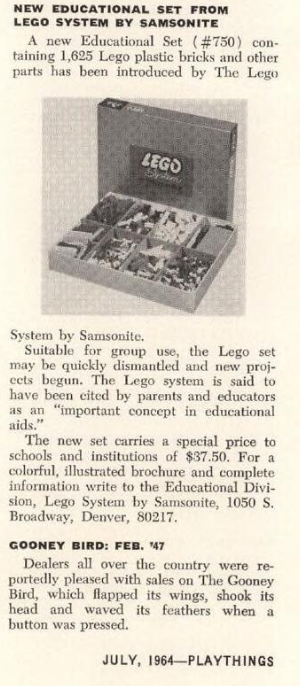
The 750 was announced for the US market in Playthings (1964), as well as considering other gathered evidence in this article.
It appeared in Canadian contests as a prize starting in 1964.
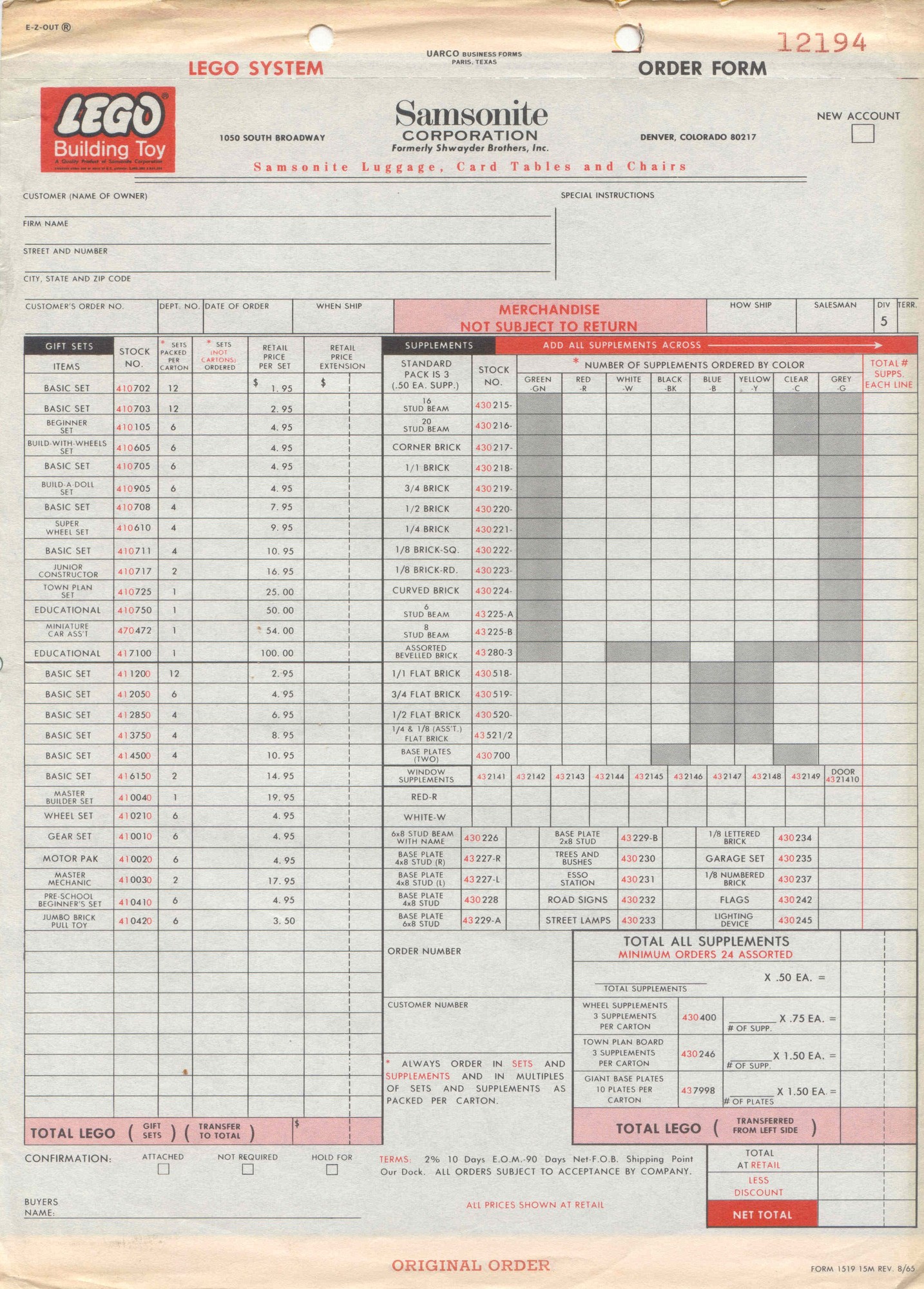
Most Likely Retirement Date: 1965 (USA)
Appears in brickfetish's mid-1965 dealer order form. Note that it possibly wasn't produced for the 1965 season, only unsold inventory, but proving production vs. inventory is difficult and mute in this case.
1966-67 (Canada)
The set took on a life of its own after 1965 in Canada as a dedicated contest prize, most likely still being distributed into 1966-67. Examples are linked below and in the article: Can We Talk About the 750 and 7100 Education Sets?
Last Year Seen Available: 1966 (Canada)
Edmonton Journal, February 1st, 1966
Aliases: Educational Set
Retail Price(s): $37.50 - $50 (USA) / $62.50 (Canada)
Rarity Score (Rarity Index): 7/7
Known Box/Packing Variants
This set has two known variants.
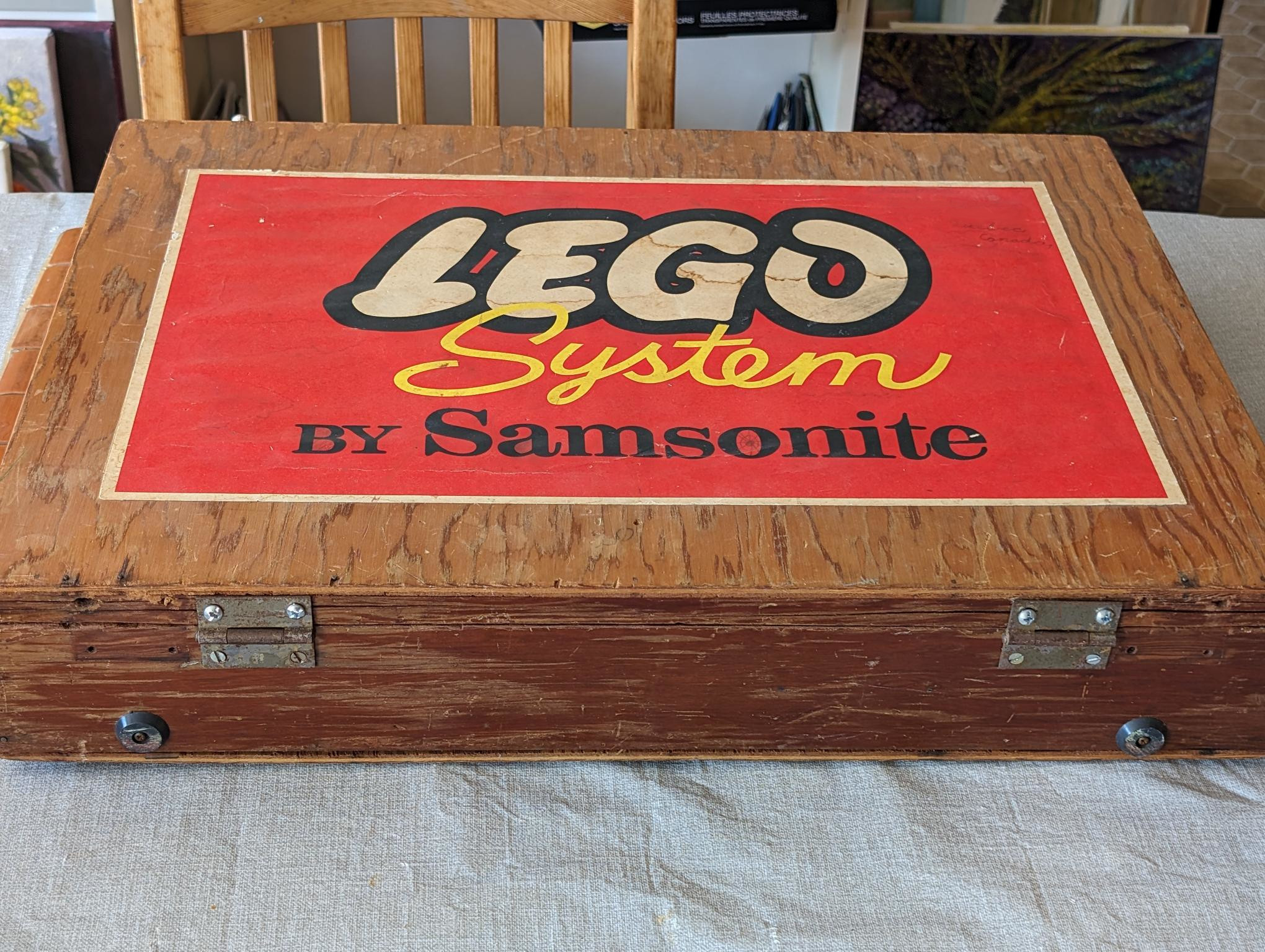
One is the wooden box version. It is a wood case in the same style as the 7100 Educational Set, just smaller. Because of the smaller size, the inner dividers are different. Only Canadian wooden box 750's are known, like the one below:
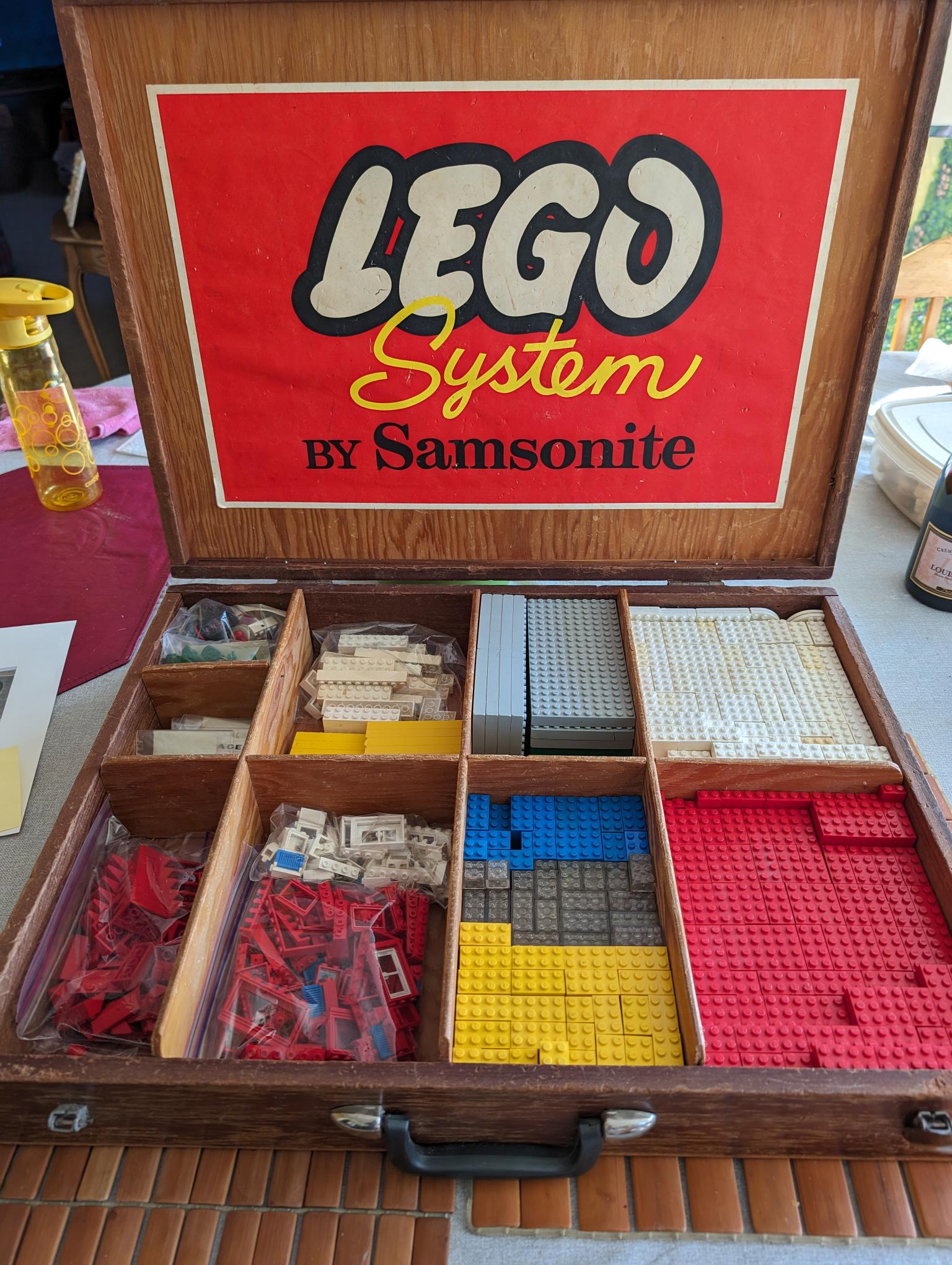
On proper examples, the sticker will be on both the inside and outside. Examples from 1966 may be missing the inner label from the factory, as seen in this 1966 newspaper. That detail corroborates a 1966 retirement of at least the wooden box in Canada.
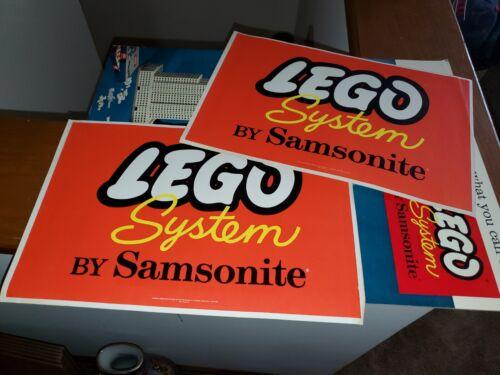
If a US wooden box 750 did exist, it would be distinguishable via the patent text on the stickers:
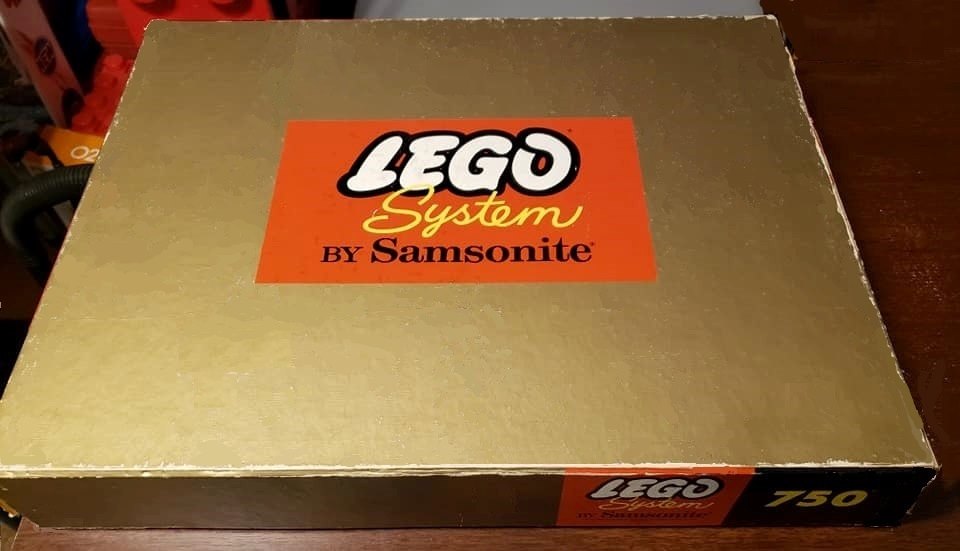
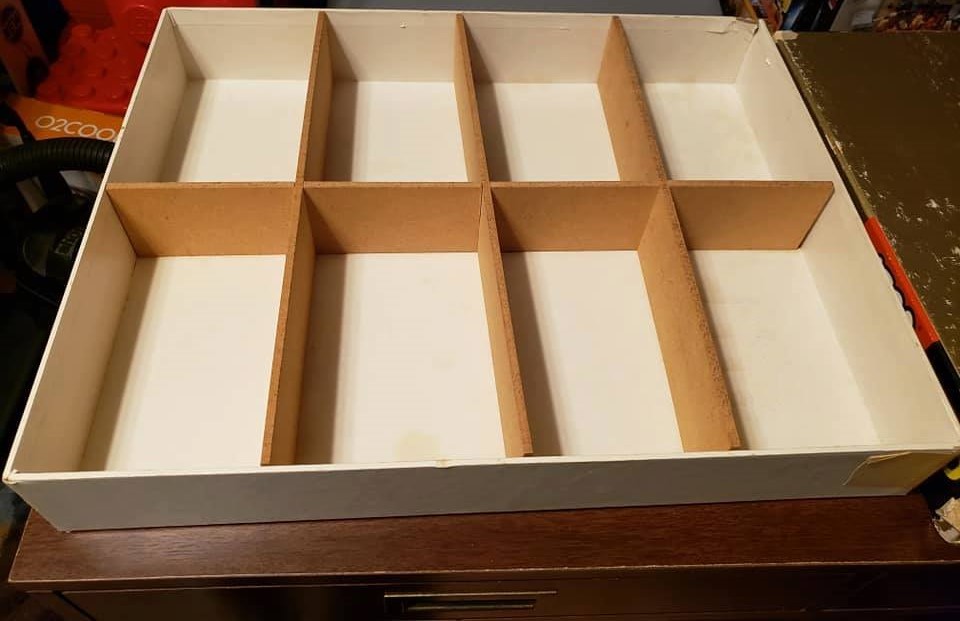
The set also has been found in a modified 717 Junior Constructor's box, which is how it was sold for the US market:
Box/Overview
Our article on the 750 & 7100 sets goes into detail about when/why this set was created. Below is a tidy summary.
As it released in 1964, my thought is that the 7100 set was not reaching the sales numbers Samsonite had hoped (or schools were buying the smaller regular retail sets instead of the 7100), so Samsonite decided to develop and release a mid-range offering for 1964: the 750 Educational Set. Which explains some oddities about its design and reuse of the retailer label for the Canadian market or the 717's box for the US market.
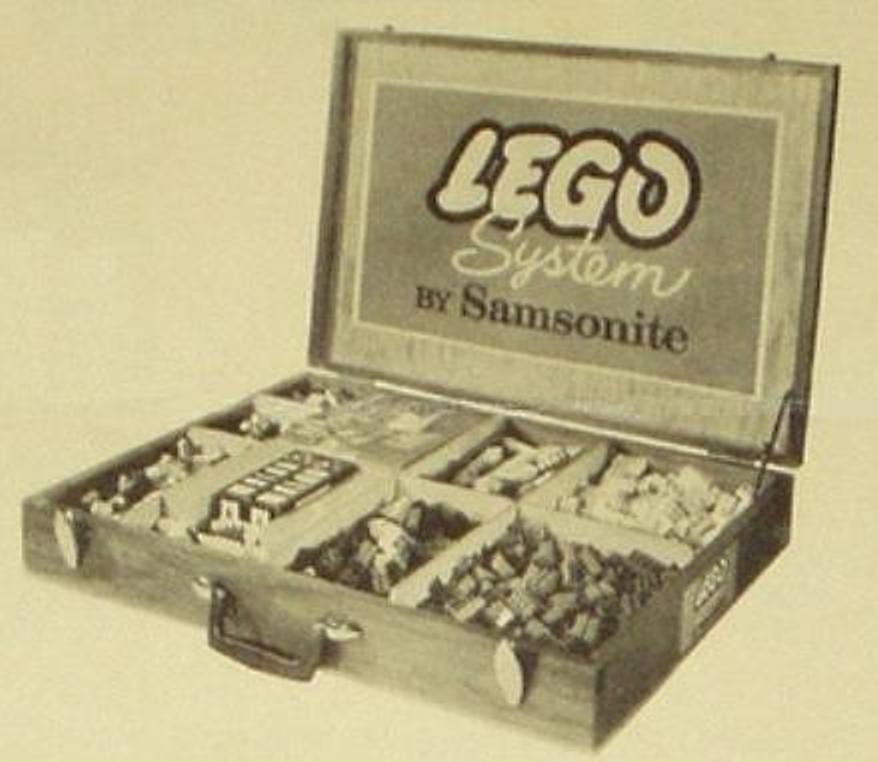
Images of the 750 were incredibly scarce, as no surviving examples were known until the last few years. This is the best image we've had for decades:
During the compilation of this site I happened upon an incidental photograph of two 750s from 1966, being awarded as contest prizes:
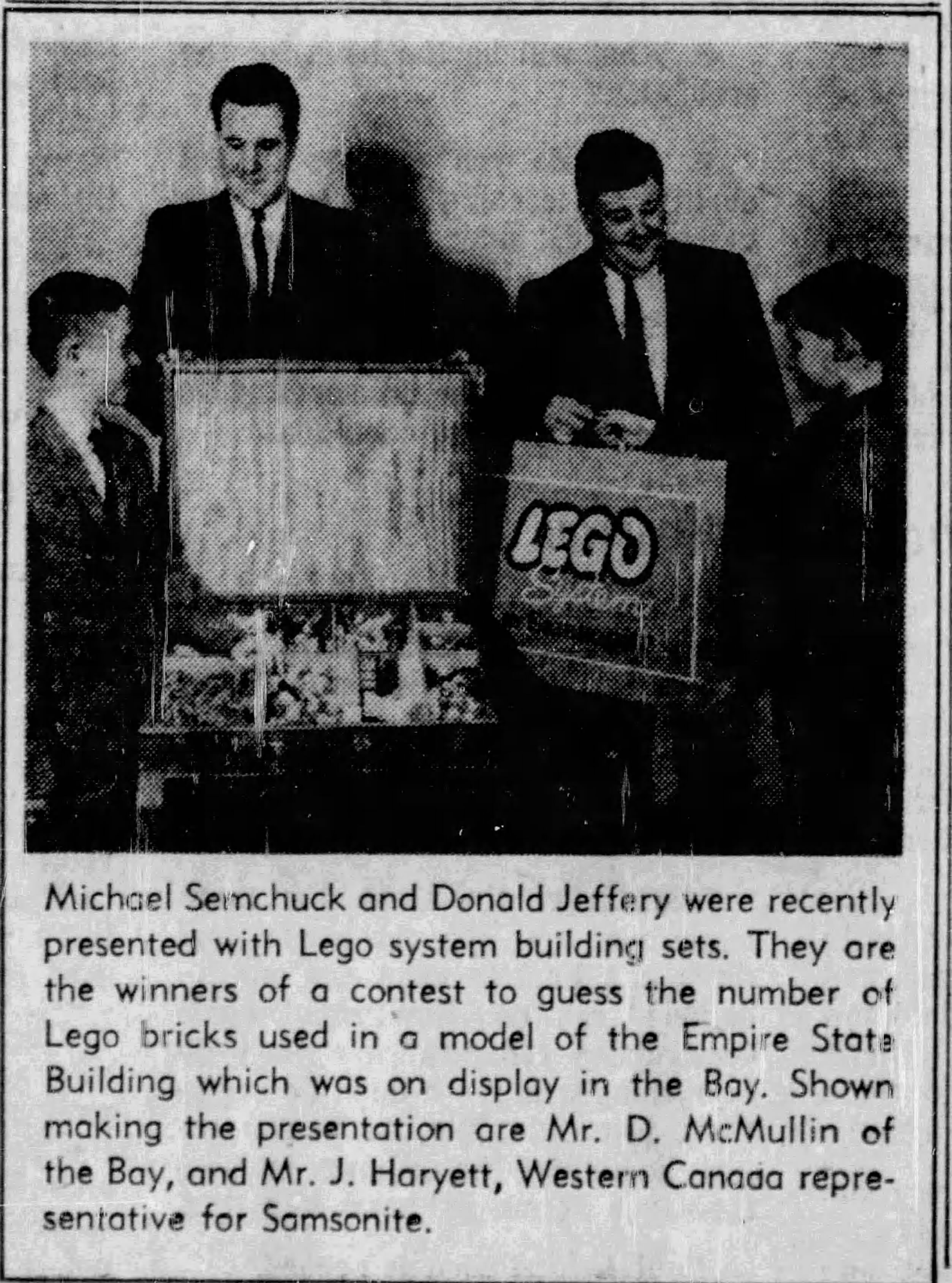
In November of 2025 however, an original owner generously provided images of their example:
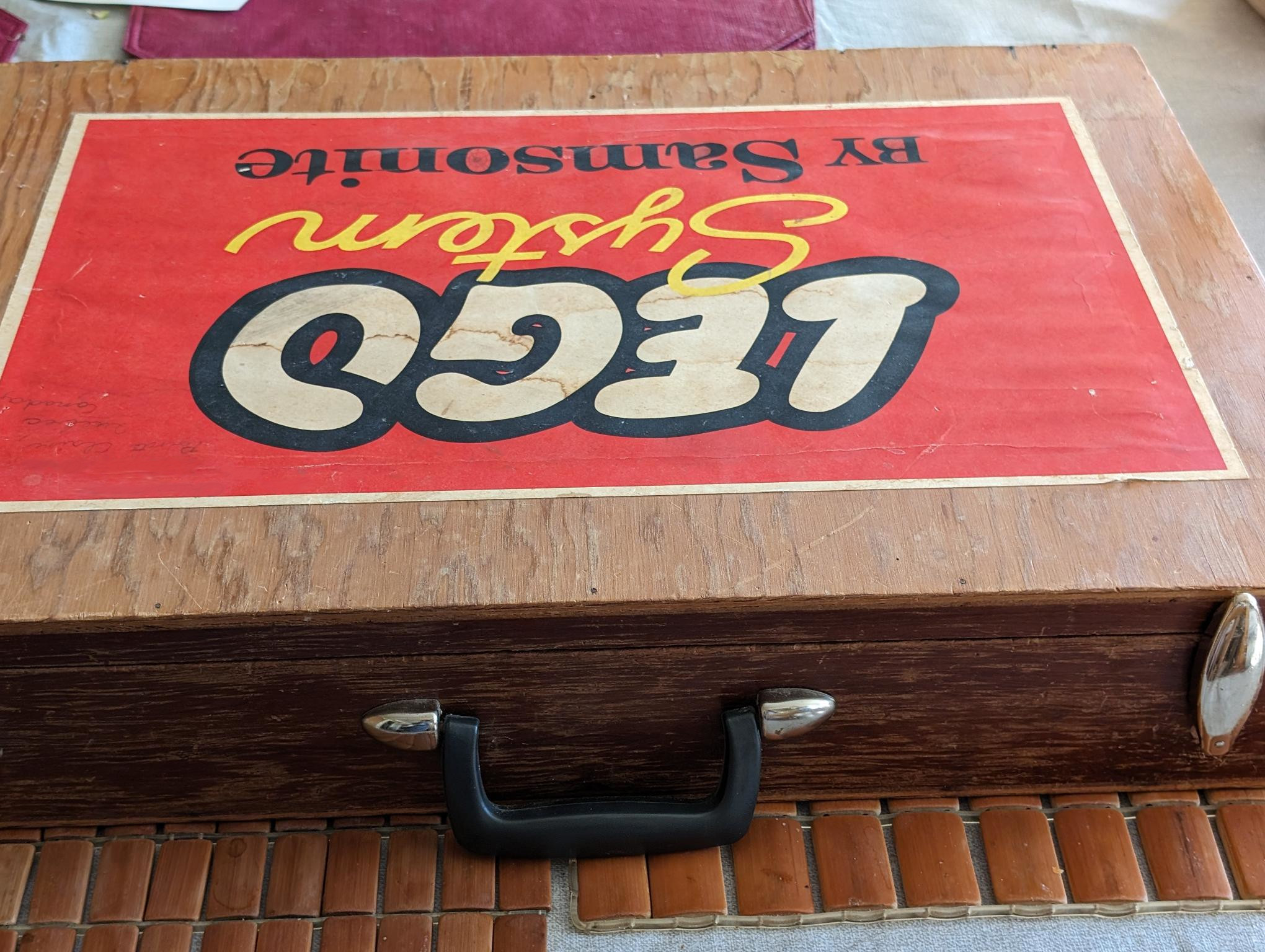
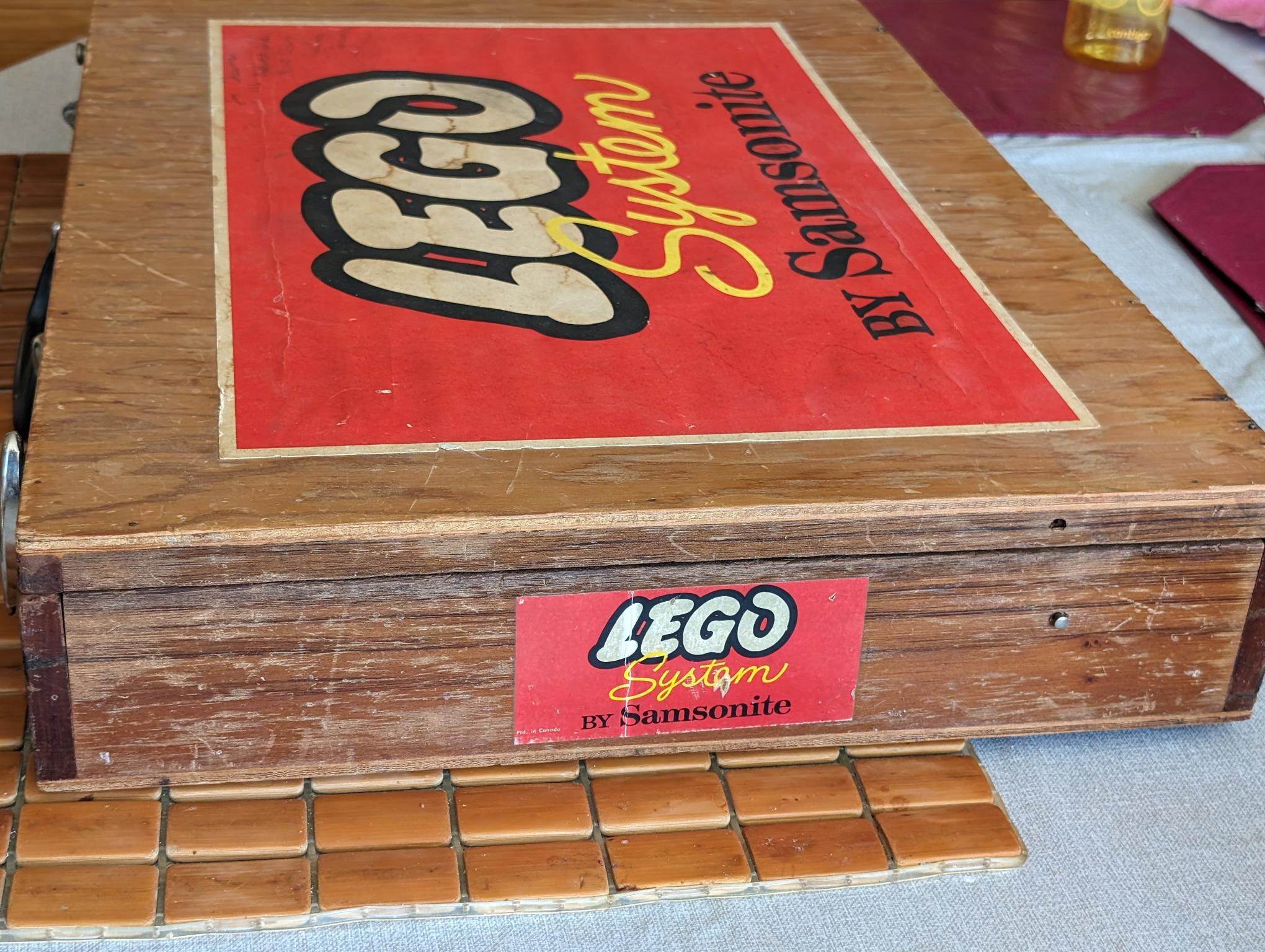
As well as dimensions (which probably should be something I put in the general information, but I digress): 24" x 18" x 4"
They also related the original story of how it was obtained and when:
"My aunt won it in an IGA grocery store TV bingo in Barrie Ontario in 1964. She...gave it to me for Christmas 1964. I am sure of the date because we moved...in the summer of 1965. My father made a stop time home movie of us building a house with the set the Christmas I got it."
They also shared the video, which I'm almost certain is the oldest surviving LEGO brickfilm by a fan (as there is at least one official LEGO advert from 1960-61 that uses the same technique), or at least the oldest known (Christmas 1964). The site does not currently store videos, but I will embed it here when it is implemented.
The US version, based on the 1964 article linked above as well as the box itself, came in a simple box. I had a theory about this box originally, but it turns out this was just the US market being different:
It should also be noted that there is no evidence of Samsonite of Canada ever marketing the 750 as an educational set. Nor even really any evidence of them ever selling the adjacent 7100 Educational Set. So two markets, two different purposes.
The 750 does not appear to have done much better than the 7100, as when the refreshed line of educational sets released in 1967 (i.e. the 321 School Set), they were released at a fraction of the cost. The marketing direction also shifted, moving away from selling institutions as a whole and instead focused on teachers themselves, as classroom budgets were much tighter but they would've been more plentiful customers. Just my idea, based on what I've seen/know.
Contents
Note that the following image contains some extras that aren't original to the set, i.e. the 1x3x4 doors, shutters, 3x4x1 33 slopes, etc. The owner has since taken the time to sort out the later pieces and has counted roughly 1,500 original pieces, which is very likely close to the original piece count:
It seems to have just had a basic spread of basic bricks. What I suspect, however, having just come from writing Was There a System to Determine a LEGO Set's Inventory? (1961-64), is that this set follows a system as well. But before I claim whether or not it actually did, I'd want an accurate inventory of a 7100. And that's probably never going to be available to us. But I do think the high number of blue/yellow elements are telling, as the 7100 also had an unusually high number of them.
There is one element in the images that didn't come with the above example: two 50c supplemental boxes.
As the 7100 isn't known to have used the supplemental boxes for town plan accessories, they are not likely to be those. Instead, if I had to guess, they may be lighting kits. I'm confident in some sort of supplement's inclusion, as in all contemporary images we have of the 750's contents, it shows the supplemental box:
But this is not seen in the US version.
Historical Examples
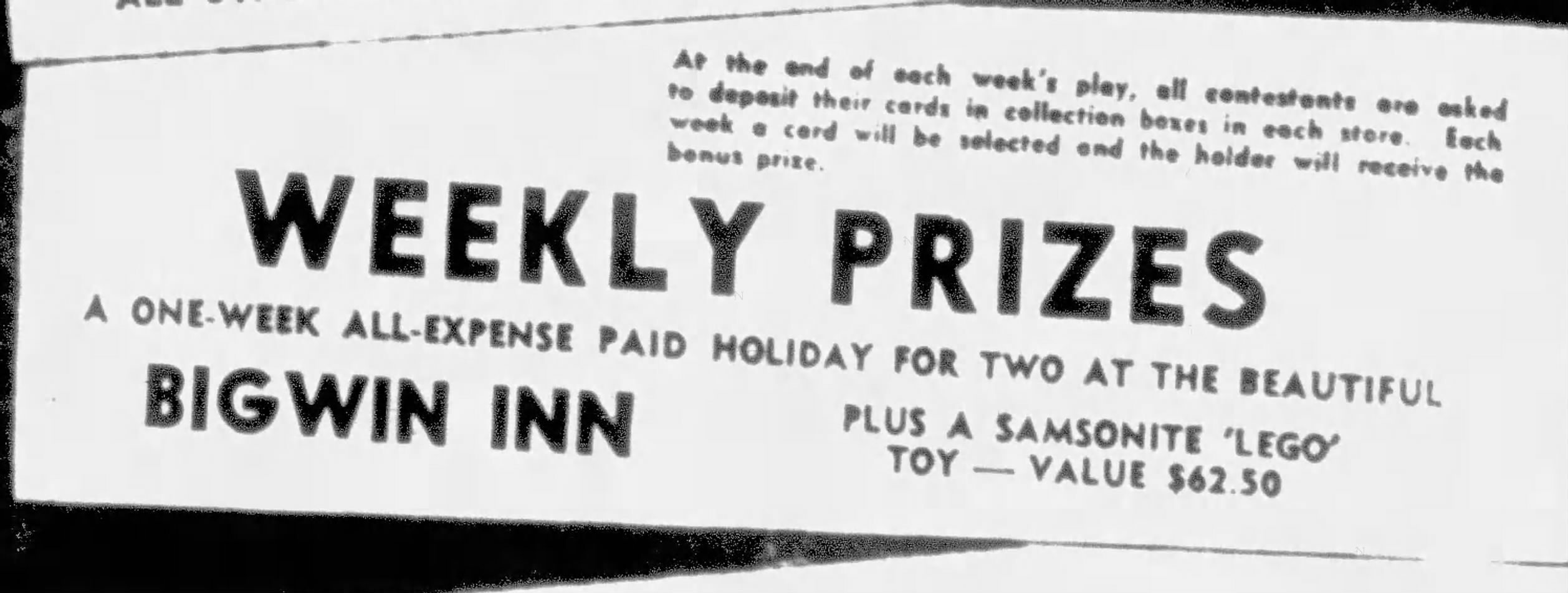
The 750 set began to be used as a contest prize in Canada for several local contests in 1964. This one is similar to the one the original owner reported above:
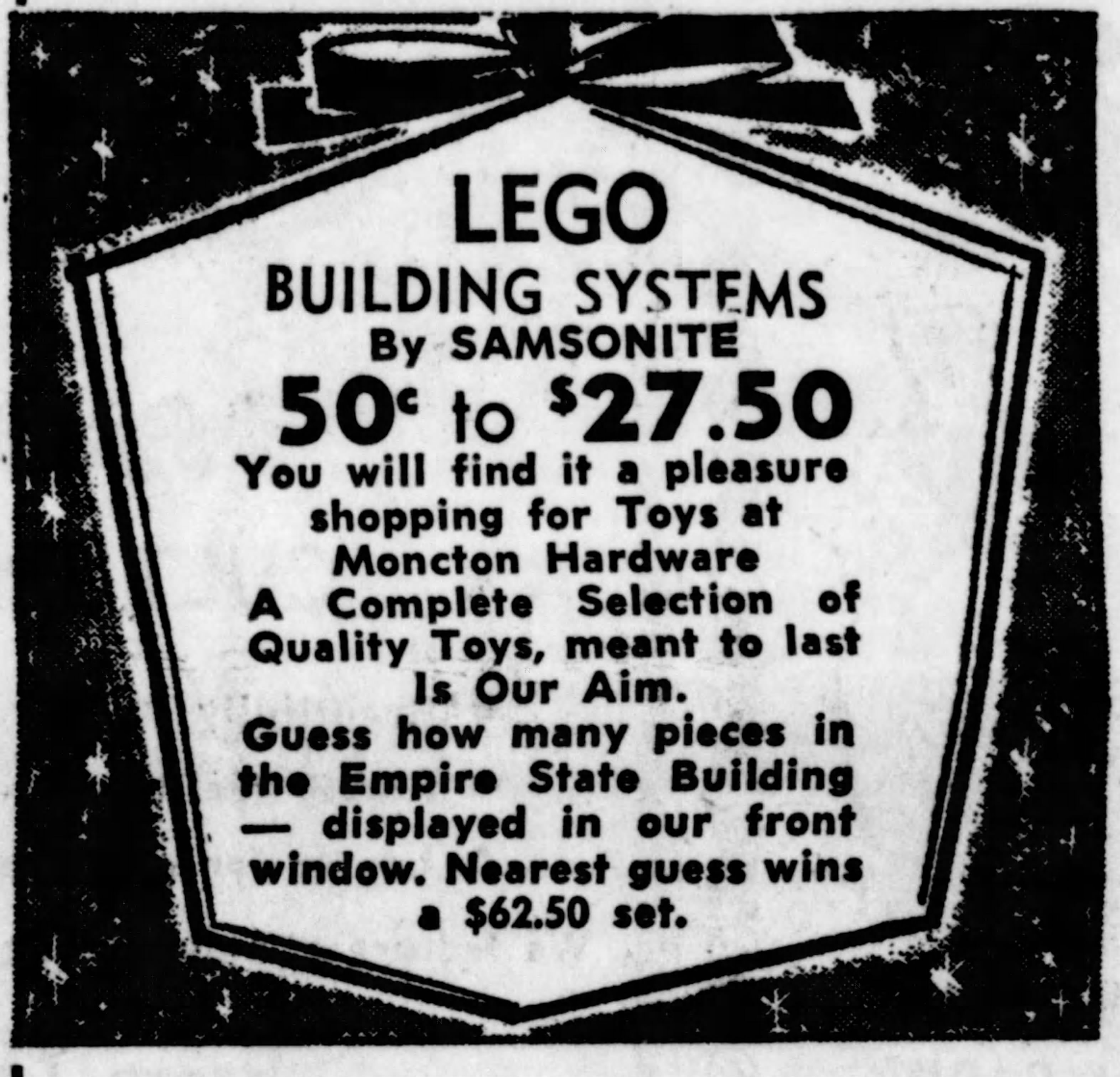
Then again in 1965 as a "guess the number of blocks" contest that was popular with Samsonite displays through late 1963 into 1965:
The contest prize approach continued in Canada into 1966, as can be seen by a brochure for the Junior Designers Club.