
Samsonite Loveland Plant (1965-1972)

The original architectural drawing for Samsonite's LEGO plant in Loveland Colorado, drawn by Robert M. Morris in 1964. Image source: Denver Central Library
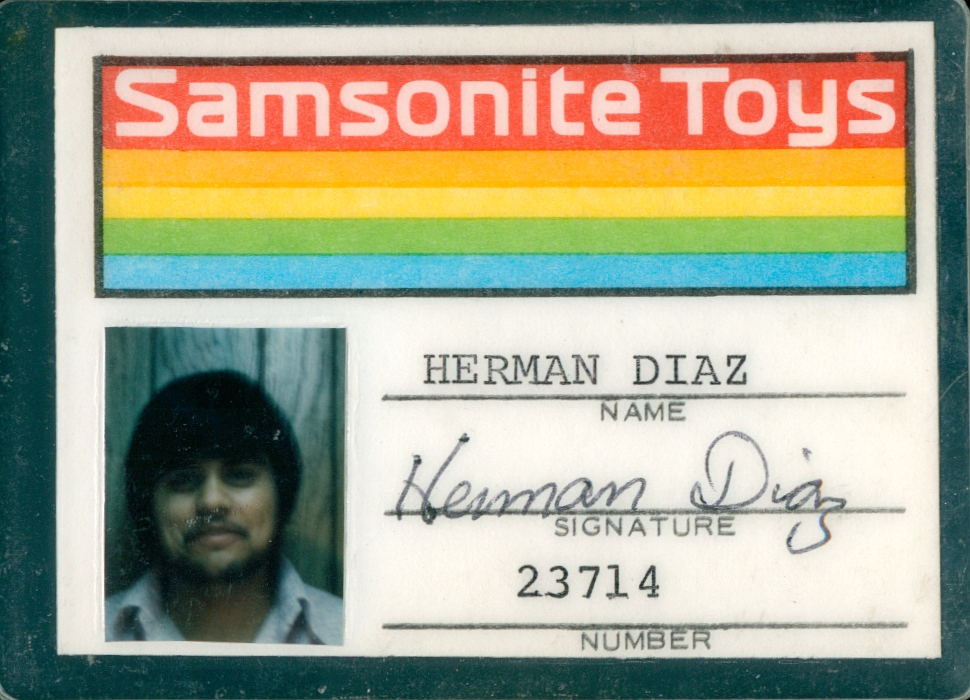
A Loveland ID badge, used from 1972-73.
General Information
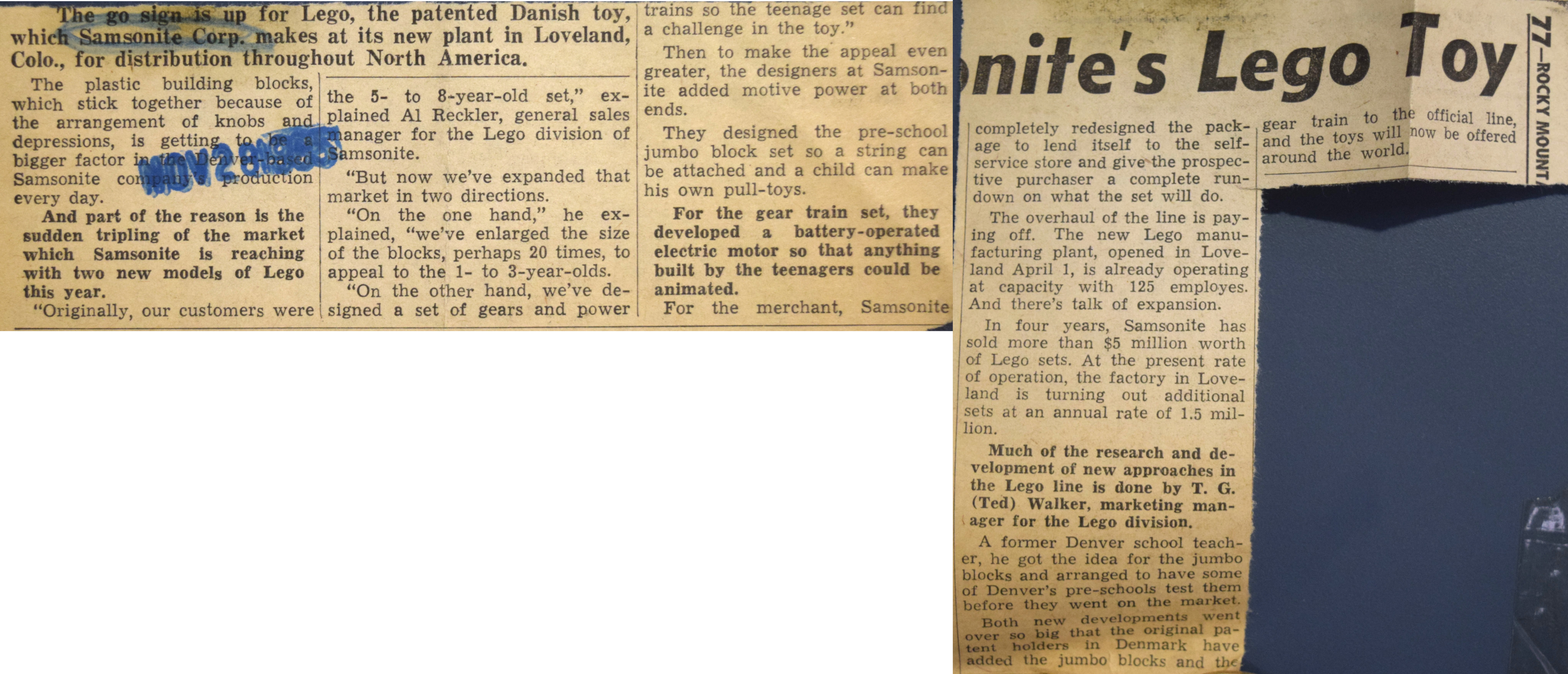
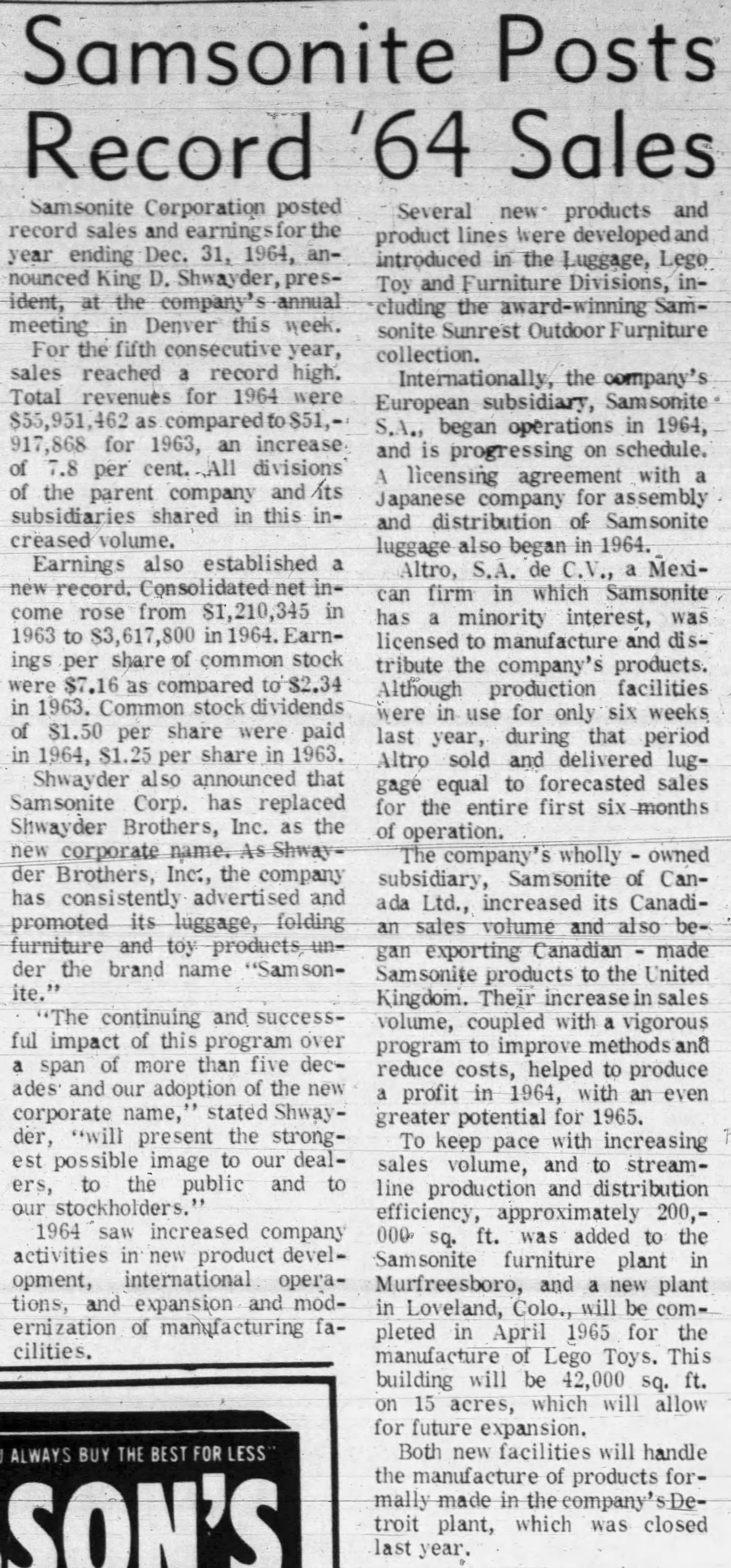
The Samsonite plant in Loveland, Colorado was initially constructed in early 1965, dedicated to the production of LEGO toys for the United States. It operated under Samsonite's LEGO division from 1965-68, after which it rebranded to simply the toy divison. Prior, from 1961 to 1965, production of LEGO for North America was carried out through Stratford, Ontario. Packaging and shipping for US LEGO during that period used Samsonite's Detroit plant, which closed in 1964.
In April of 1967, 'LoveLand' was first used by Samsonite Corporation, originally intended to signify a brand of toys similar to how 'LEGO' was used. The name debuted with the LoveLand Block Wagon in 1967.
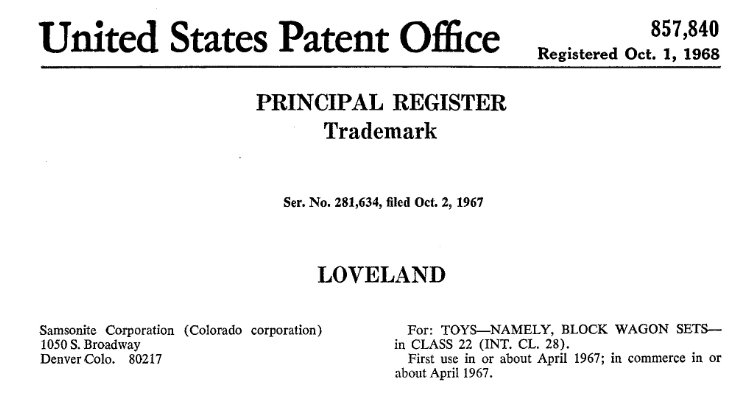
The Loveland plant was expanded several times starting in late 1966. Not only was Samsonite's line of LEGO sets expanding with new Model Maker sets, a completely redesigned and expanded Sears exclusive line, as well as two new institutional sets, but they also began designing their own toys for the preschooler demographic. They also acquired Manning Manufacturing Corporation and used Loveland to produce their product family of roller and ice skates starting in 1969.
Following a net loss for the toy division in 1971, all lines were completely redesigned and expanded in a last-ditch effort to save the toy division. The effort lead to the end of the LEGO licensure, and failed across the board. The plant announced its closure in December of 1972 with an unclear future for the facility.
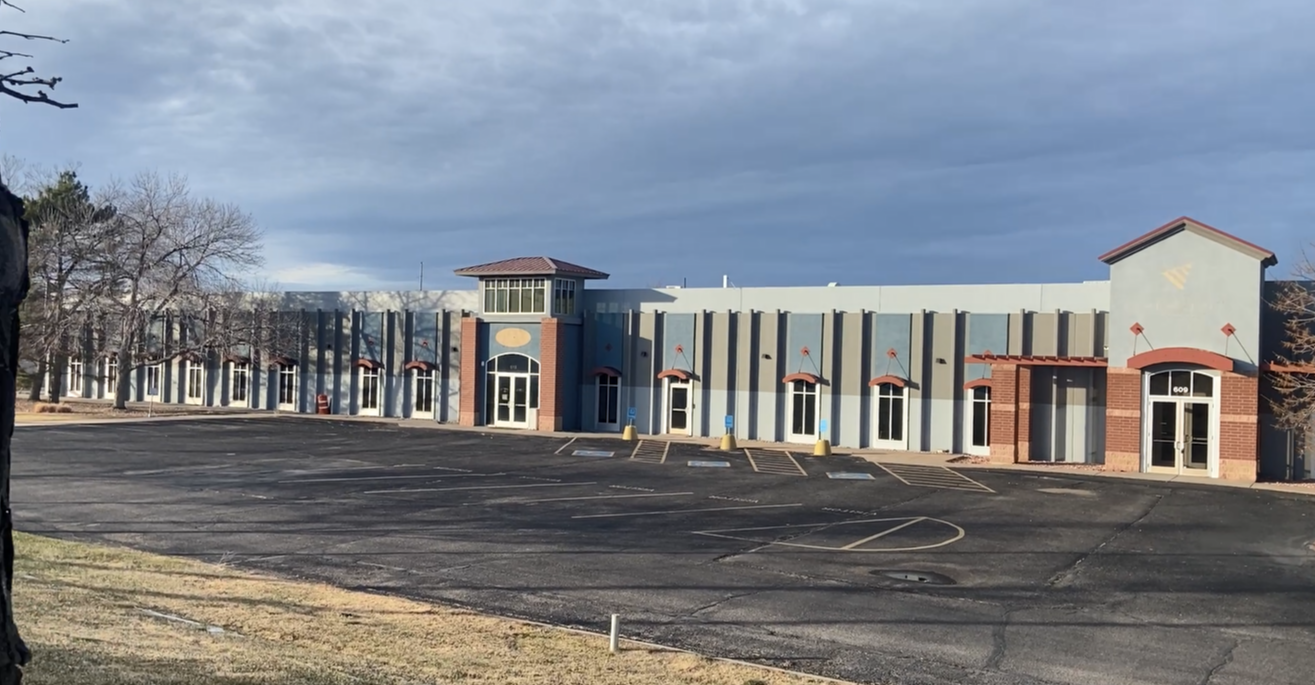
In 1975, it was sold to Teledyne. I has had many other tenants since then, below is how it appeared during my trip there in early 2026.
Initial Stats
Architect: Robert M. Morris

Robert had designed several buildings for Samsonite previously. With Loveland, Robert's son has also reported to have been involved.
Opened: April 1st, 1965
Address: 609 SW 14th St. Loveland, Colorado
Reported number of employees: 125
Square Footage: 42,000 square foot (sometimes seen in media rounded down to 40,000 or up to 50,000 sqft)
Projected annual sales output: $1.5 million
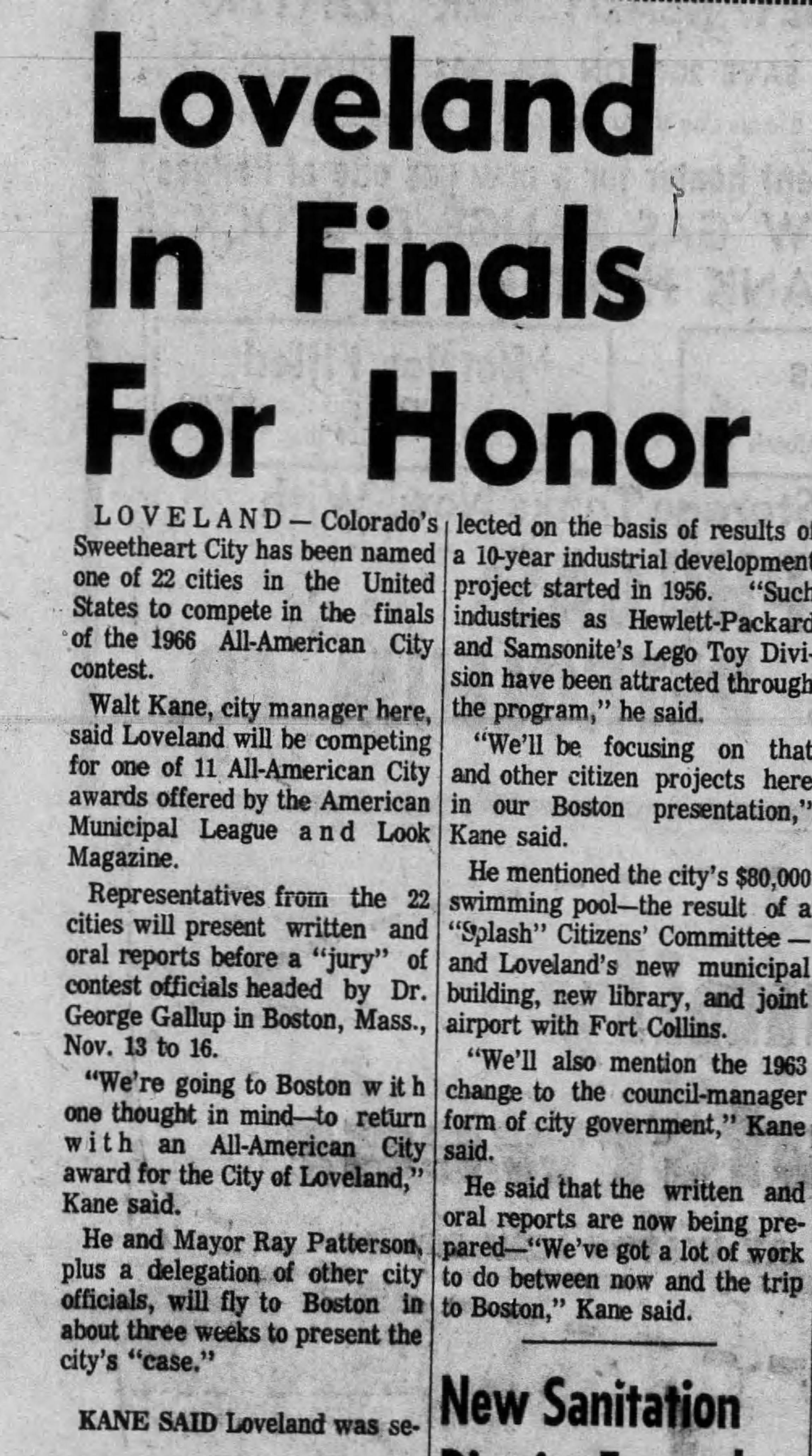
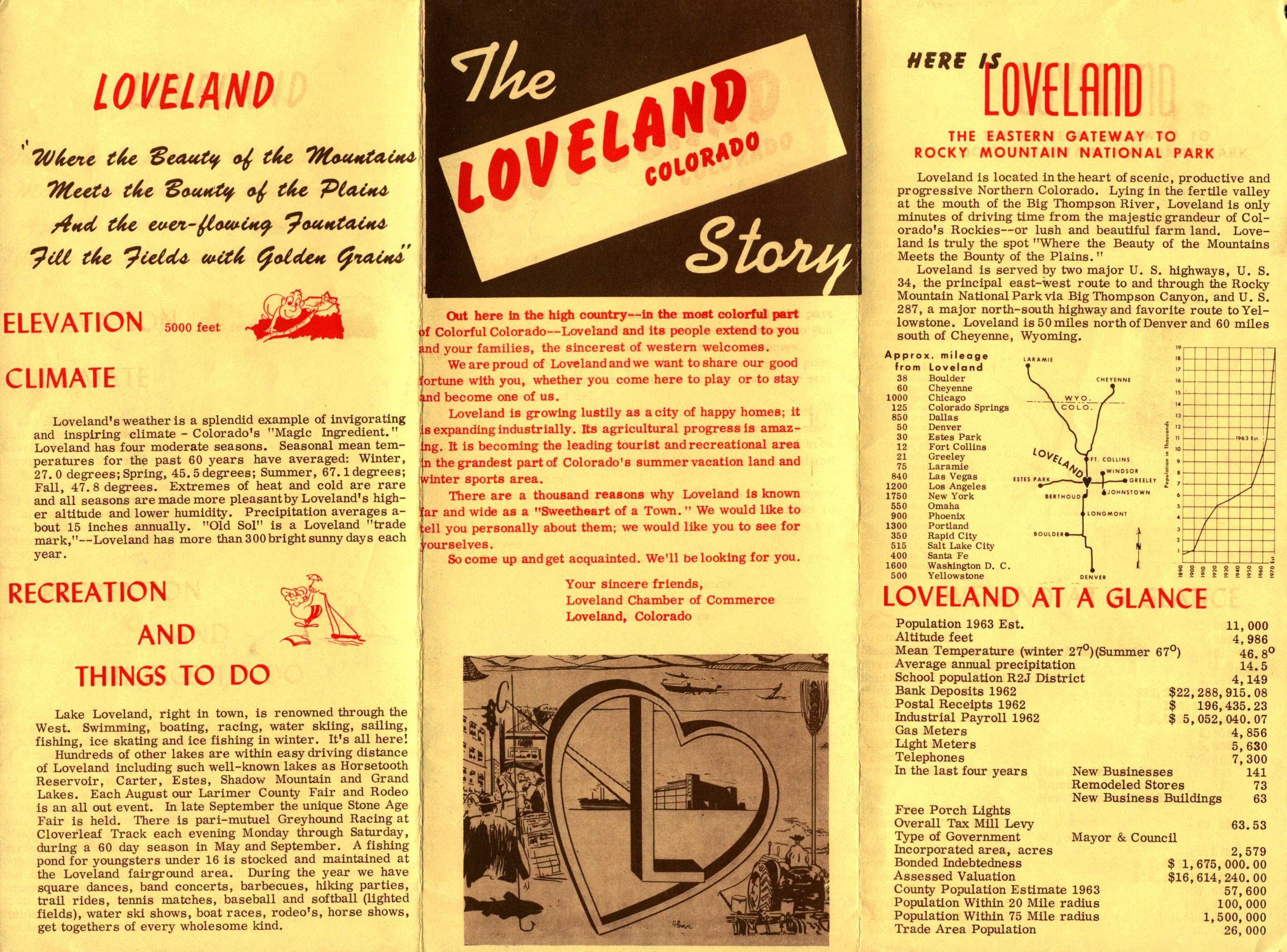
In 1956 Loveland started a ten year industrial development program, interested in economic expansion. By 1962, their industrial payroll exceeded $5,000,000 and their population had increased by 43%, with projections to nearly double by 1970. That economic boom, coupled with big names like Hewlett-Packard in Loveland in 1960 as well as its convenient location near Fort Collins and Denver, was likely what originally attracted Samsonite.
As a demonstrative model during construction, Samsonite had made a scale model of the Loveland factory using LEGO bricks, which was used in promotional materials and events before the completion of the project. Here, in the below press photo from the Denver Central Library, the model is being shown to Loveland Mayor Ray Patterson by King D. Shwayder:

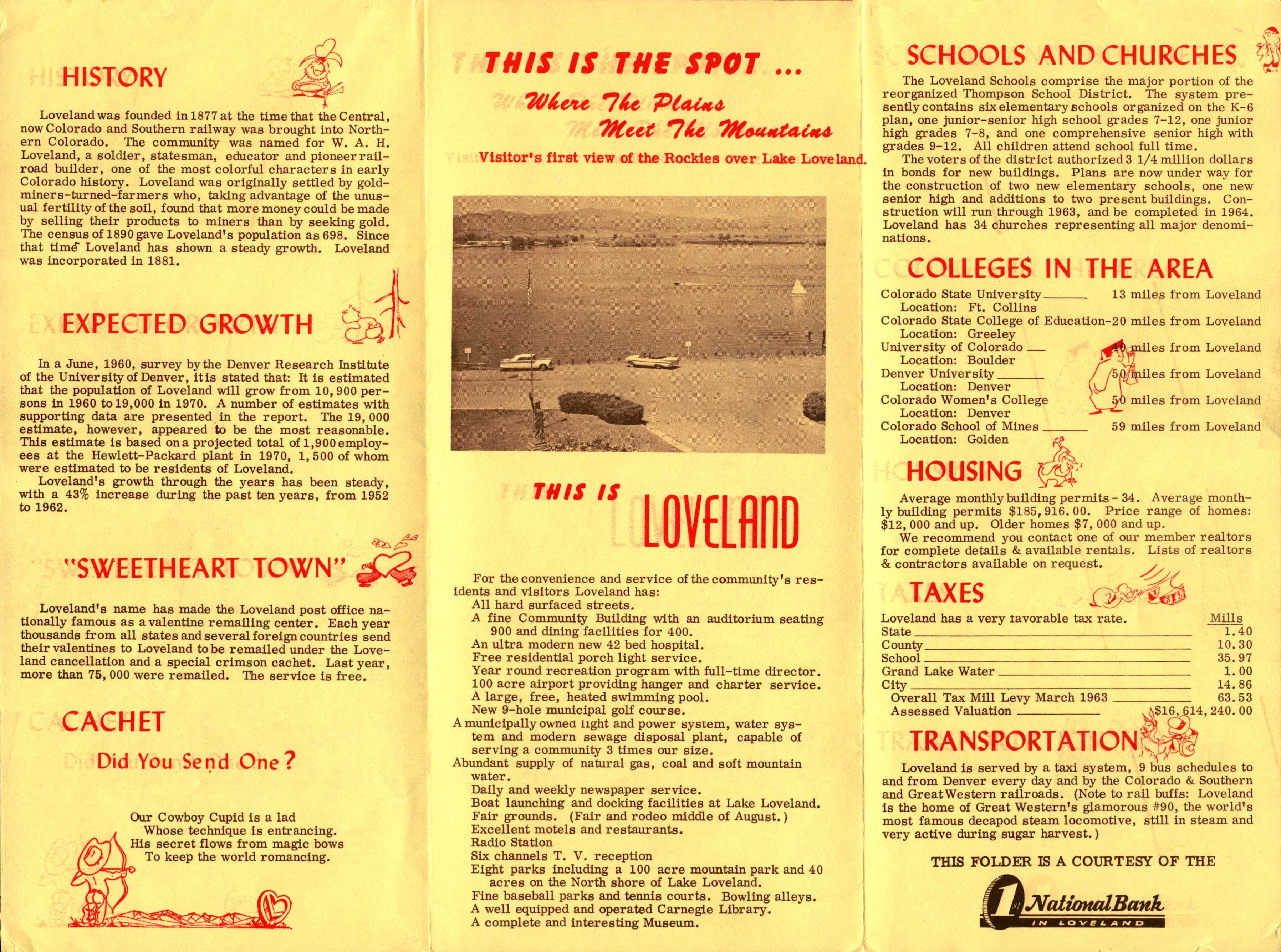
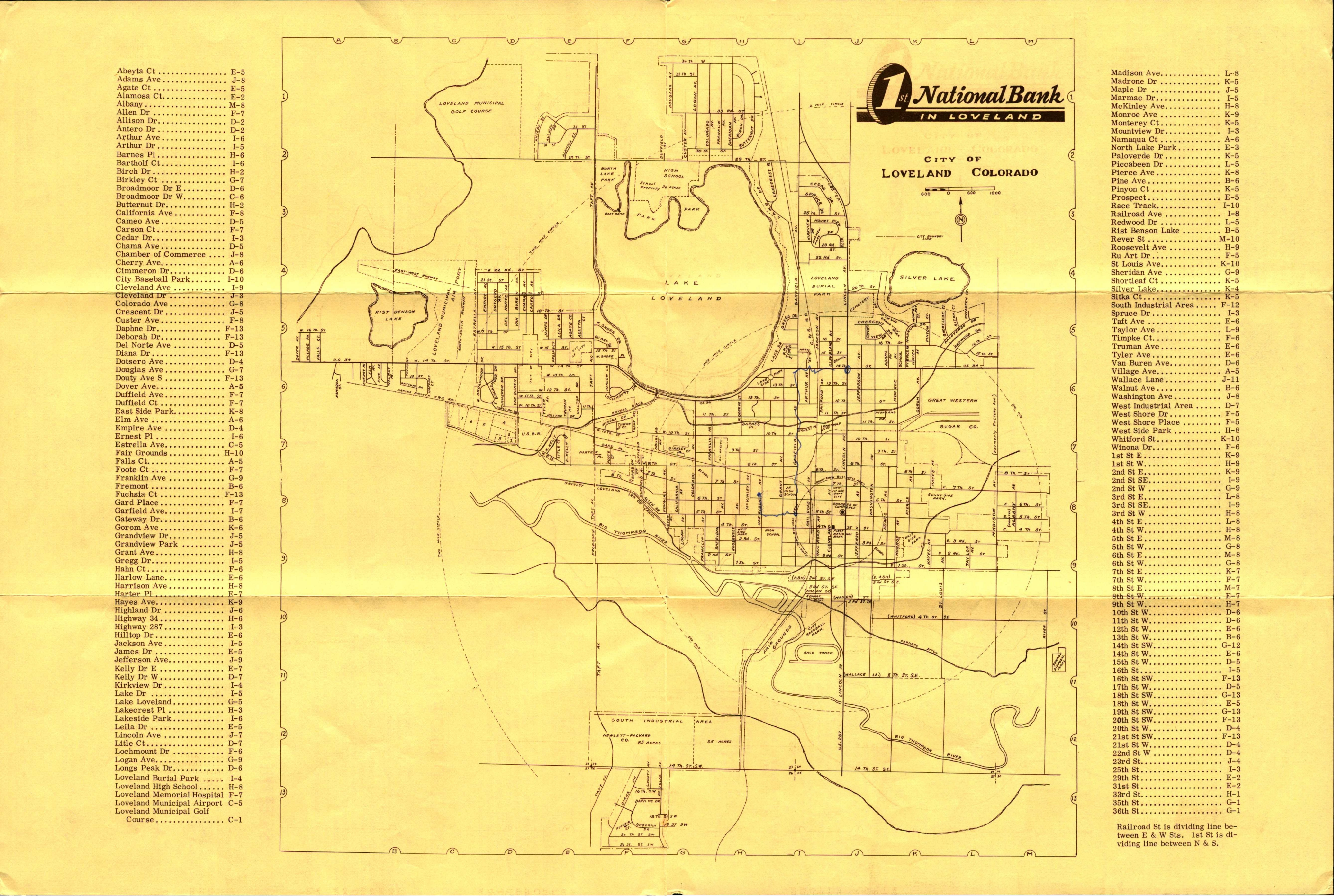
You can view the empty lot the Loveland plant was built upon via this 1963 map of Loveland. It is located directly south of Lake Loveland, in the South Industrial District. Note that the lot is 35 acres, but Samsonite only developed 15 acres initially. It is very likely this was deliberate, as there was already talk of expansion in late 1965.

Also note that while not present on the architectural drawing or the above model, large LEGO bricks were mounted above the windows. They are first mentioned in Volume 47 of Progressive Architecture (1966) and were likely present when the building was first constructed. Those bricks remained on the front facade for decades after Samsonite had left, only having been recently removed and replaced with generic awnings (reportedly in the 2010s).
Expansions
If you view the plant in person, as it exists today, each of Samsonite's expansions are quite obvious. To my knowledge, only the outer facade of the building and the inner layout has changed. No further expansions or large modifications have occurred, at least not to date.
Each expansion extended the back of the building. Because the west side of the property is an extremely steep hill, the expansions could only continue north. Even today, in 2026, the west side of the property sits empty.
In the design of the building, according to a 1966 construction magazine, the plant deliberately used concrete supports that could easily be moved/reconfigured to accommodate expansions in several directions.
1966 Expansion:
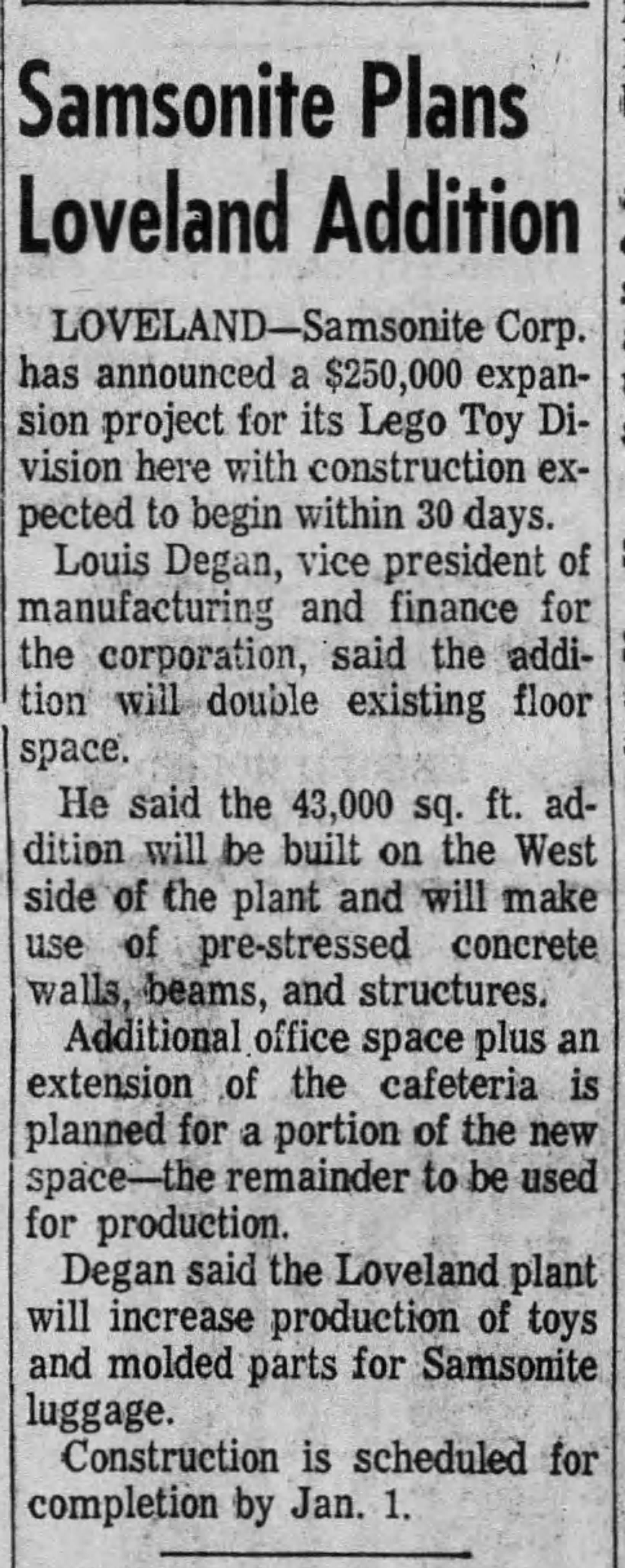
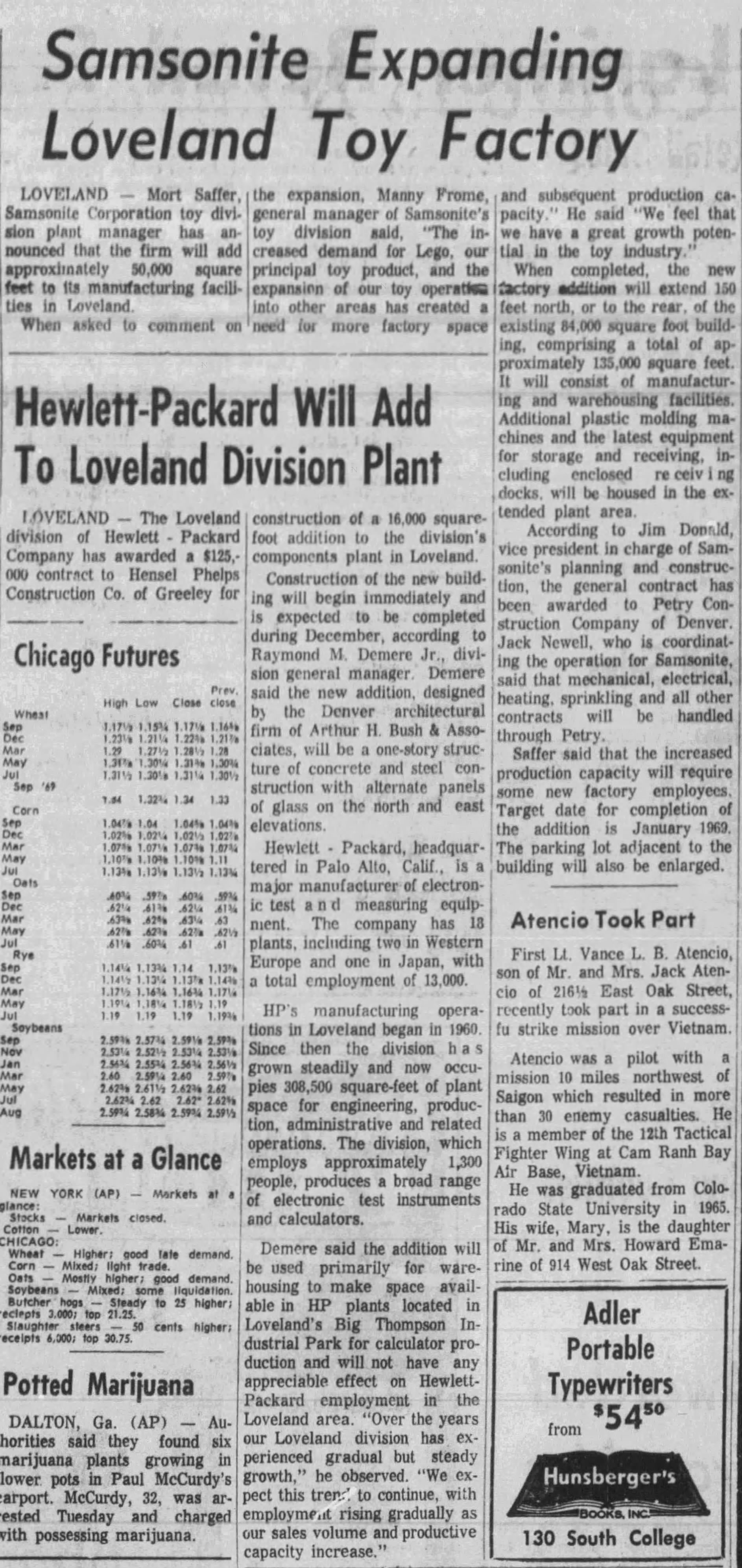
The first expansion of the plant was announced in September 1966, with a planned completion date of January 1st of 1967. It reportedly doubled square footage, adding an additional 43,000sqft onto the preexisting builing, and cost $250,000.
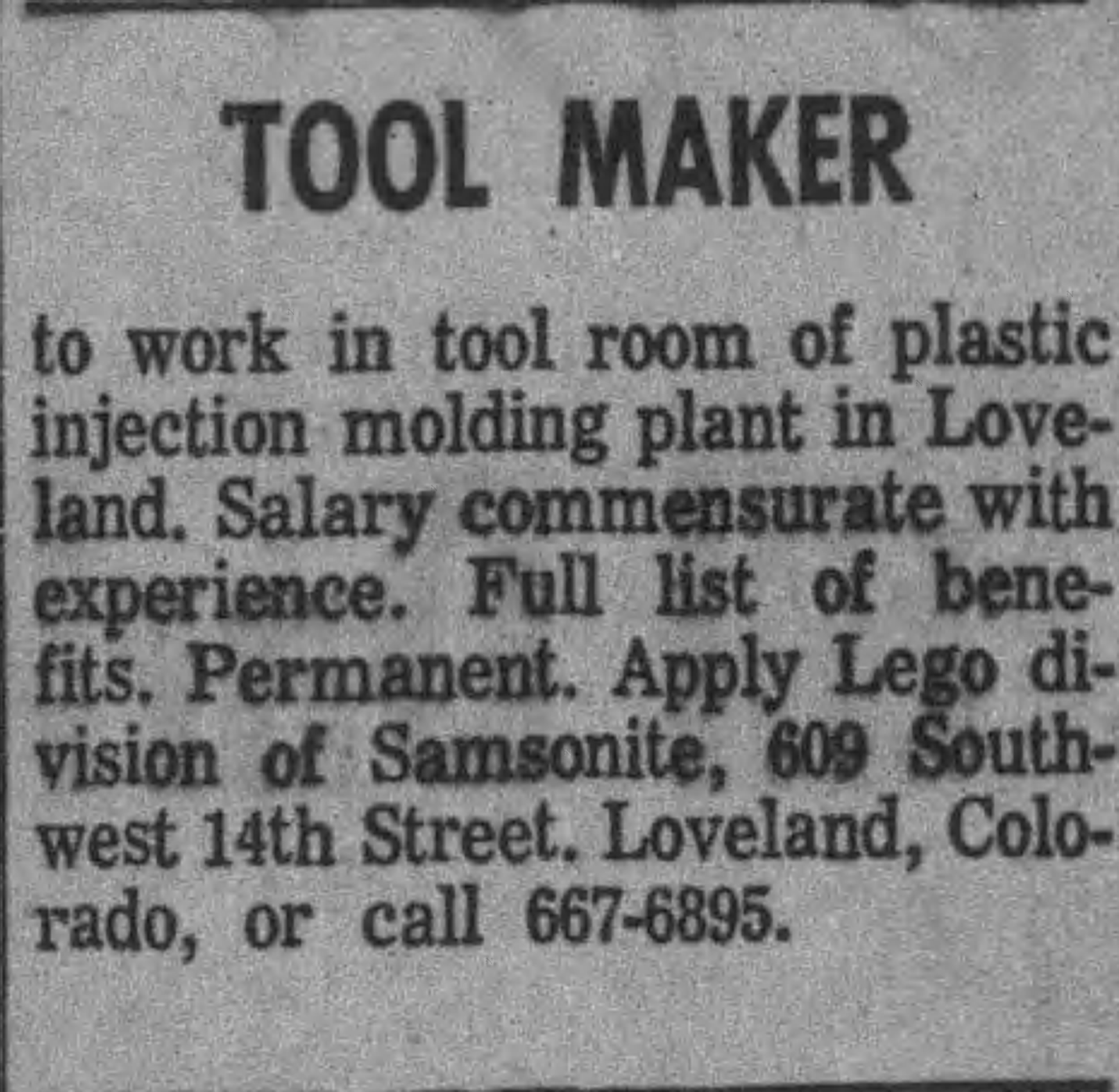
Samsonite began posting job listings for injection mold tool makers around 1967, coinciding with their push to enter the preschooler toy market with their own toys marketed under LoveLand. Samsonite's new foray likely influenced the decision to expand the toy plant, but it was not alone. 1967 was also the season in which LEGO Model Makers, the LEGO train system, a line of refreshed/expanded retailer exclusives, and LEGO institutional sets were introduced.

1968 Expansion
In late 1968, Samsonite acquired Manning Manufacturing Corporation, then one of the largest manufacturers of plastic rolling and ice skates. With this, all Manning products were then to be produced in Loveland, meaning yet another expansion was in order.
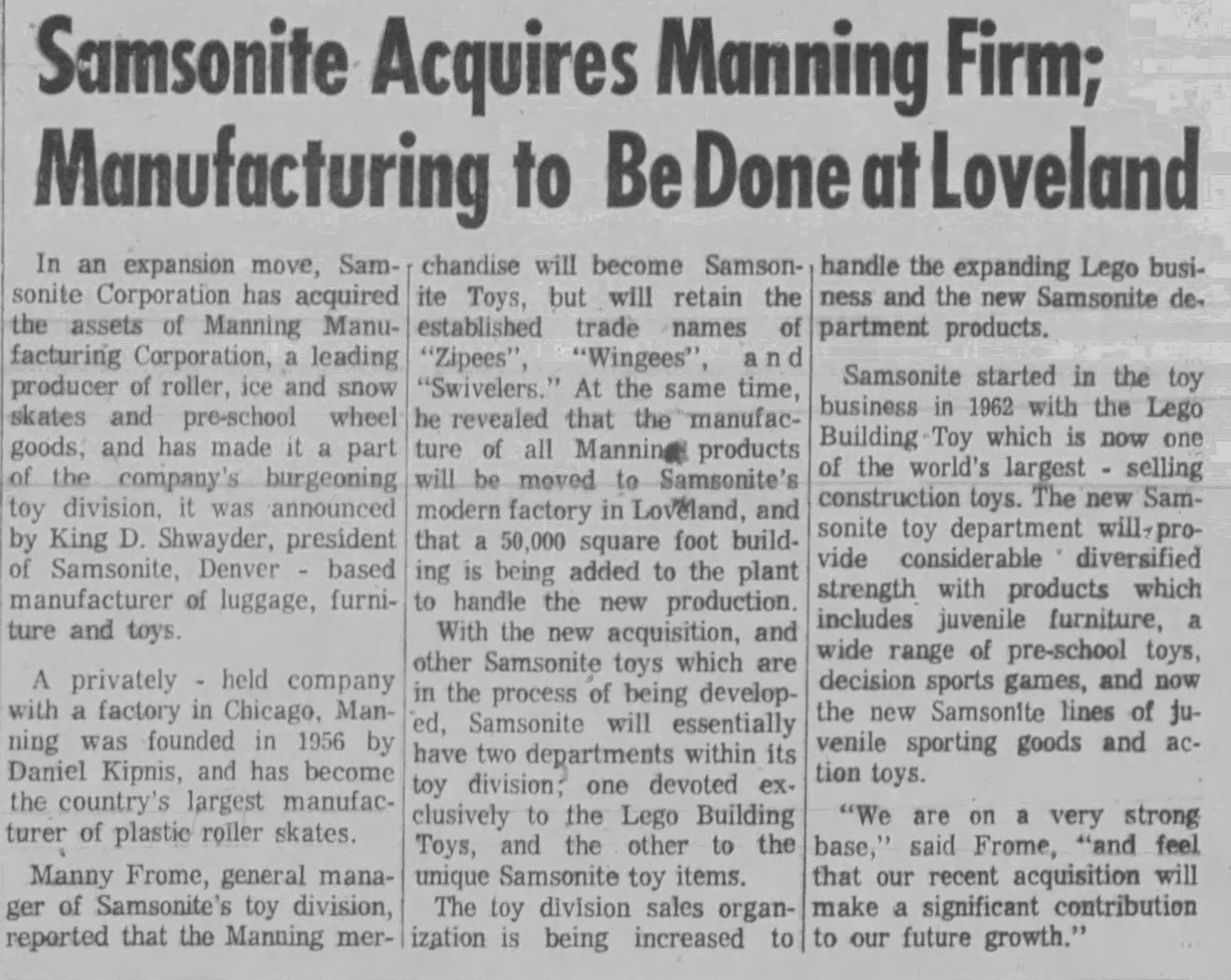
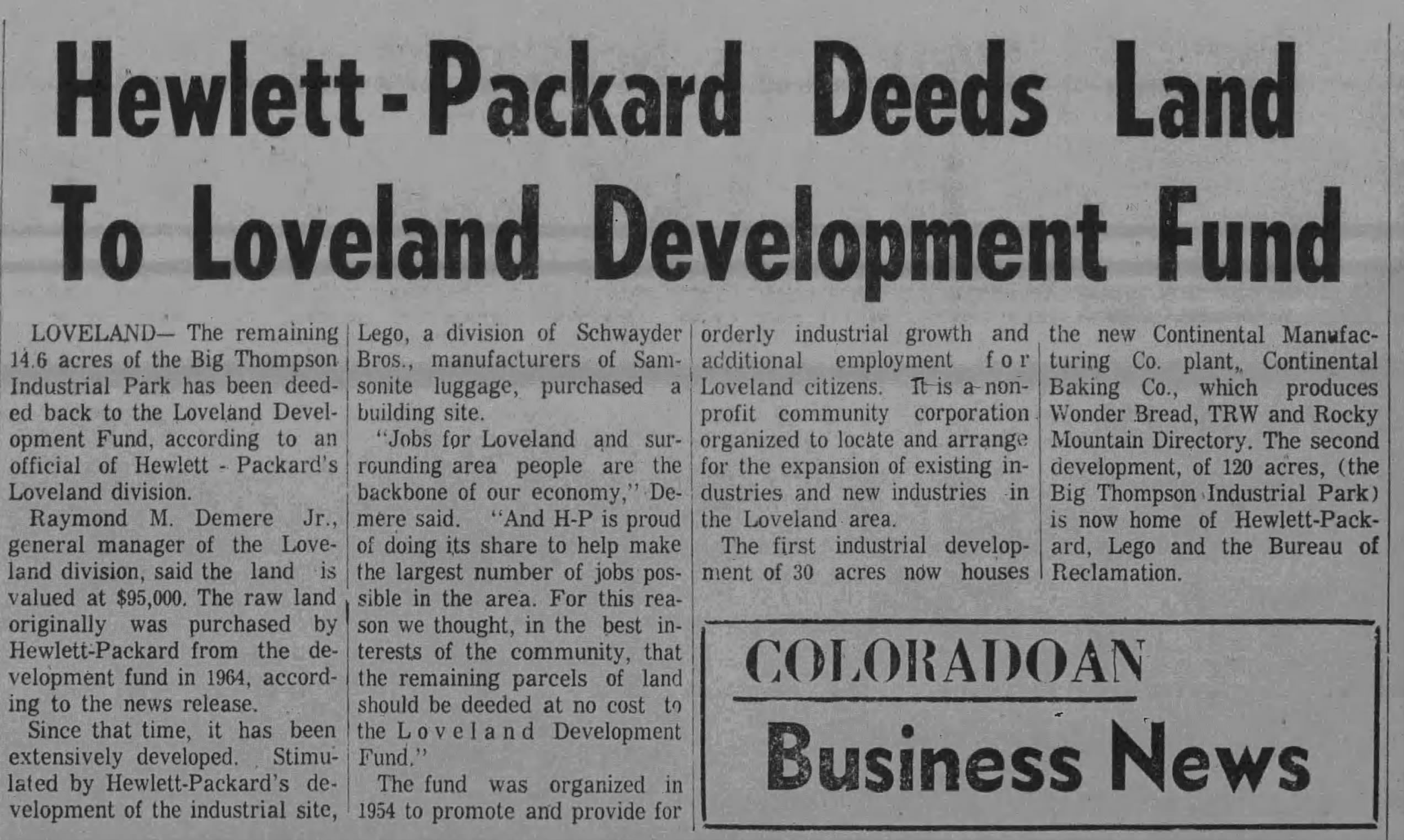
Similar to before, the announcement was in September of 1968 and slated for completion in January of 1969. The addition would bring the total square footage of the building to 135,000sqft. These expansions were at least partially funded via the Loveland Development Fund and created several new jobs for Loveland. Similarly, Hewlett Packard was expanding their facility 20% per year during this time.

Plant Closure
Suddenly, in December of 1972, it was announced that Samsonite would no longer produce toys and that the LEGO license would be turned over to Interlego AG of Switzerland. But obviously, this did not come from nowhere, and the dominoes had started falling following the devastating 1971 net loss reported by the toy division.

If you wish to learn more, this article goes far in depth as to Why did US Samsonite lose the LEGO license?
Originally, the plant's future was unclear and the plant did not immediately close. In February of 1973, it was announced that Samsonite had sold its (non-LEGO) toy lines to Gabriel, a prominent toy manufacturer of the time. As part of the agreement, stalling to try and find a buyer for the Loveland plant and its workforce as a package deal, Samsonite continued to produce their toys over several months during the ownership transferring process.
And then... nothing. Nothing was heard.
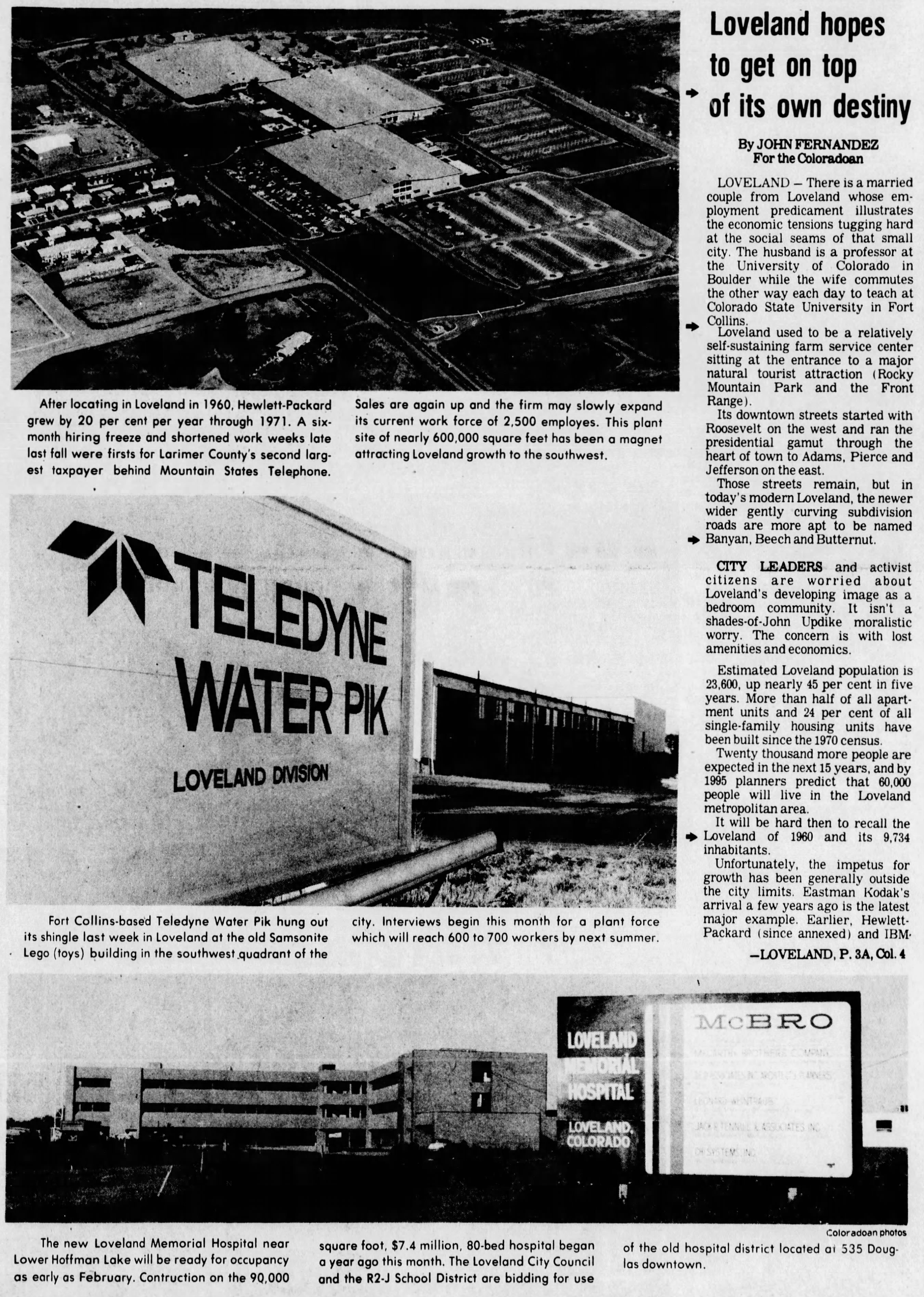
Until 1975, when it was finally announced that Teledyne had purchased the original plant, though by this time the original workforce was gone. Under the new ownership, while Teledyne was renovating the plant, it was announced that the plant would employ 600-700 workers.

In the decades since, after Teledyne had left the Loveland plant, the building was divided into several parts and leased to several different companies.