
Tons of New Additions! (03/30/2026)
___
Coming up on the one year anniversary for the site, April 20th, I wanted to take a moment to show some amazing finds that have recently been archived and are now readily accessible. It's been said many times, but when this project first started, I hadn't expected so much progress and discussion. It's been an absolute joy seeing so much come together.
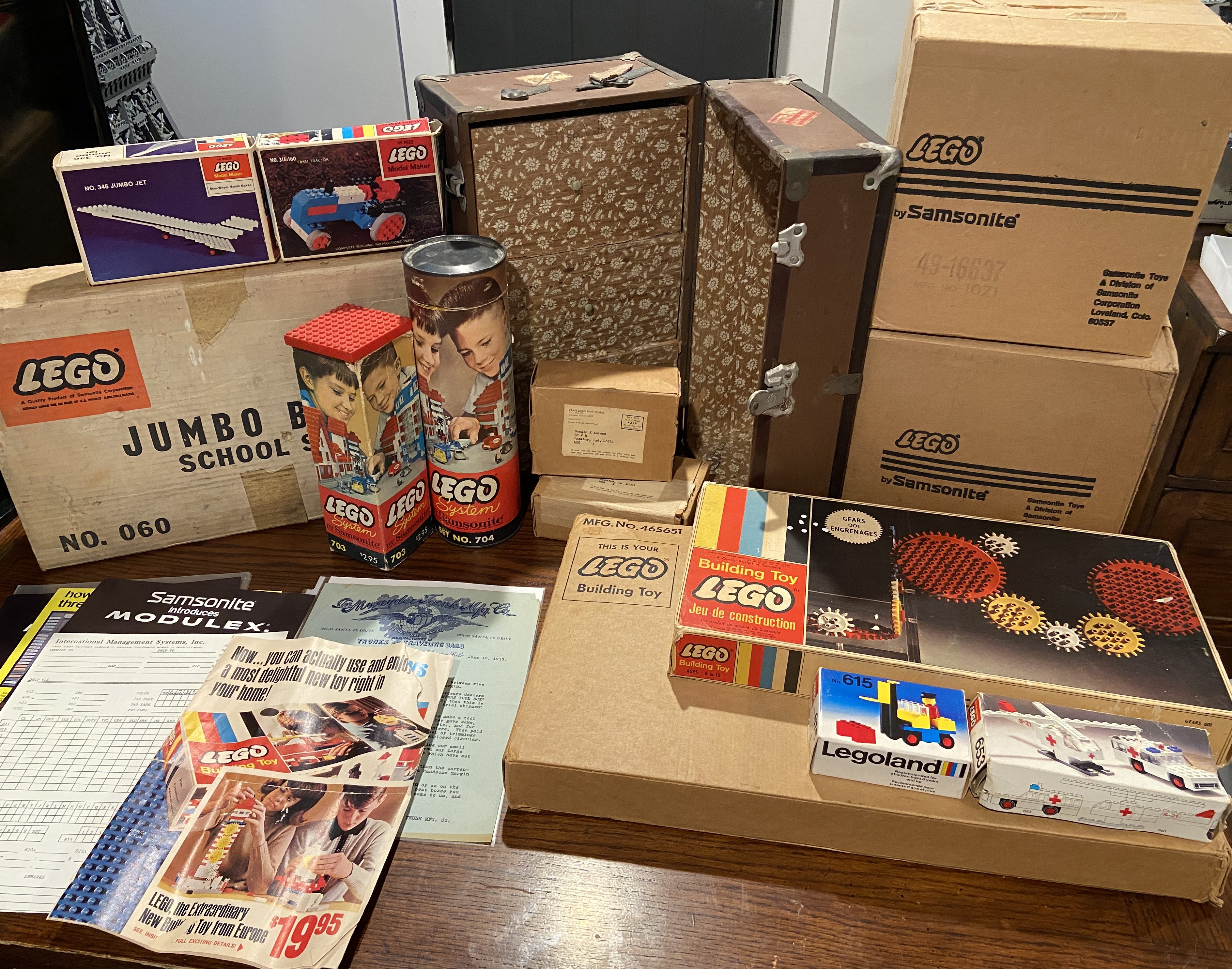
The below image is not exhaustive, but instead showcases what I find highly notable and are achievements for the Samsonite/LEGO Samsonite community. They were all accrued within the last month, and we will cover each in this article.
In addition to everything above, Joey, known online as BrickTrains, kindly provided very exciting scans of two pieces of media that I want to highlight as they are absolute cornerstone materials.
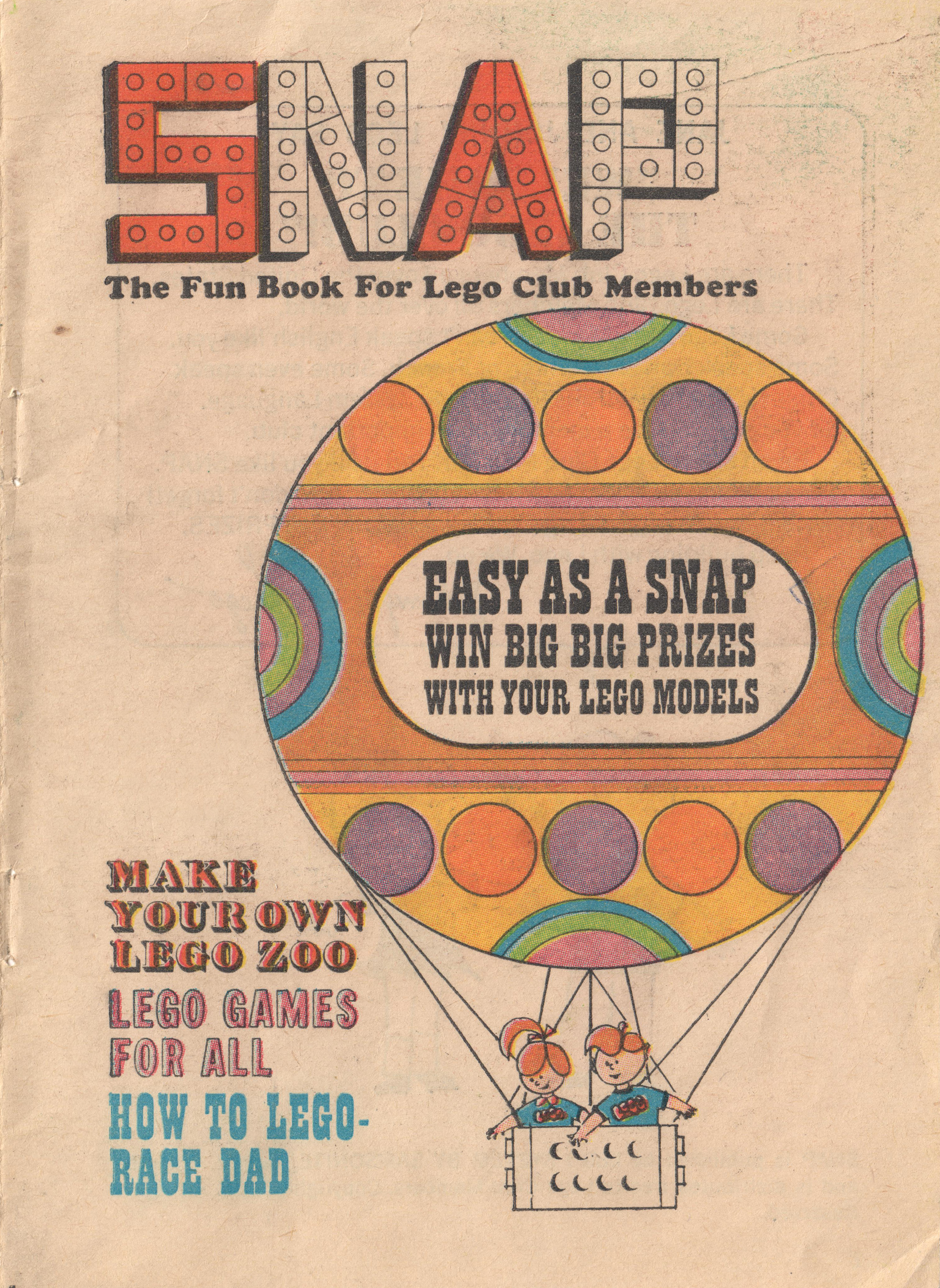
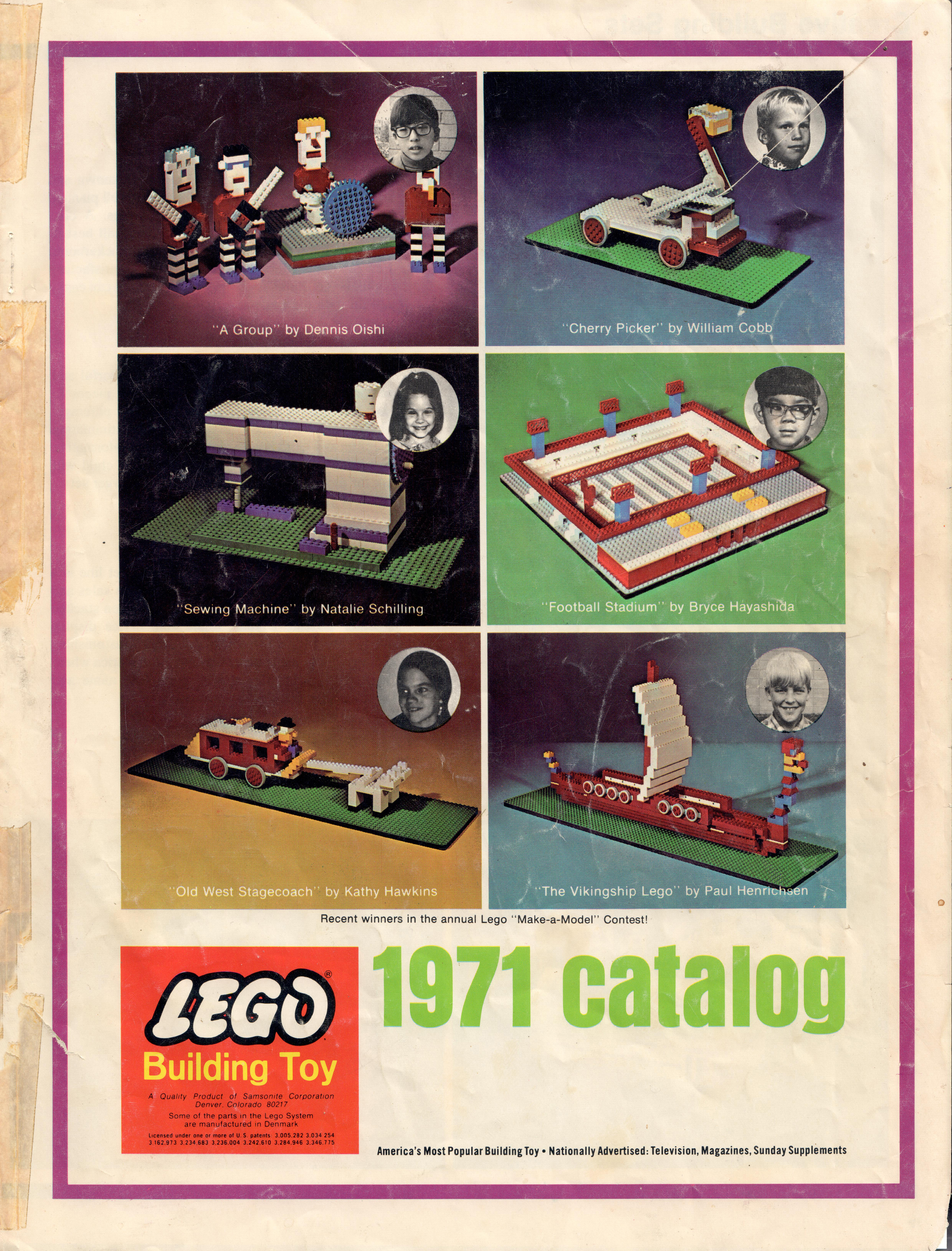
If you wish to view the full books, just click on the images above and follow the respective link.
I'll try to stay simple, though I could talk about these materials alone for literal hours. The SNAP magazine is absolutely fascinating, in that it is presented as one in a series, yet it is the only issue known to exist (there are several known surviving examples, they are all this exact issue). It appears at a weird time, and seems to have been distributed by retailers, given the variable retailer name on the back. I have an article planned for the LEGO retailer materials, so more on this later.
The 1971 dealer catalog, is much less of a mystery and more so a relief. When originally trying to track release or retirement dates of LEGO sets, having to use newspapers and similar adverts, it was often unclear whether or not we'd reached the correct answer. One can present super detailed arguments all day long, and oftentimes that leads to an answer that indeed aligns with reality. It's simply a relief to have the closest thing to an "official" source available to check our work. Of course it isn't necessarily wholly indisputable, it's just a more trustworthy node by which information can be rebuilt with.
Anyways, let's begin. Presented in no particular order:
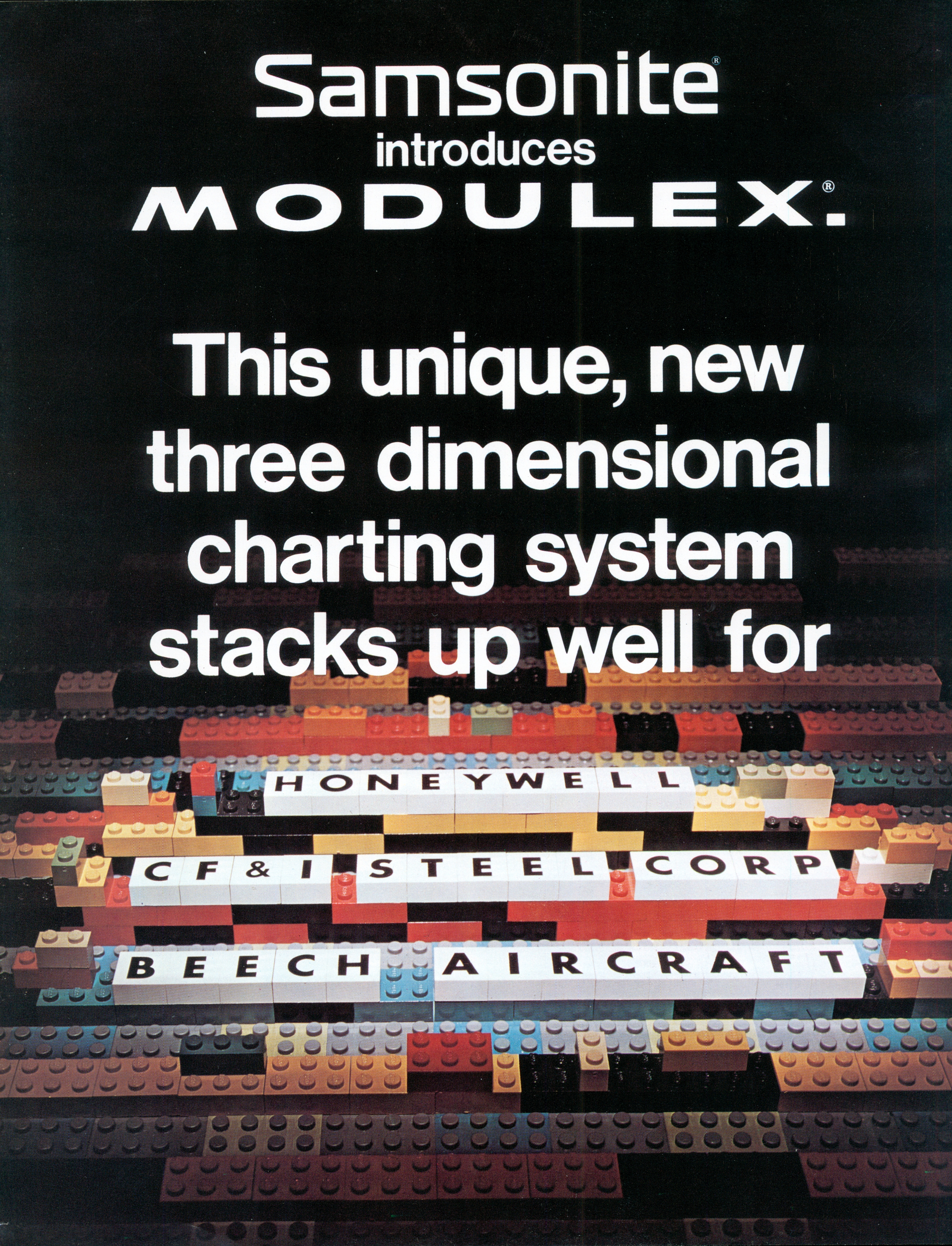
Modulex by Samsonite
I've written an entire article on this endeavor already if you're curious: Modulex by Samsonite.
When I first wrote the article, I wanted some actual materials instead of just newspaper articles to show. Rylie Howerter, curator of the Modulex Library, had archived nearly everything one could ask for in regards of paperwork—price sheets, invoices, brochures, etc. But I still wanted a little something that was our own to show in the article, as I find that to be much more engaging to break up long walls of text.
I was incredibly fortunate enough to purchase materials directly from Rylie, meaning we now have a 1971 flyer (as well as some extras that were sent, which I plan to gift to contributors) and an extremely important invoice which I still cannot believe myself. Knowing how limited of a distribution network they had, as well as how short the window of sales the Samsonite Modulex foray had, only 1970-71, it is incredibly fascinating to hold these materials in hand.
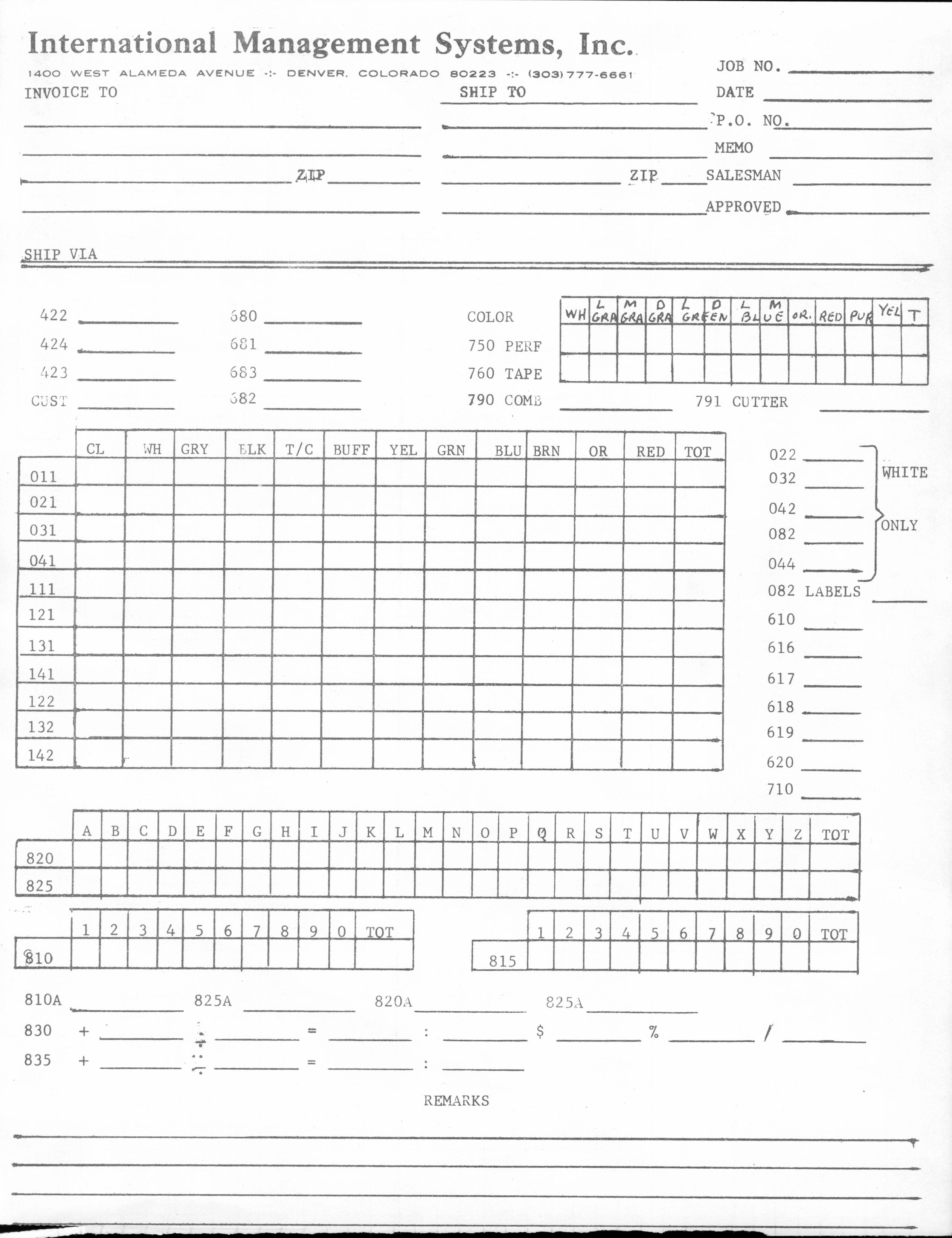
I feel like I'm going to say a lot of things are interesting or fascinating. Bear with me.
Early Samsonite Materials
Back in December 2025, I was ecstatic to obtain and scan a 1930 Dealer Catalog for Samson Luggage, the year before the company changed their name from Shwayder Trunk Mfg. Co. to Shwayder Bros. Inc., as early Samsonite materials are incredibly hard to come by, especially internal dealer documents.
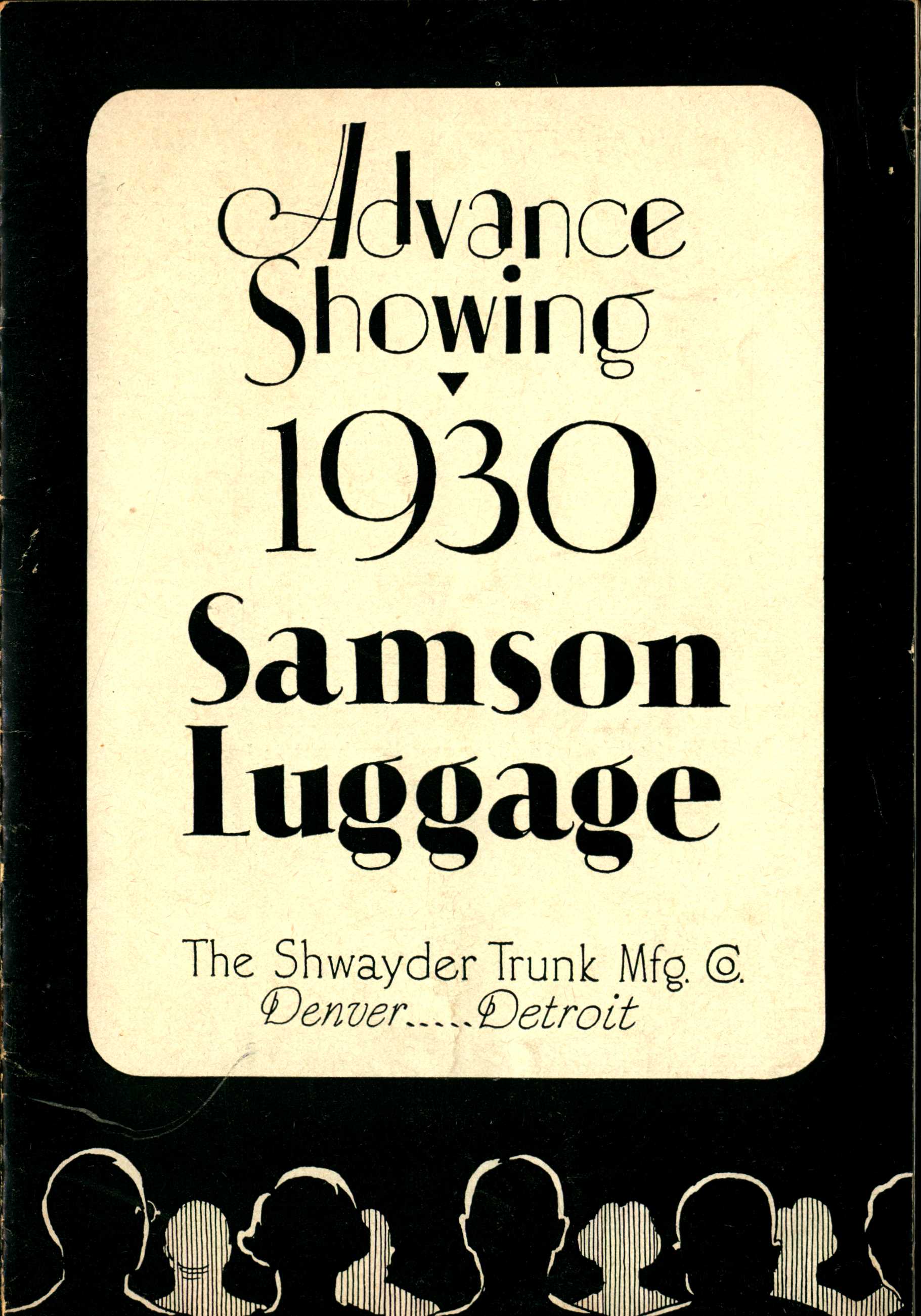
Well the one below blows that out of the water. Samsonite themselves cite their founding date as 1910, which makes this 1913 letter an incredible find:
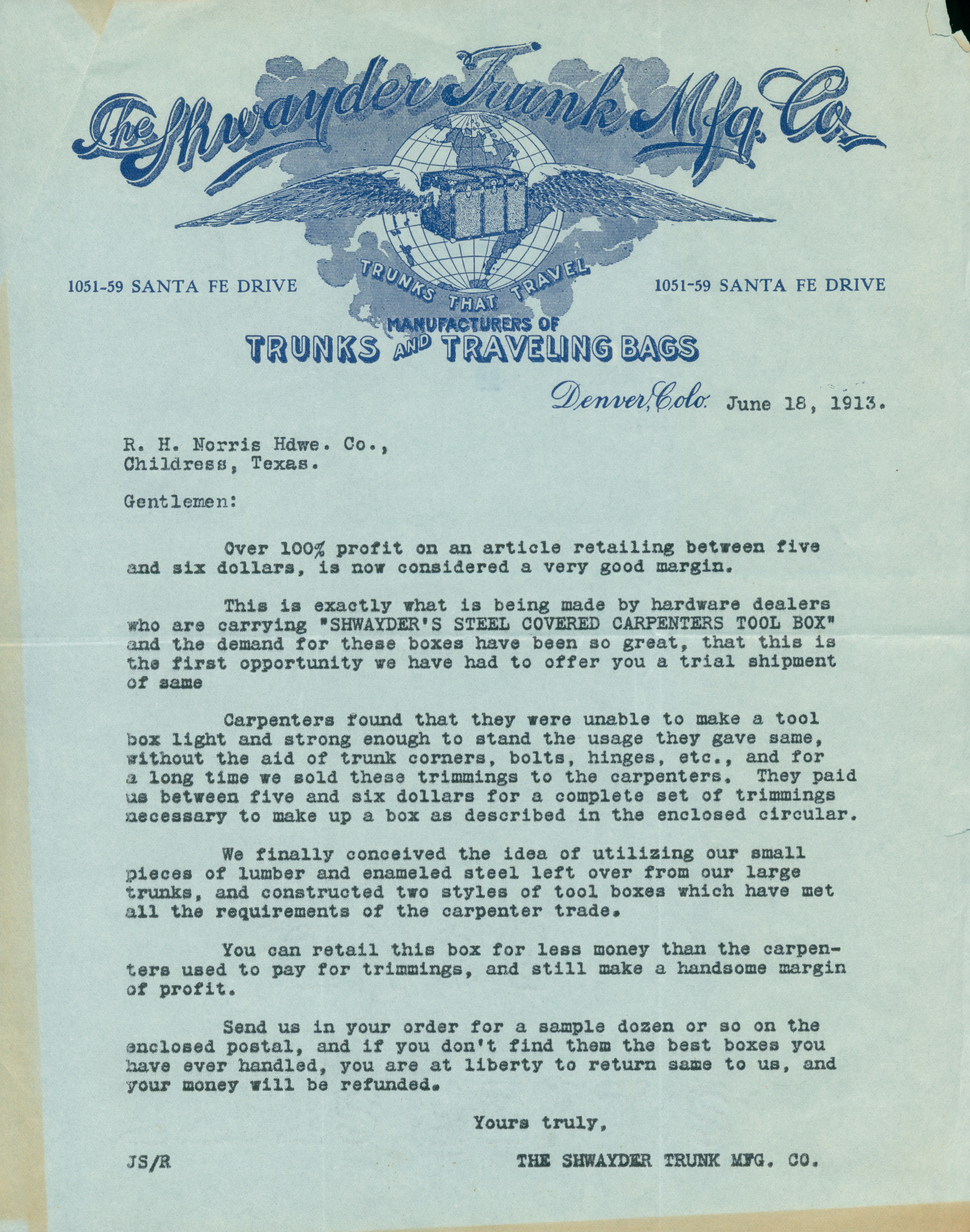
It's not a dealer catalog, but instead a letter to a dealer advertising a trial shipment of a carpenter's tool box. It's missing whatever "enclosed circular" originally came with it, but this is still a vital piece of the puzzle. The letter serves not only to document that Shwayder Trunk Co. made such a product and when, but also captures a very, very important moment in Samsonite's history.
This was dated to mid-1913. According to trademark databases, 'Samson' (the precursor to Samsonite) was first used in marketing in 1914. Because it predates all of the well-known Shwayder marketing approaches, the letterhead shows how exactly their products were marketed prior to the use of Samson or "strong enough to stand on". The language in terms of "Manufacturers of Trunks and Traveling Bags" is also suspiciously similar to that of Seward Trunk Mfg. Co., where Jesse Shwayder originally got into the trunk business, but I digress.
The second thing I want to show is extremely important, as many online sources cite that LEGO was the first toy Samsonite ever produced, and there was little reason to doubt such a claim. But the trunk shown below predates that era by almost three decades if not more:

It's a doll wardrobe, a scaled down trunk for a child to store a doll's clothes, accessories, etc.

From some sleuthing through everything I have access to, as well as considering elements of the case, it was likely produced sometime between 1928 and the early 1940s. It's hard to pin a more precise range, as there is no documentation or adverts that mention this. There have been at least two variants of these that have sold online prior.
Another issue is that the faux travel stickers on the case (notably separate stickers for White Star Line and Cunard Line, two companies that merged in 1934, and a sticker from Constantinople, renamed in 1930) give an impression of a hard earlier date, between 1928-1930, but I suspect this case could've been produced as late as the 1940s and the stickers were either carry-overs from earlier productions or deliberately harkened to an older era.
Nevertheless, a cool find that I'm happy is finally getting at least some level of documentation, with hopefully more to come in the future.
565 Sears Set + Bonus Paperwork
Listed online, all I could see was this for a decent price for just the parts:
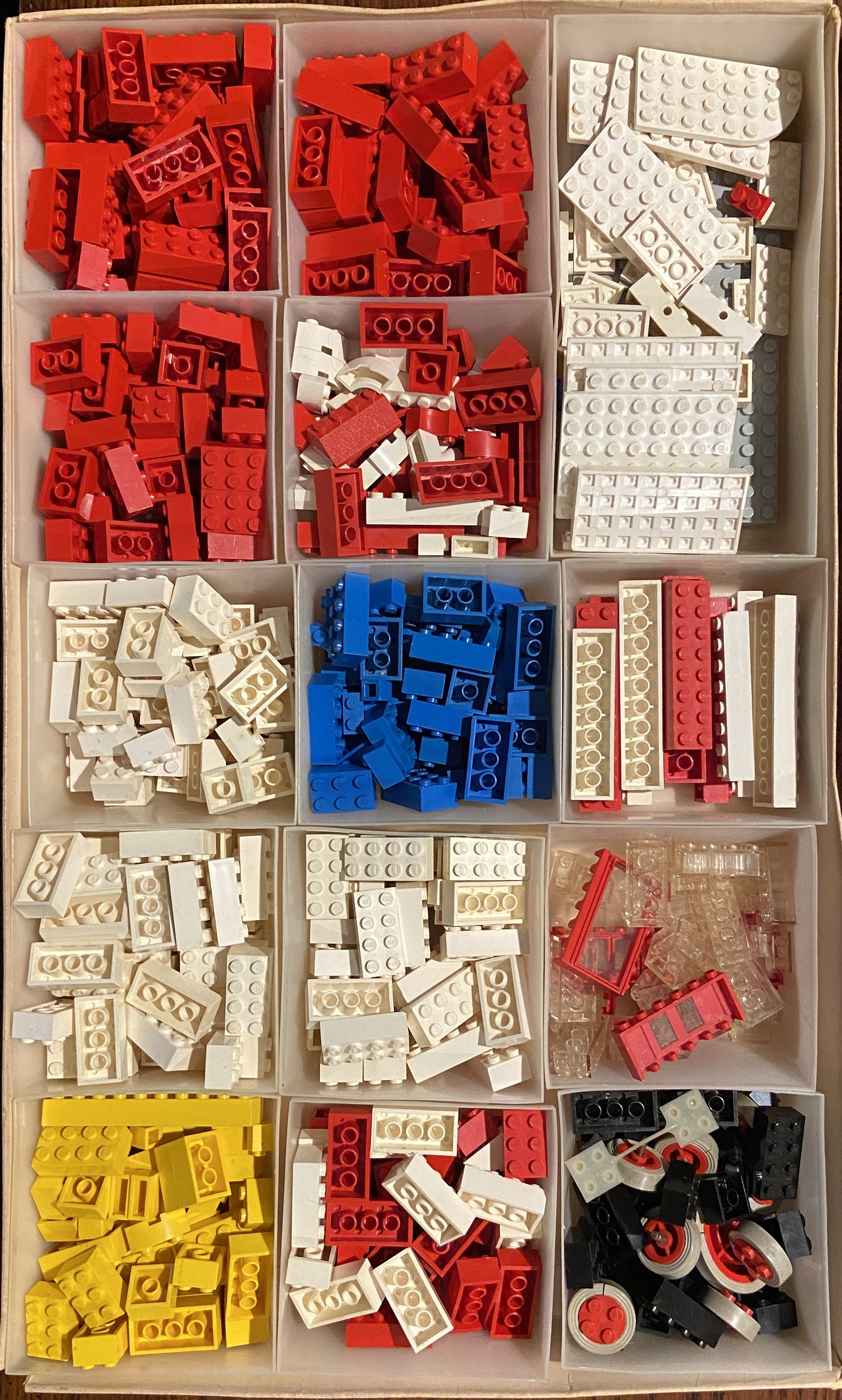
Which, you know, a loose tray of parts is hardly something I'm interested in, but I clicked regardless. Sellers sometimes take poor pictures, not realizing what is or isn't desirable.
Most of the images were just closeups of the parts and I was quickly losing interest, but the last one made me immediately purchase the lot. It was the incredibly rare 704 Master Discovery Pamphlet, of which I know of only a handful of surviving examples:
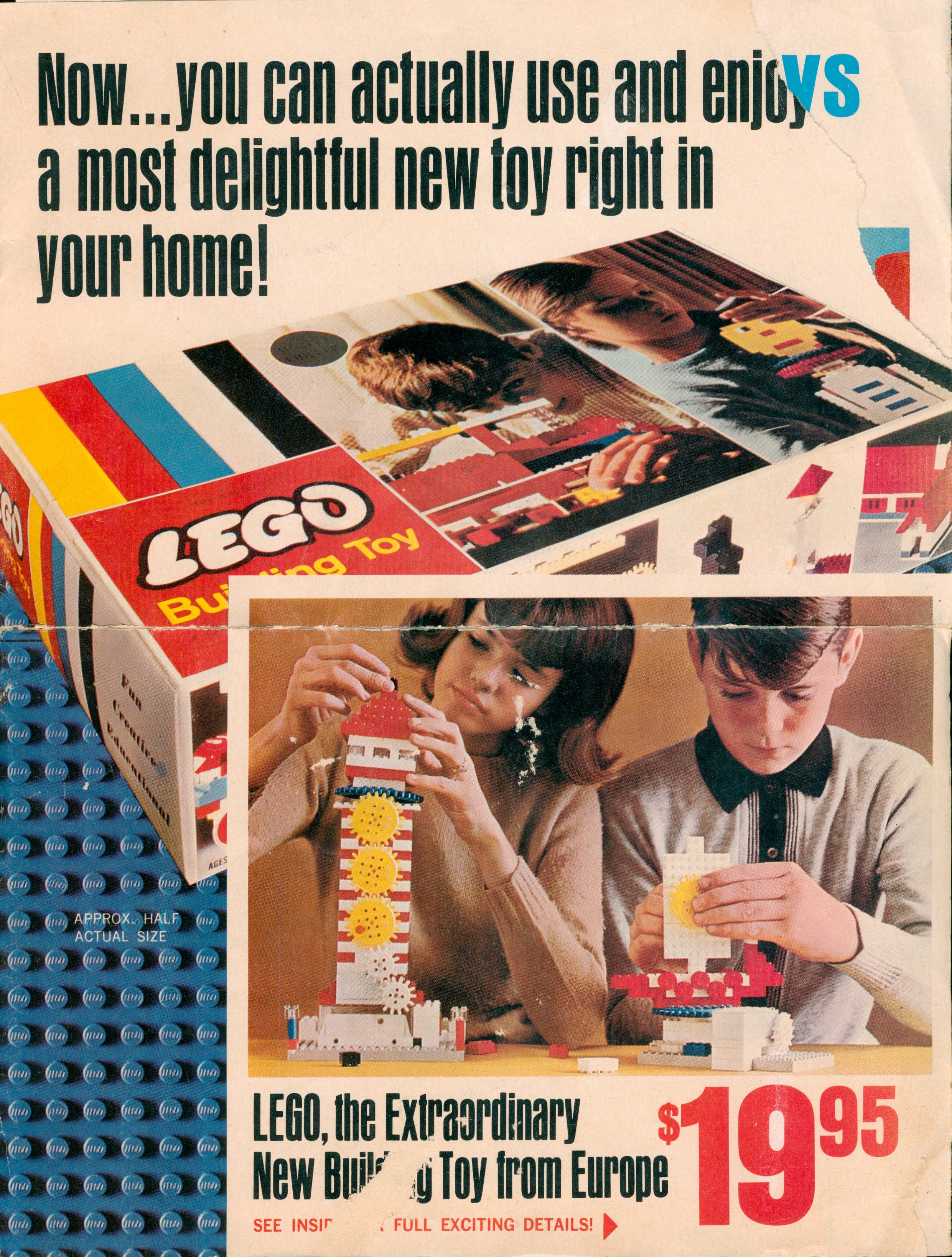
Thanks to the work of Eric Strand, LEGO ephemera archivist, we've always had access to scans, but now we have our own scans in much higher quality. Though of course my example has a torn edge and general discoloration, unfortunate but not the end of the world. But why it was in this lot is another question that I cannot currently answer, as it has providence in 1967, while the set it came with only sold in 1966 via catalog sales.
I've been keenly collecting these pamphlets, I've currently scanned 3/5 known variants. I'm incredibly interested in possible avenues they were distributed, as well as their odd print codes. We have B66, NB1, FAOS, and RBD. Some speculation could identify a possible meaning for one, but how exactly they all work as a system is much more interesting, something we will only understand if we consider them all and not each individually.
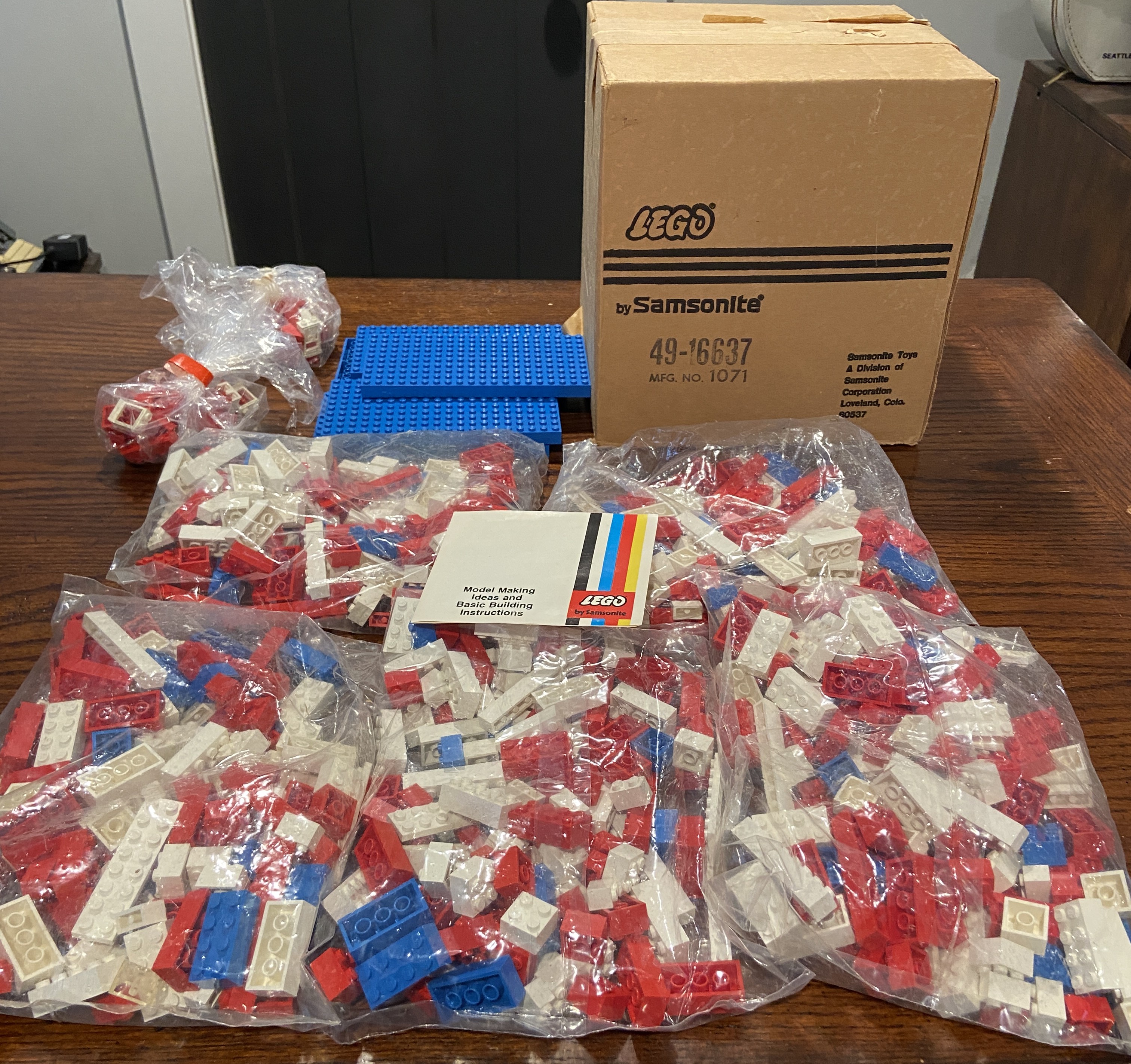
Anyways, in the online listing, the seller mentioned that the tray would come in the original mailer box, but did not make clear what set it actually was whether by manufacturer or catalog numbers. But that doesn't mean one is left without recourse, we had the size of the box, the contents, and even could see it included a catalog order exclusive manual, all of which narrow down the list significantly. But the listing's images of that manual only showed the generic side, shared with most catalog exclusive sets.
Based on my familiarity with LEGO Samsonite catalog exclusives as well as everything previously documented onsite, I was able to accurately identify the set as the 565 565-Piece Set based on the contents alone. I reasoned it could not have been the 1967 536 Designer Set, which for 1967 also had an identical small catalog pamphlet, as the set was missing all specialty pieces. Lo and behold:

So now we have our own images of this set as well, no longer relying on old eBay pictures. It's a pretty difficult set to find in the wild, so it is a welcome addition.
Model Makers
I've finally obtained some of the Model Makers I was missing so we could have better images. Firstly the surprisingly hard to find 346 Jumbo Jet:

As well as a surprising appearance of the 1969 tabbed box 316 Farm Tractor, VERY hard to find:

I'd like to eventually collect all of the 1969 variants of the 1967 Model Makers, given they aren't priced out the wazoo. They are far less common than the older drawer variant, but the 316 tractor is ironically the least common of the 1969 variants, so that's a victory.
I've also obtained two of the three Kraft 1970-71 Mini-Wheel Model Makers with the original box, and thus finally have all three instruction manuals archived onsite. These are 1971 examples based on the manual, though curiously it would seem an unsold 1970 example was reused in 1971, hence why the No. 3 box is the older style but has a permit and manual from 1971.

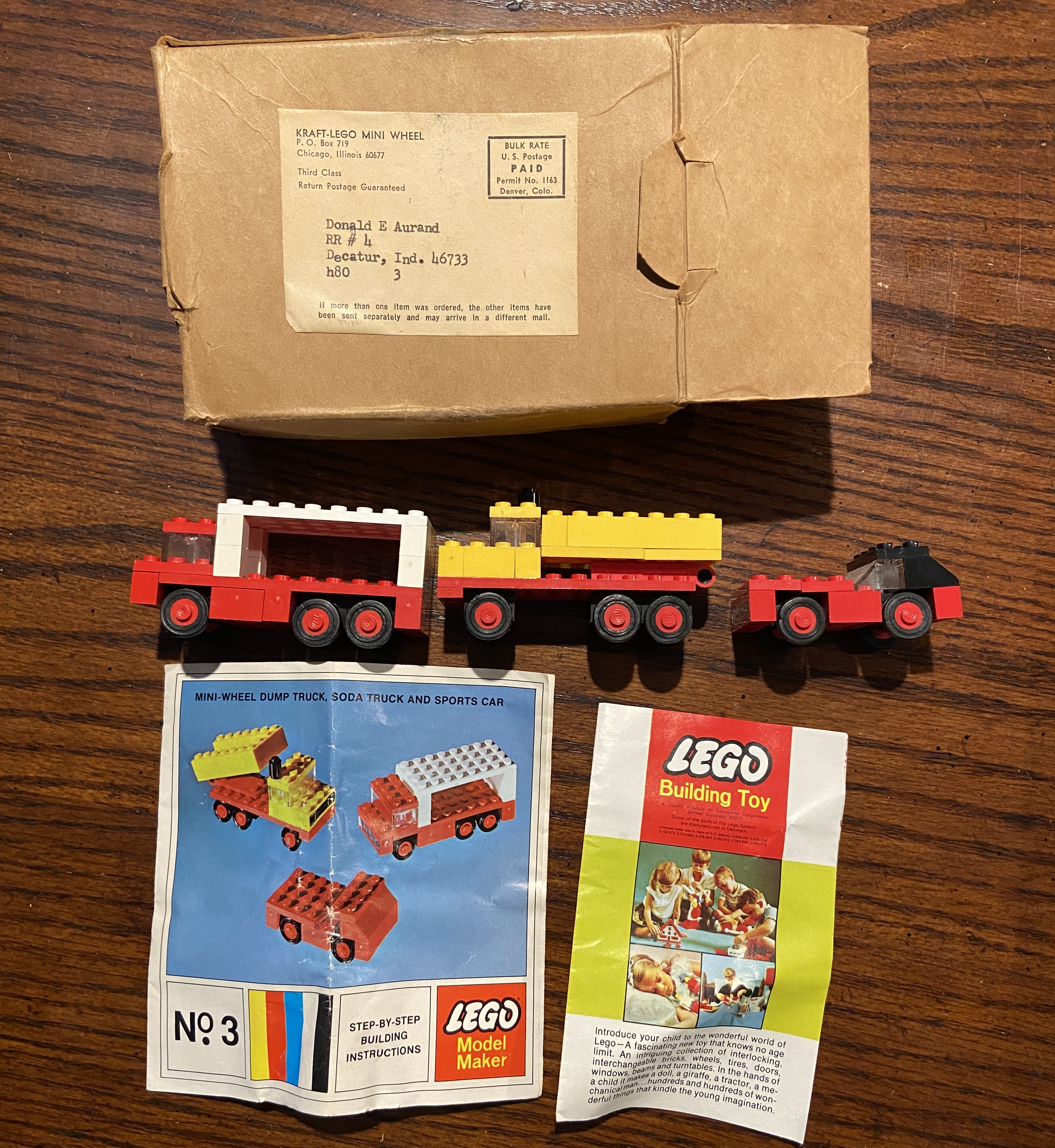
I own a loose No. 2, but I'm okay with not having the box for that one, as I was lucky enough above to get both box styles here. I'm just happy to have all three.
060 Jumbo Bricks (And Other Institutional Materials)
I know, I know, it's a lot. We're almost done.
This one I'm a little ashamed of, as I paid way too much for it. However, finding one with the manual is quite literally impossible, as the vast majority of examples are missing it. So I bit the bullet.
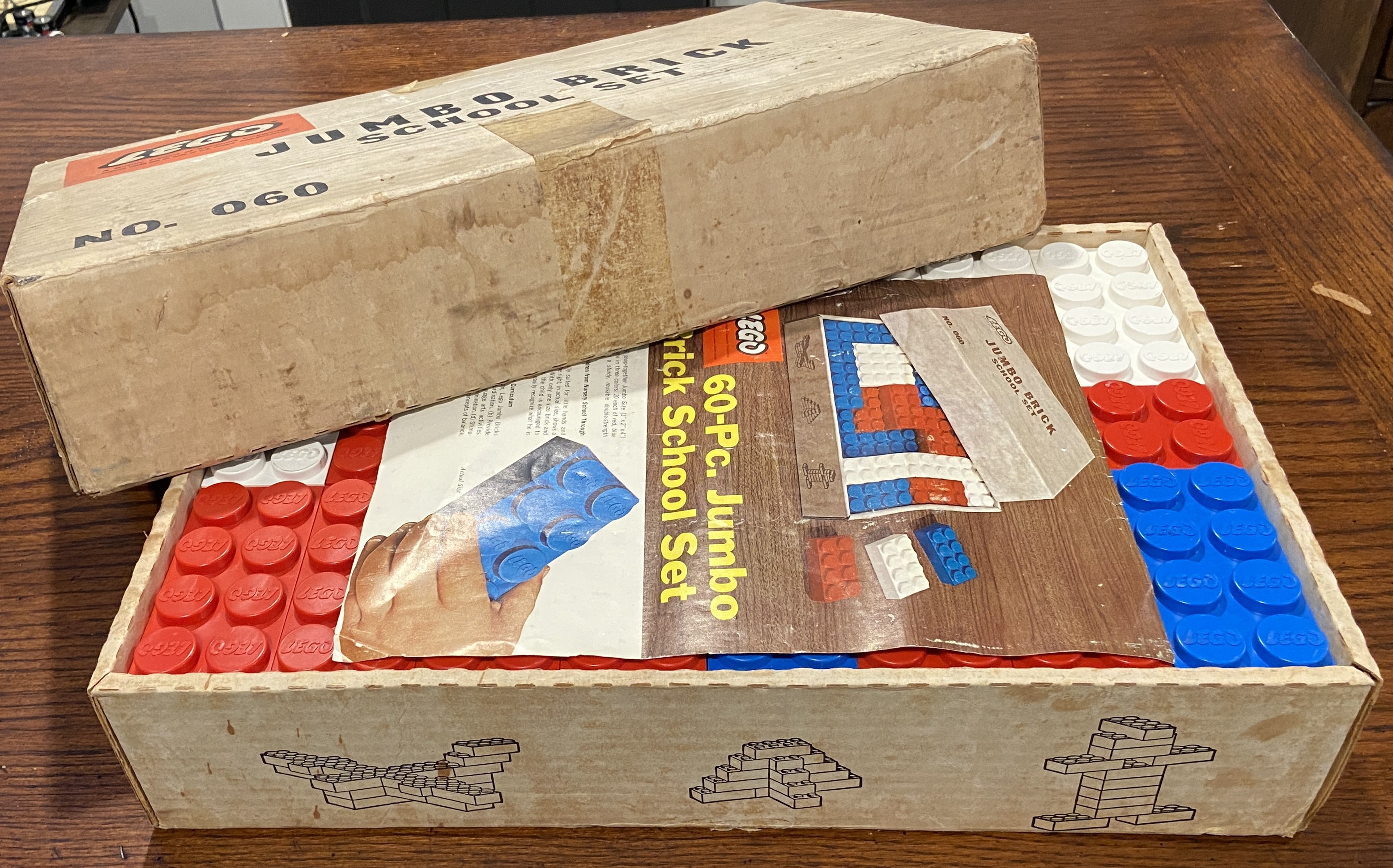
It's scanned onsite now, though besides accounting for the form number, there really isn't much we've missed out on. Regardless it's archived and free to use.
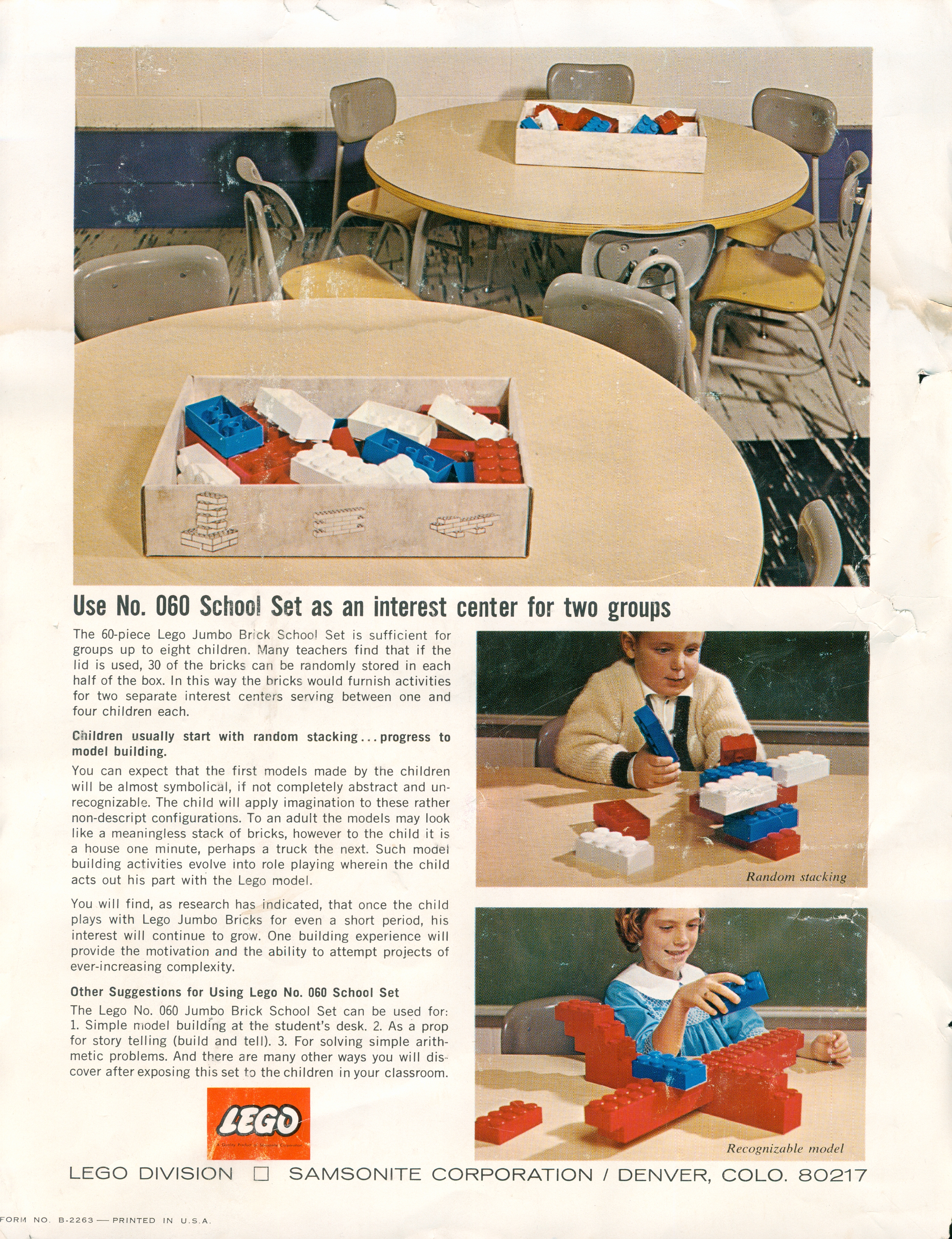
I've also found and scanned two institutional magazines with LEGO adverts. It was incredibly difficult to identify which exact issues had a LEGO advert, as they typically only ran once a year per magazine, and by some miracle I was fortunate enough to purchase a lot that had two.
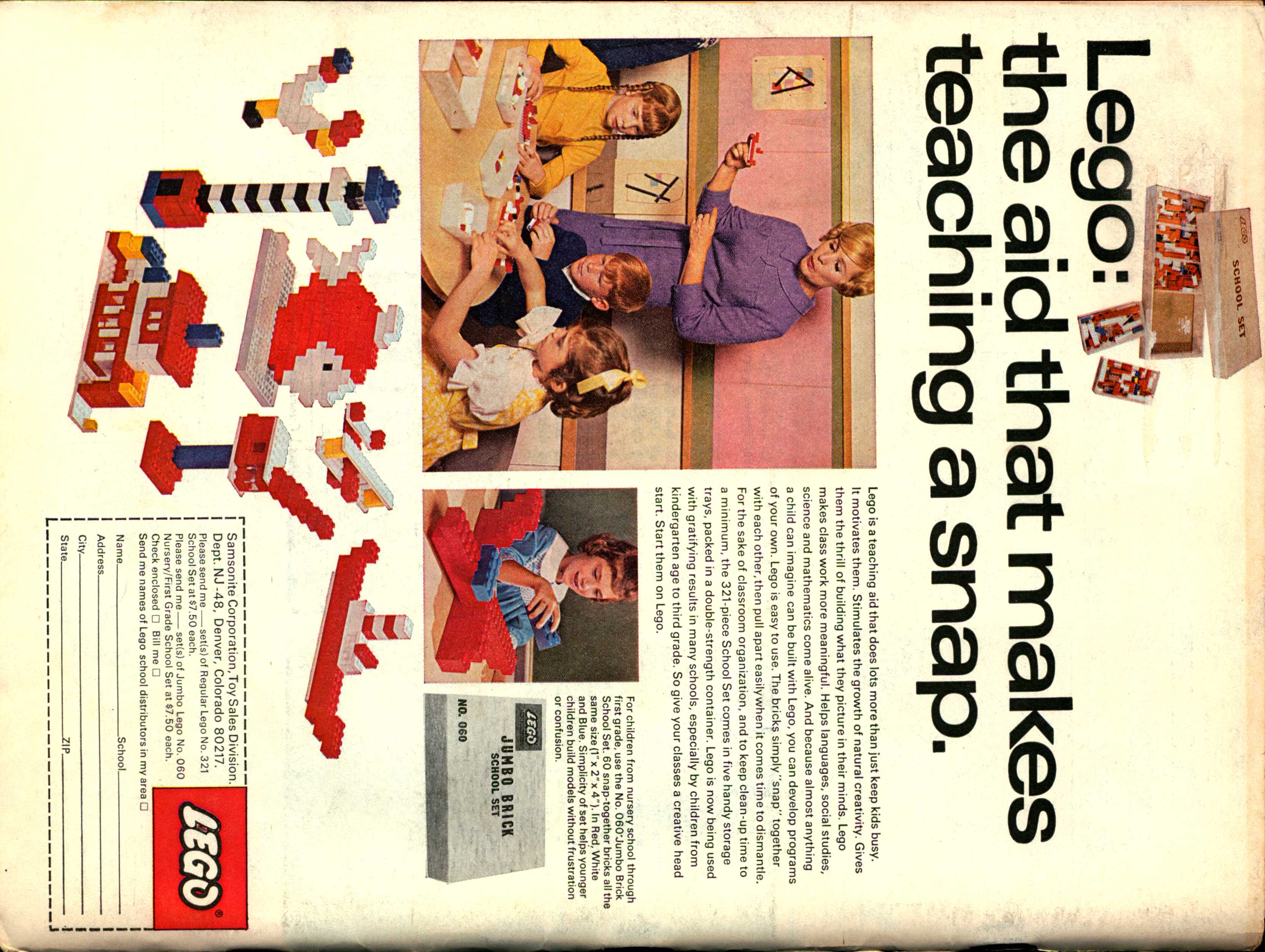
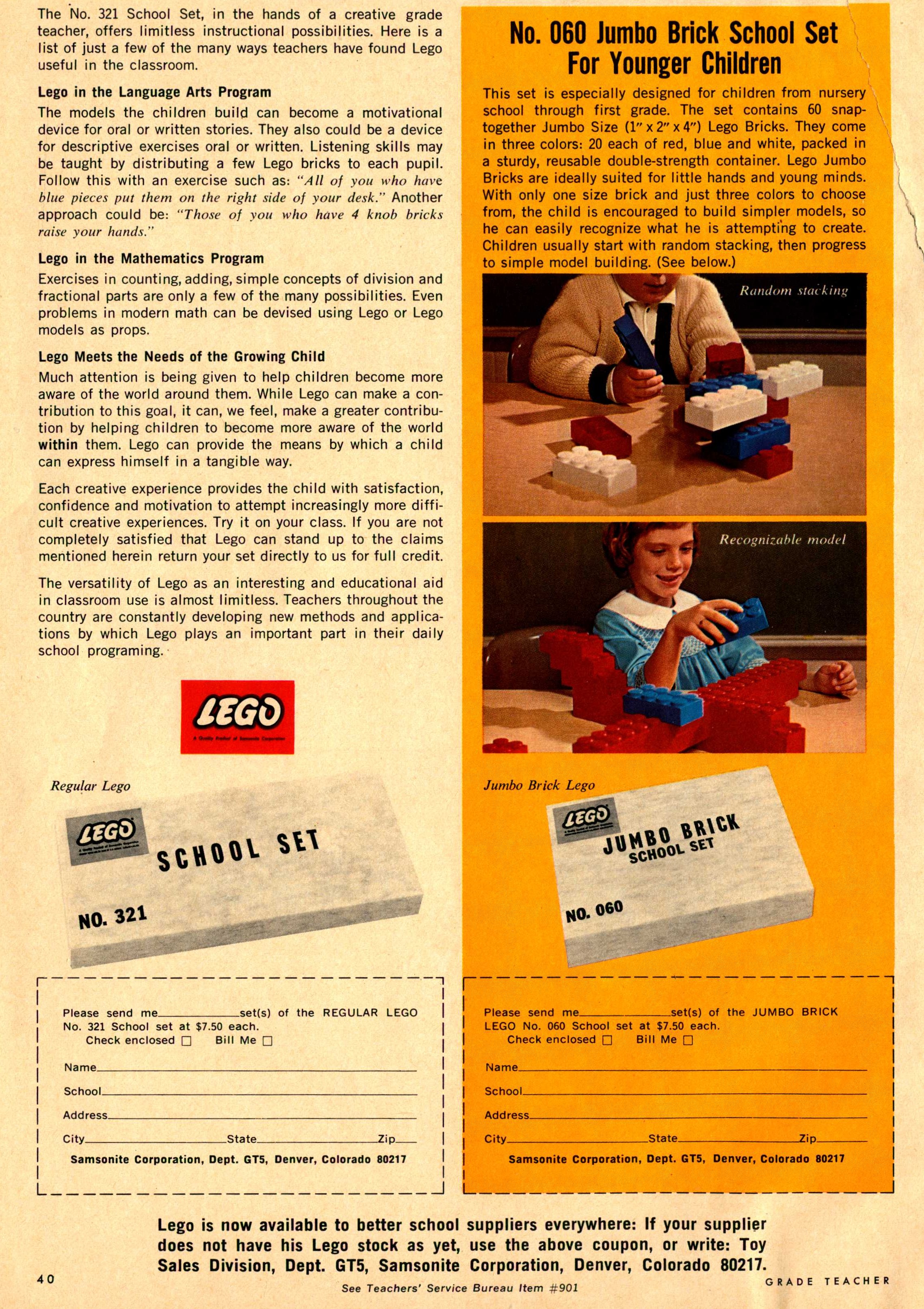
Sears Exclusive 1972 Catalog Sets
Interested in collecting the 1972-73 catalog Imagination Sets, I've owned some of the JCPenney sets for quite a while but never saw the Sears sets up for sale (besides one 109 empty box trying to sell for $1,000).
As it turned out, as I just randomly ran into it, a new in box 109 been for sale on eBay for nearly a year for under $100, it was just that the seller took such bad photos and gave such a generic title that it was a gamble as to exactly what you were receiving.
Fortunately it was as advertised:

As happened many times above, a 107 just happened to be appear for sale shortly after. Normally, LEGO Samsonite materials are not nearly as plentiful as this article may suggest, especially rarities like the catalog sets. It's also odd that both are sealed in box, but that's not too uncommon for 1972 era sets.
These were useful as they continue to reinforce and support the theory behind the Orgin of Imagination Set Inventories.
Misc Other Sets
We've got some Canadian love as well, with a super cheap Canadian 001 Gears that I just couldn't pass up:

And some of the 1970s sets, such as set number 653:

And we've also got a 703 Basic Set as well as the rarer 704 Canister Set with a nice top. It isn't that the canister sets are rare across the board, only that finding one with an intact top that hasn't been wrecked is difficult.

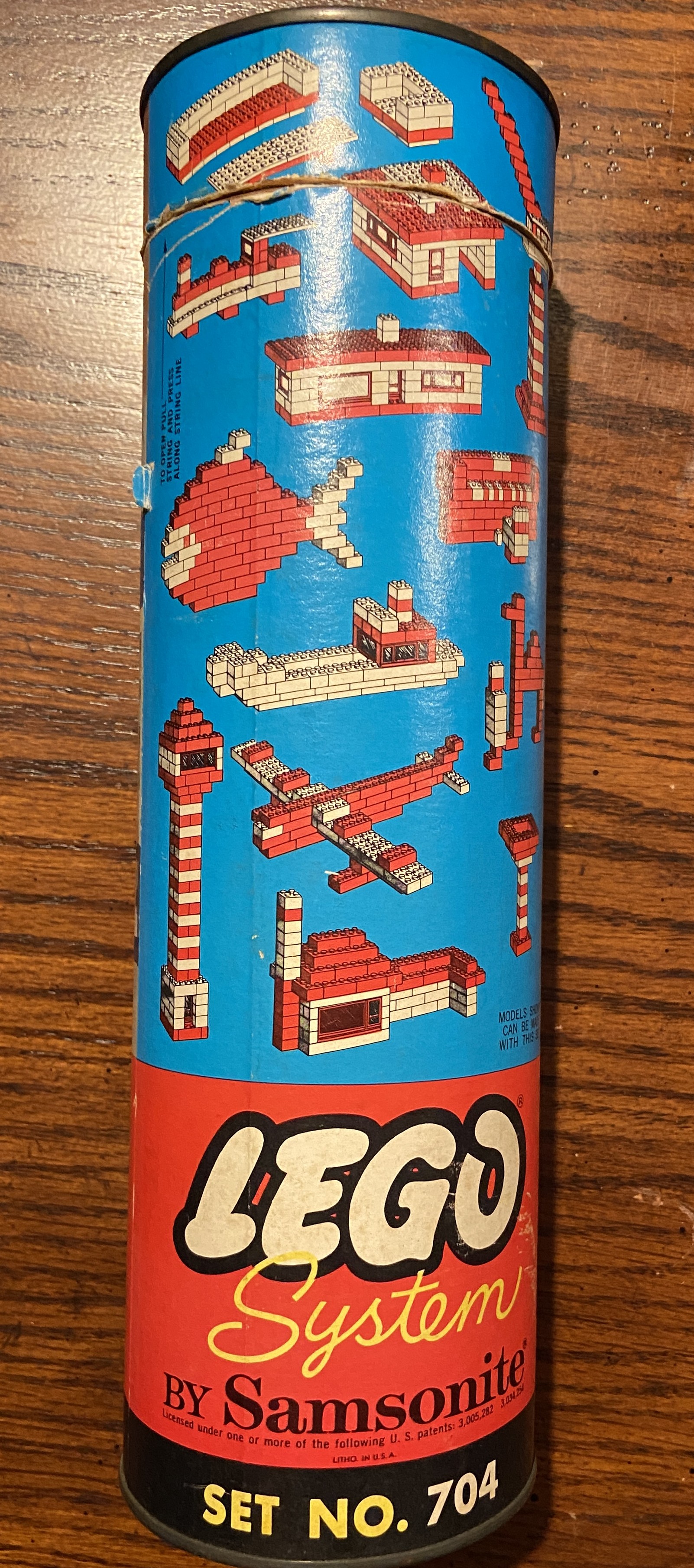
Closing Remarks
One of the things I want to mention, if you're a little outside of the Samsonite sphere, is that these are all equally treated as milestones as all are not readily documented in high quality. Some of what was featured above are the first to come up for sale in several years. Some, such as the 1913 letter, is one of the oldest pieces of Samsonite ephemera to have ever sold, at least as far as I can find.
And that's why I and many others quite enjoy this niche. Every day has the potential for something you've never seen before, or perhaps something is found that is the piece of the puzzle we've been missing.
There's only so many surviving examples, so we must ensure each are freely accessible for those who wish to explore.