
A Large Haul With New Discoveries! (11/26/25)
___
When collecting for LEGO Samsonite, with a goal of collecting only what is reasonably priced and you don't already have, hauls are few and far between. Especially things like this, wherein nearly everything below contributed to the archive in one way or another.
Over the last few days, I received several packages:
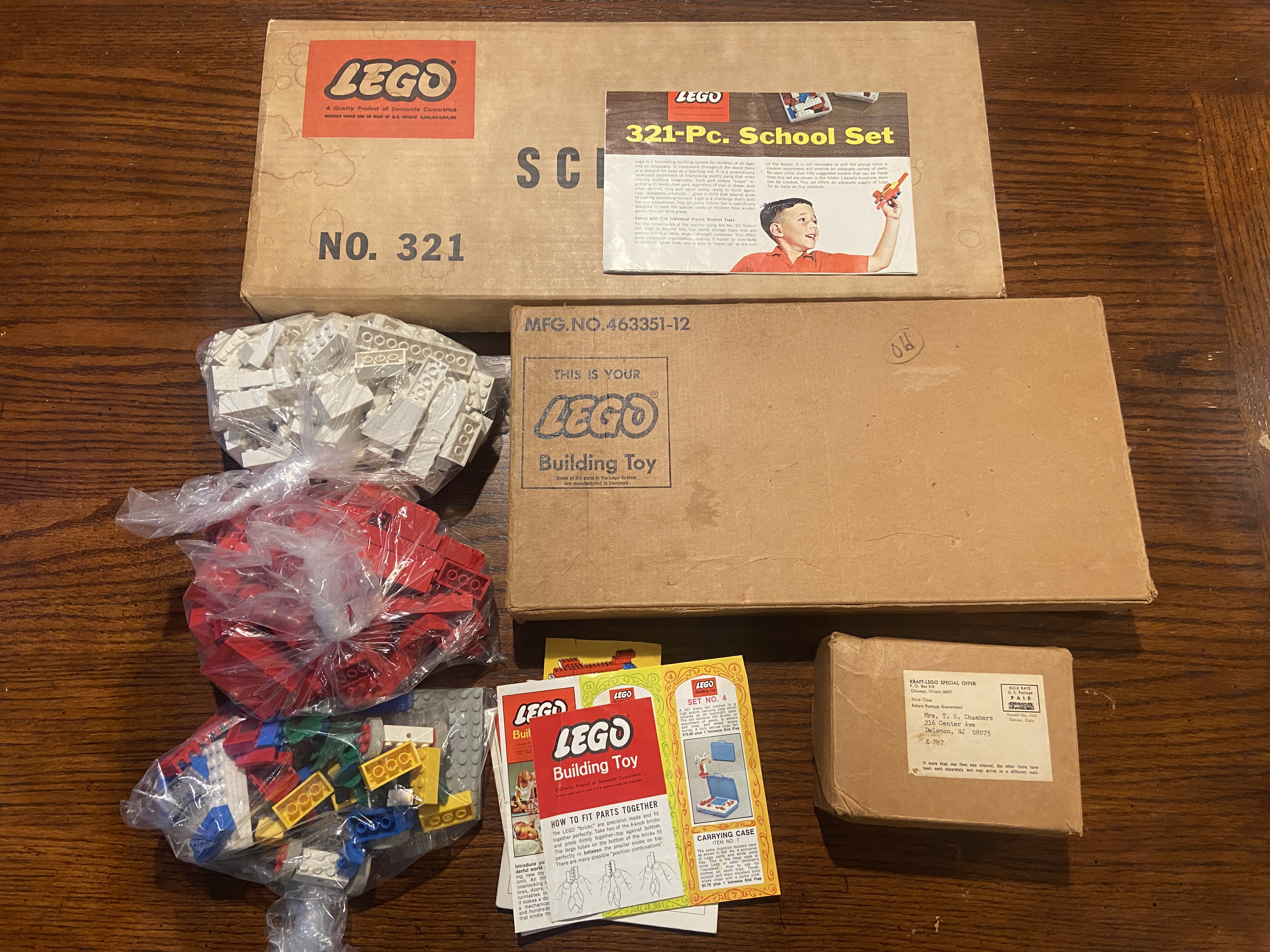
But the discoveries are not so obvious, so let's go through each one by one.
1971 Kraft Set
This is the most uneventful purchase, it was pretty cheap and contained paperwork that I needed higher quality scans of:

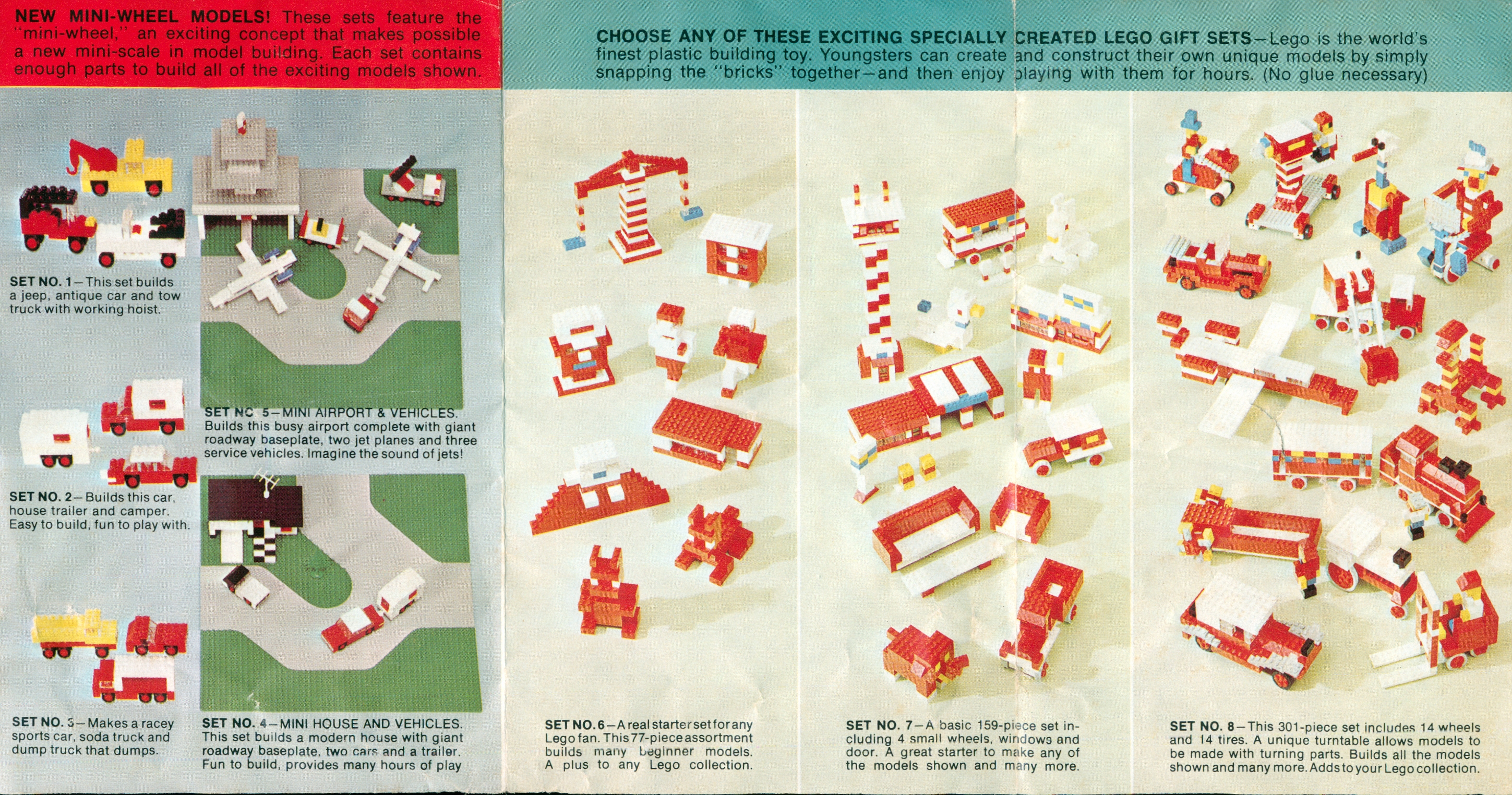
So now we have our own scans of this pamphlet and aren't compromising on quality. It also gives me an opportunity to point out a new site feature. If you click on the above image scan, you now have access to all pages of the pamphlet without leaving this page.
There are some other oddities with this set in particular, such as how it obscures the Chicago permit number and instead uses a Denver permit number. There's something going on there (espcially considering this example is from the 1971 wave), but I'm going to reserve guesses until we've done a proper deep dive into the Kraft sets.
321 School Set
While we had low quality images of the 321's pamphlet onsite for a while, I've finally been able to scan the paperwork proper (for the first time ever available online):
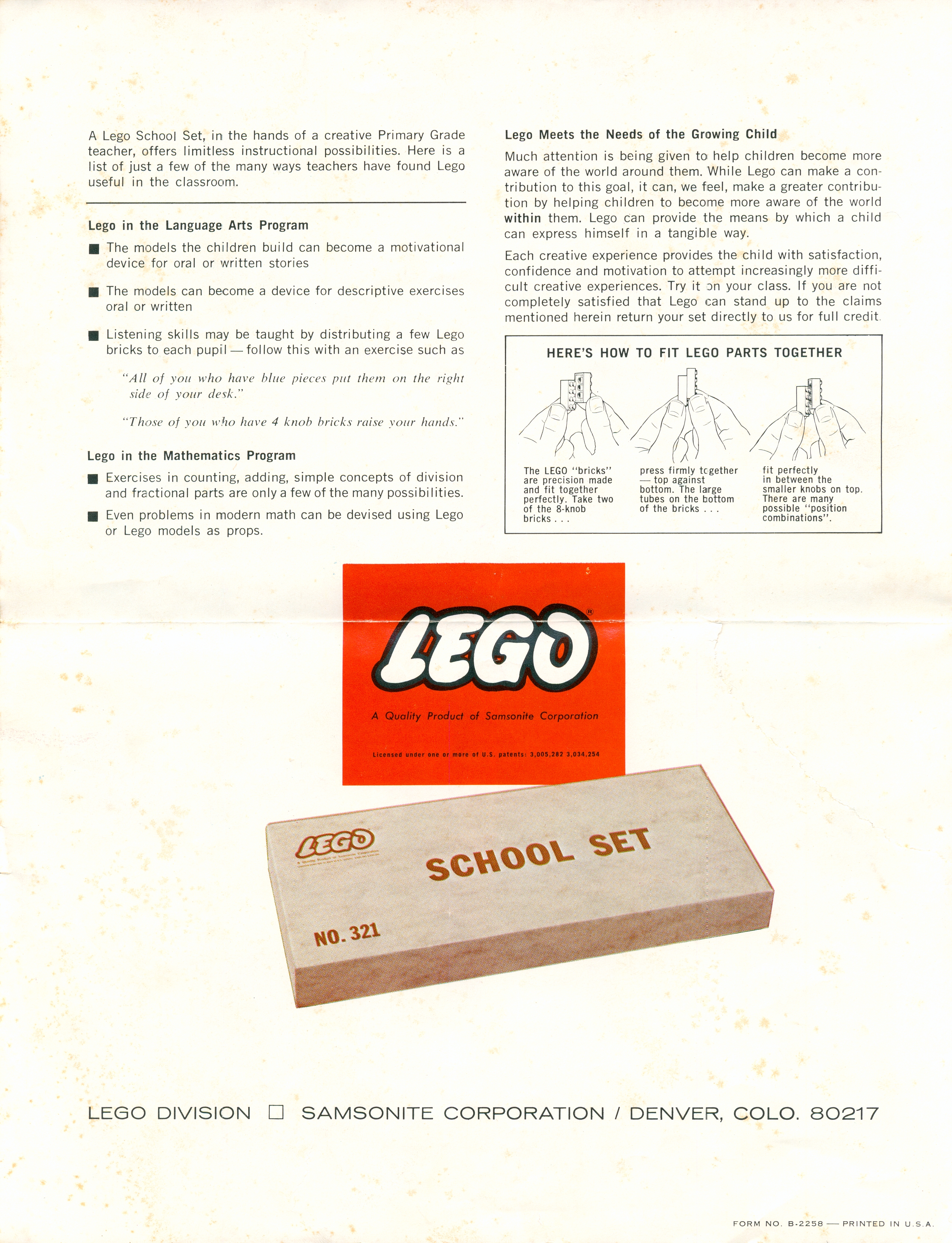
Which is a really pivotal moment, as we're one step closer to having all three educational pamphlets archived in full. The 321 I purchased also had 317 of the original 321 pieces, which also means we're going to have a rough inventory of the 321 as well:
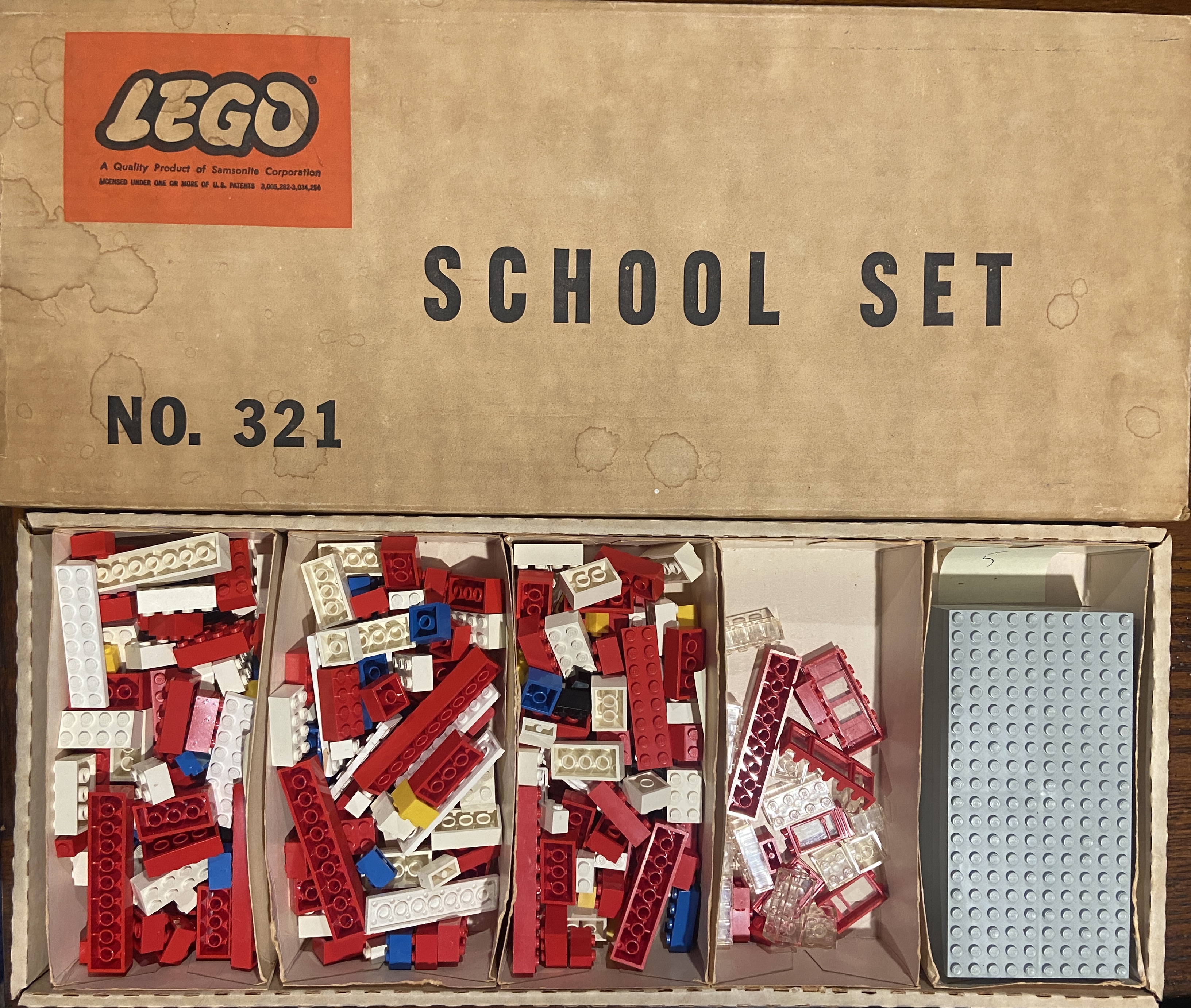
I'm not really a stickler for condition, having the pamphlet is the main concern for myself. I also took the opportunity to compare the 321 to the later 322. For some reason I didn't expect them to be the same box sizes, but I suppose it makes sense from a manufacturing logistics standpoint:
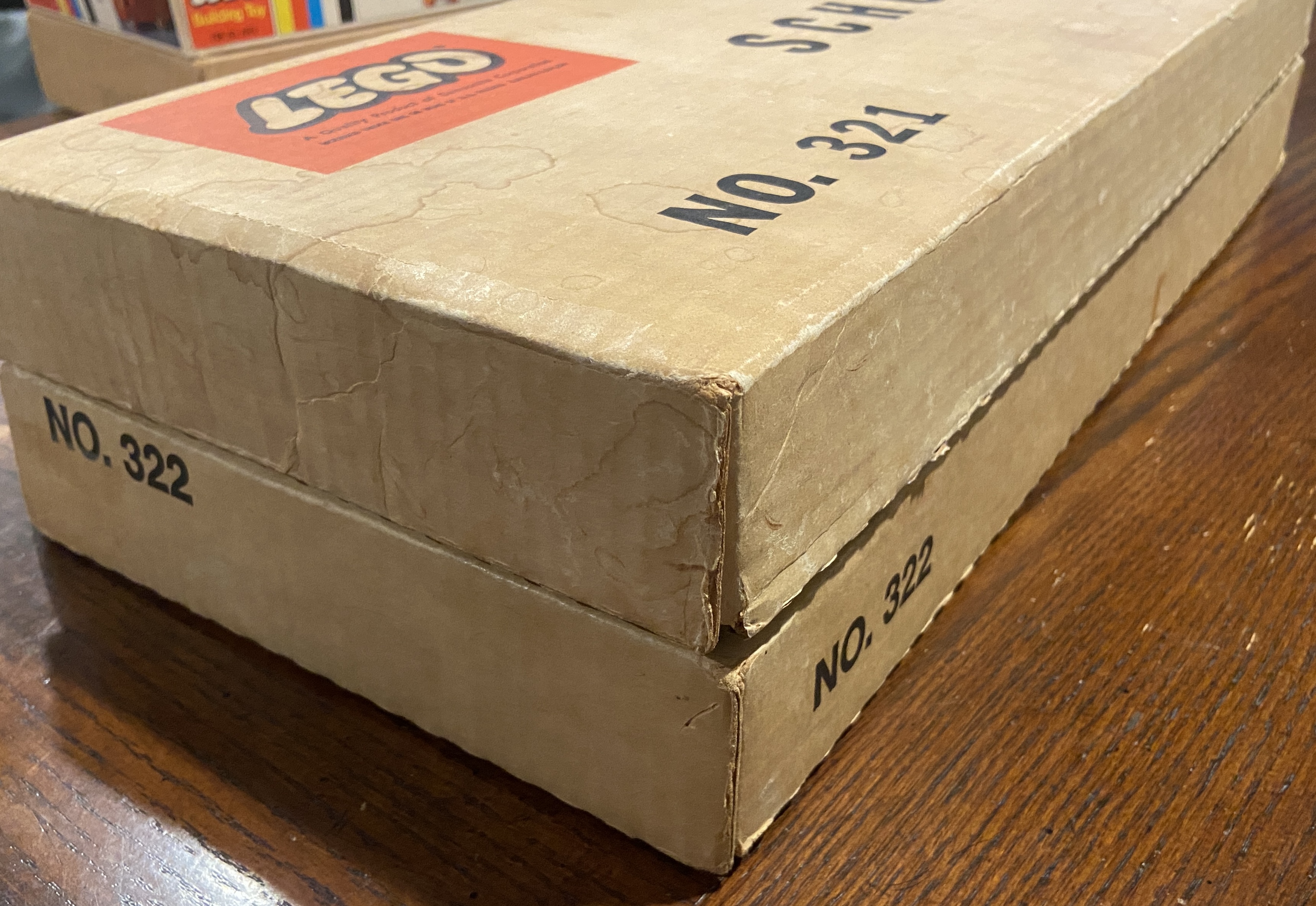
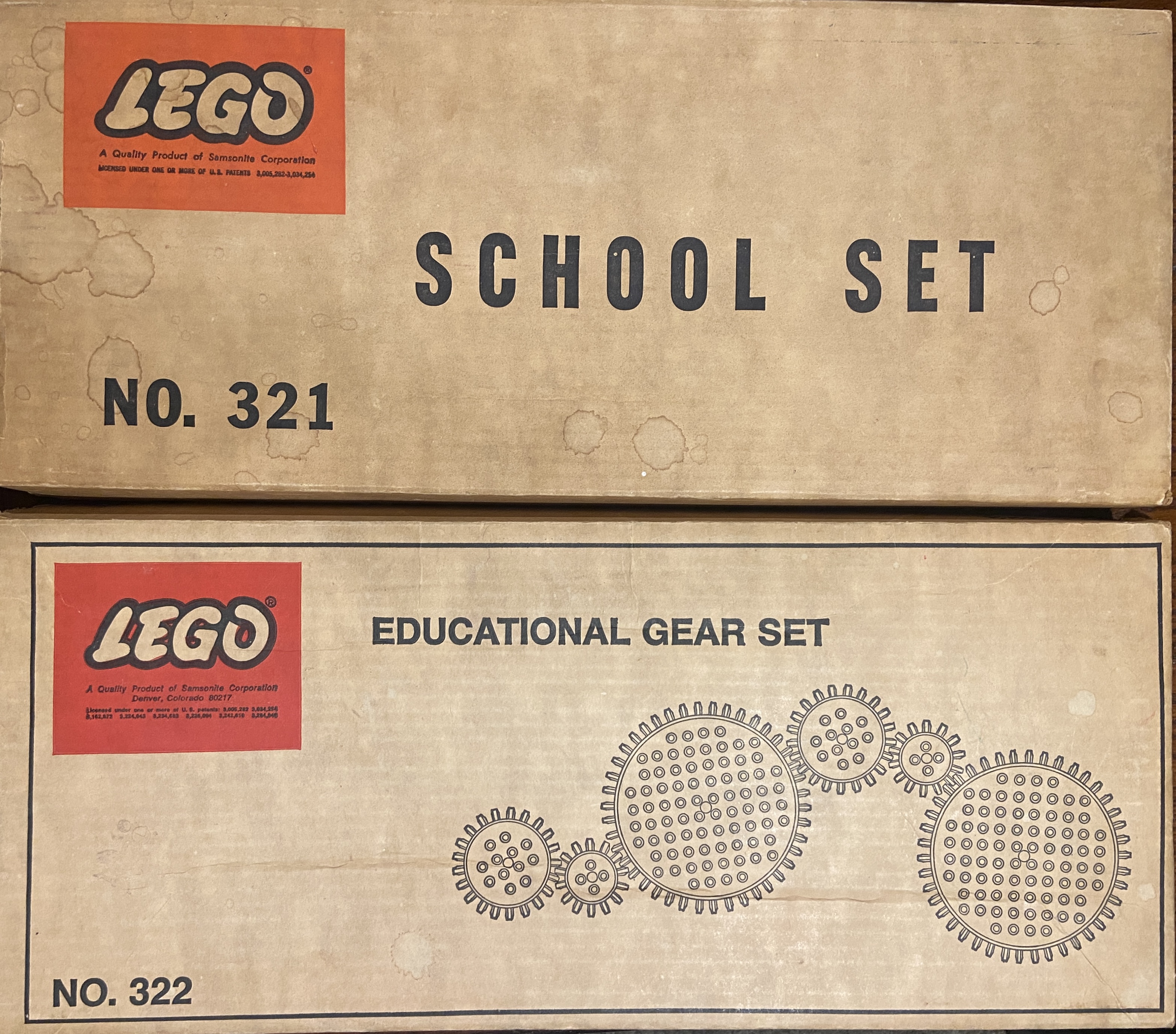
But that's not the greatest discovery to emerge from this haul—you may be surprised. Because I've seen everything LEGO Samsonite, and even I was immensely surprised by something so unassuming.
835 Advanced Builder's Set x2
So I was on Mercari and stumbled upon a listing for this 1970+ plain box 835 for $30:
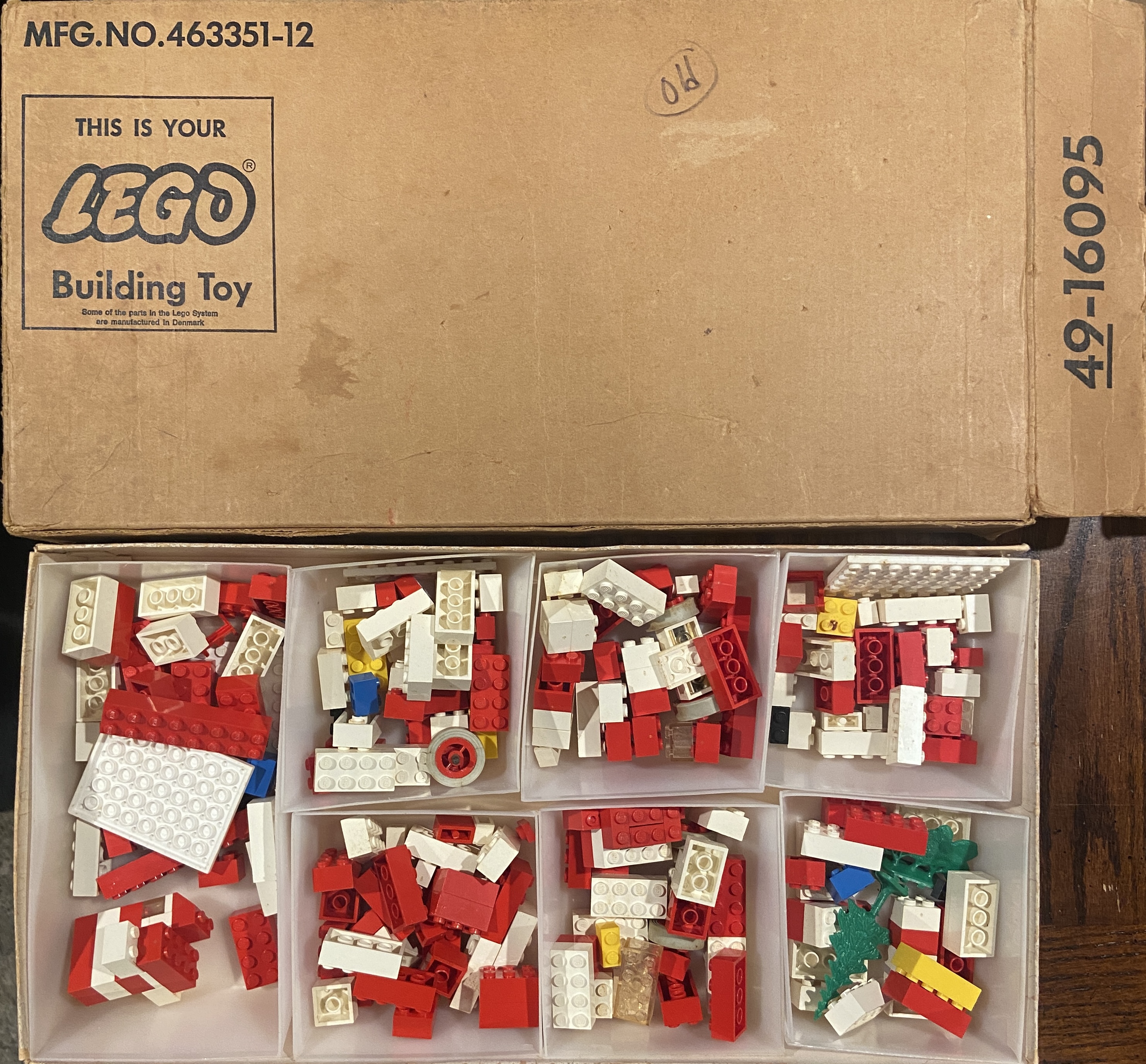
Which I'm not a completionist(in that I need to own every possible variant), but I had some questions about this variant in particular that I thought this might help to answer, identifying which season this set belongs to (1970 or 1971), which would be vital in determining if this was truly available in 1970 or not. I've not yet concluded my findings, but it looks like it belongs to 1970.
Unfortunately it was missing the instruction pamphlet, but I had seen this listing on eBay a while ago:
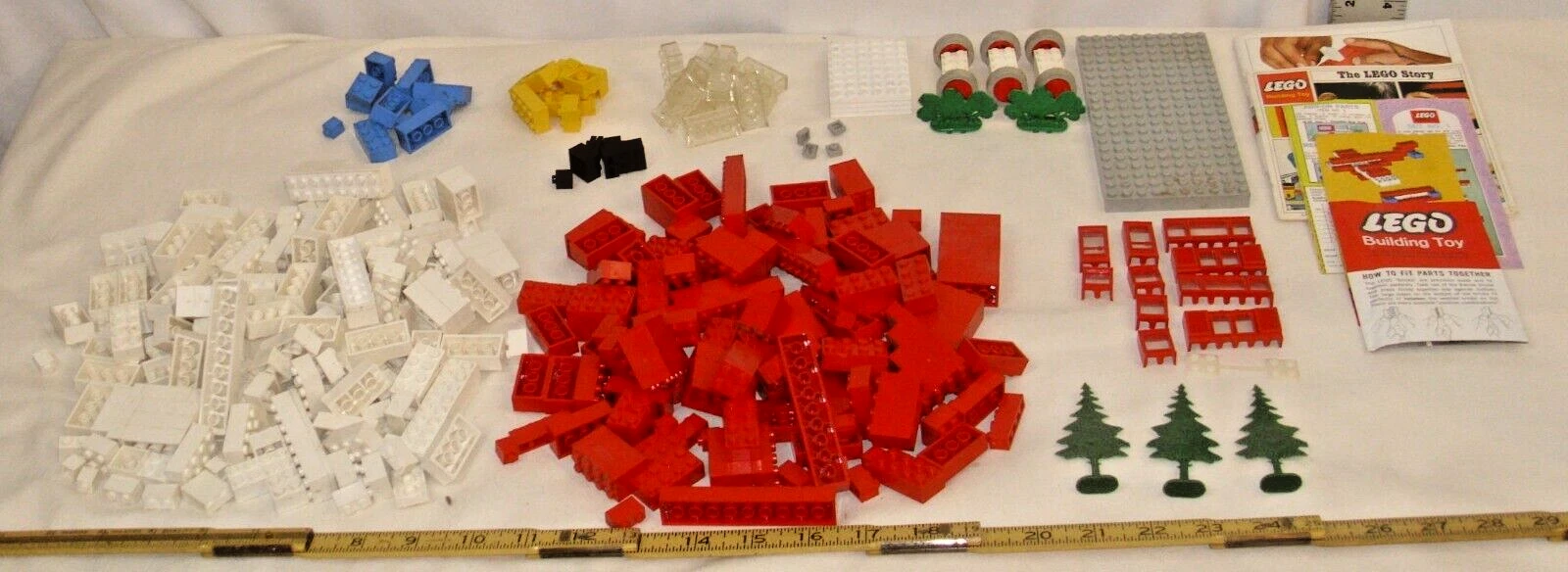
Which I recognized as a 1969 835 with no box (the year identified via the LEGO Story idea book, with a 1968-69 Kraft set mixed in. The set identified via the trees, which most basic LEGO kits did not include), meaning I could have the proper manual for the 1970 copy. Remember, I own a 1971 copy of the 835 in the colorful box:
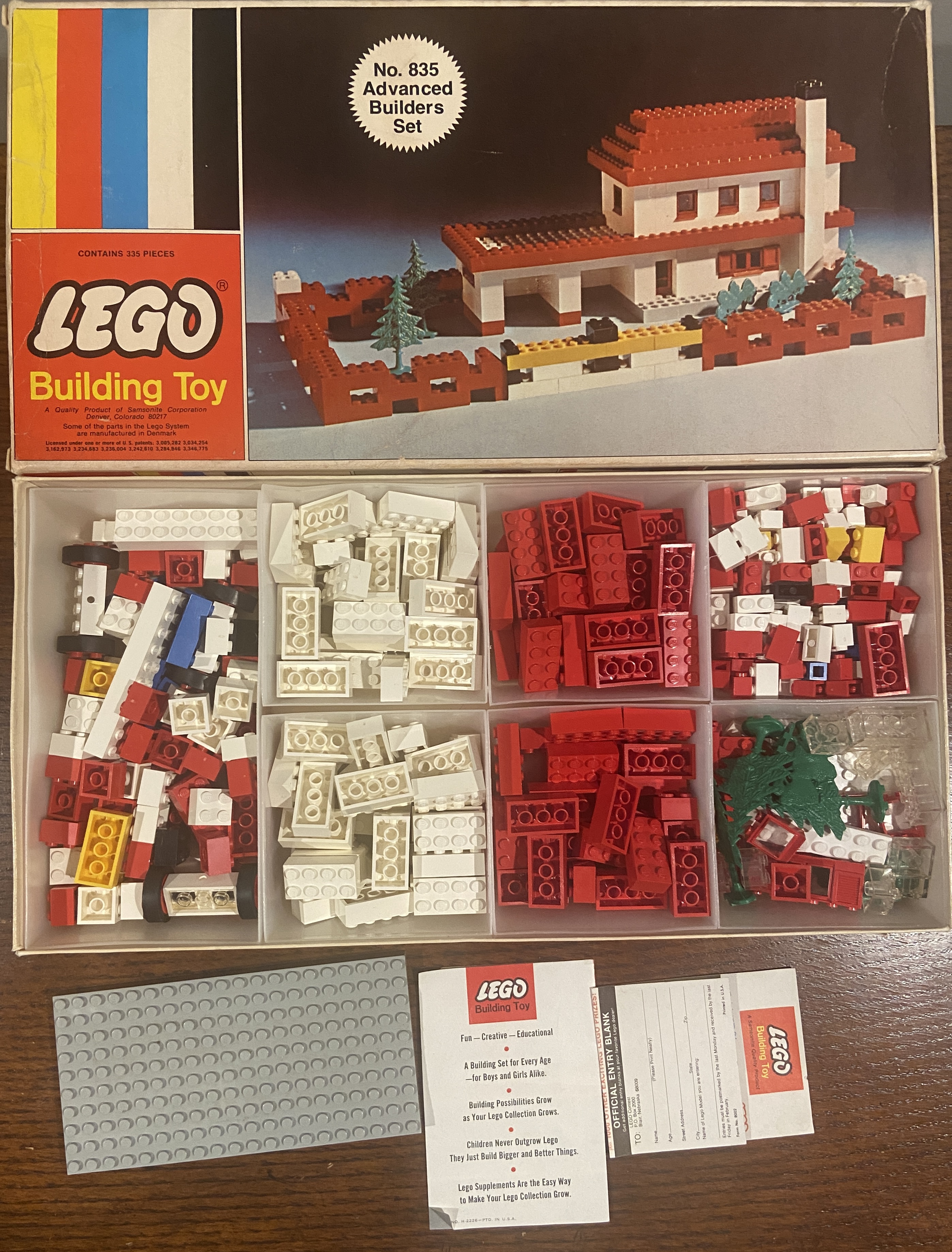
And it uses the instruction manual that definitively dates to 1966 via the form number:
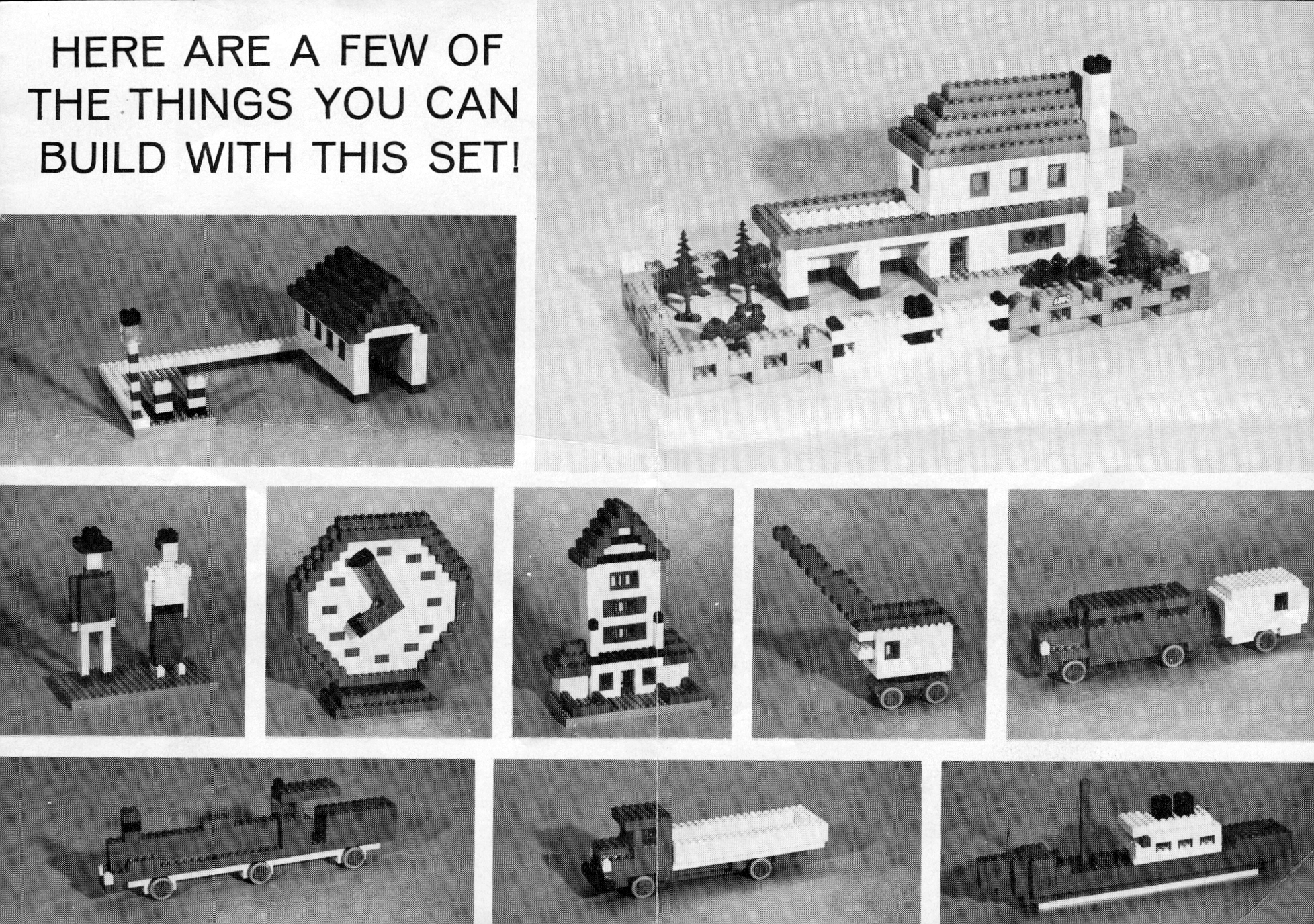
Which logically implies that from 1966 to 1971, the 324, 335, and 835 all used the same manual.
But my confusion led me down the incorrect path.
When I finally got the package, the manual had a form number dating it to 1968, which surprised me. Compare this with the earlier, known instruction sheet:
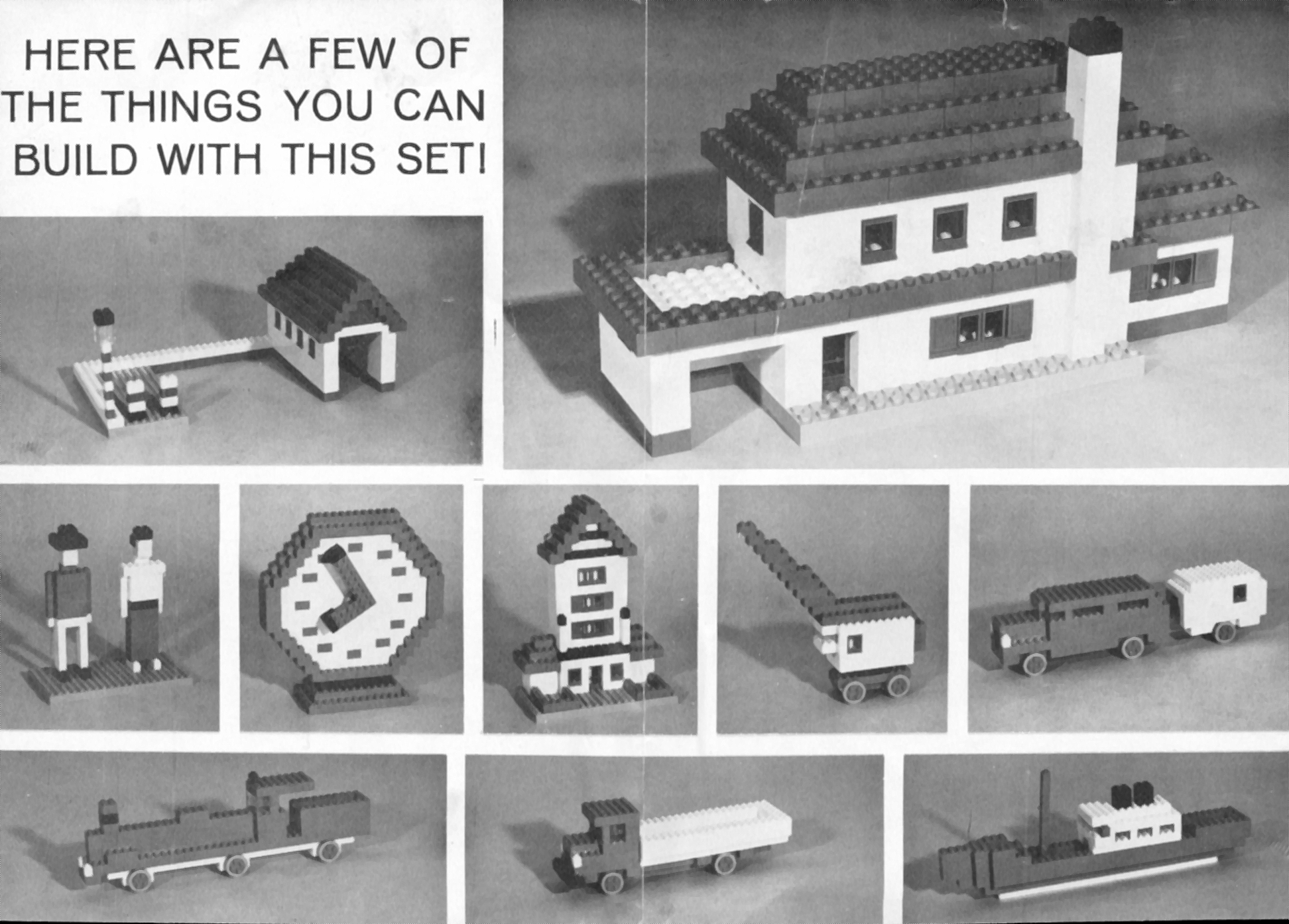
So at first, I was confused. I assumed for some bizarre reason, from at least 1968-69, the 335 used a slightly different manual with a modified house and no fence/trees. What was weird was that because the lot had a near complete/untainted 835, we could see the assortment hadn't changed at all. So I didn't really know why this was updated.
A month later, in early 2026, I randomly came to a realization via several connecting points in my mind. Samsonite was known to pack incorrect paperwork between Sears sets (whether by accident, substitution, whathaveyou), this strange instruction sheet appears in 1968 (the same year that the 326 Suburban Set released at Wards (in the plain box)), and I'd been working on Patterns with Exclusive/Catalog Sets, which revealed that the 324/335/835 and the 326 were both based on the 285 Basic Set's inventory.
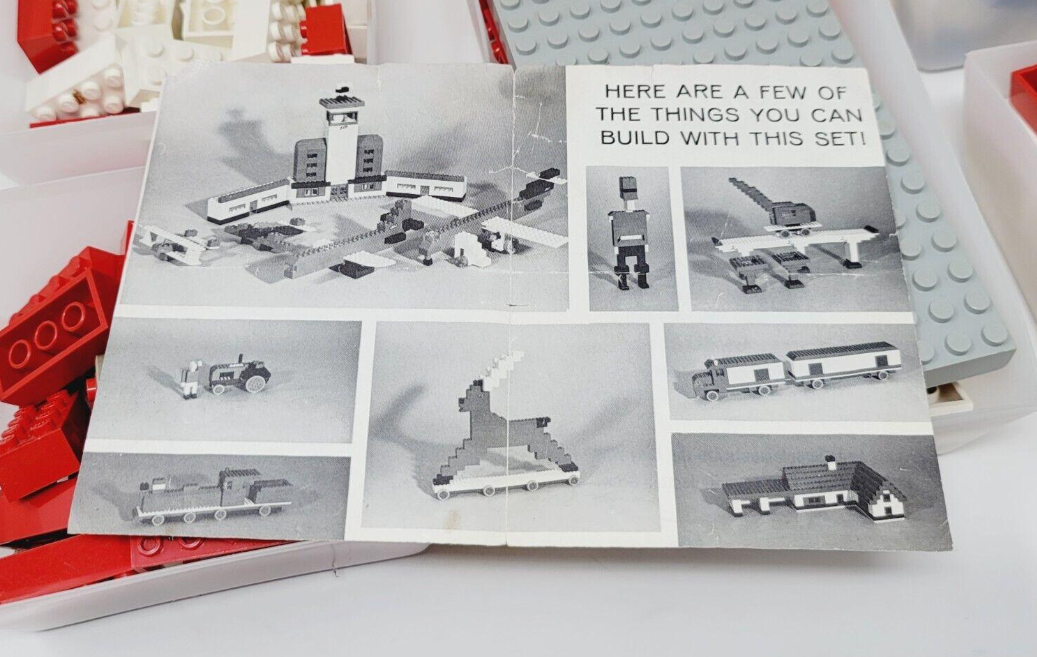
So the instruction sheet is actually the instruction sheet for the 326 Suburban Set, as can be seen in the 1967 Wards catalog, which to my knowledge is the only appearance of this house model:
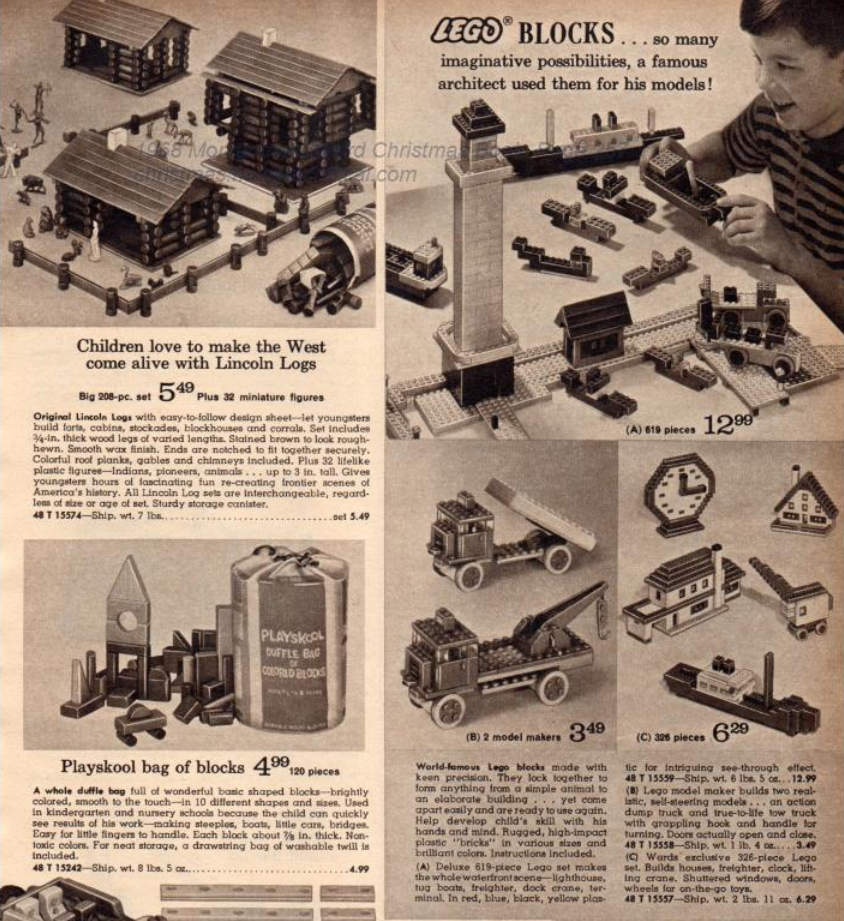
Just for some reason, it was packed into an 835.
My biggest question at this point is when did the 835's colorful box release? Now that we know the instructions are for the 326 and NOT the 835, you may think we're out of leads. But the plain box version of the set gives away the answer.
It is not a simple "one was sold in the store, and one was sold for catalog sales". There's immense nuance and confusion for Sears sets, with catalog sales in at least 1971 using colorful boxes to fulfill orders, as this 244 has the Sears catalog number on the box:
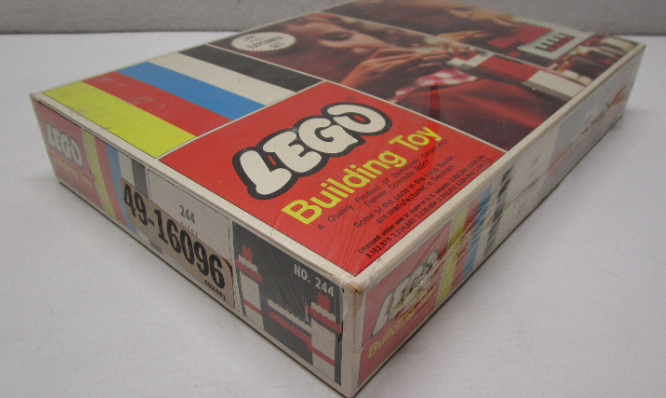
BUT notice that the plain box 324/335/835 for 1970 uses the 335 number, not the 835 number:
Also remember the above update cannot predate the 1970 season, as the catalog numbers for Sears were updated in 1969. Thus, the colorful box 835 released in 1971, and was used in store and possibly for catalog sales. If it predated 1971, the 1970 plain box would've used the updated set number.
So for the 1970 season, the plain box with the new catalog number was used, while for the 1971 season, the colorful box was possibly used while also being sold in store. That would help explain rarity, as the plain box 1970+ version is much more rare than the colorful box version (which is already a rare set). I prefer that timeline more, as it matches what we've seen with other Sears sets. It also better explains why the 151-piece set (a set in production as long as the 324/335/835) never had a colorful box variant, as it was last produced in 1970. Thus, implying the colorful box update happened in 1971.
But for now, I have all three known variants of the 835's box, but of course I believe more are likely to exist for 1968-1969:
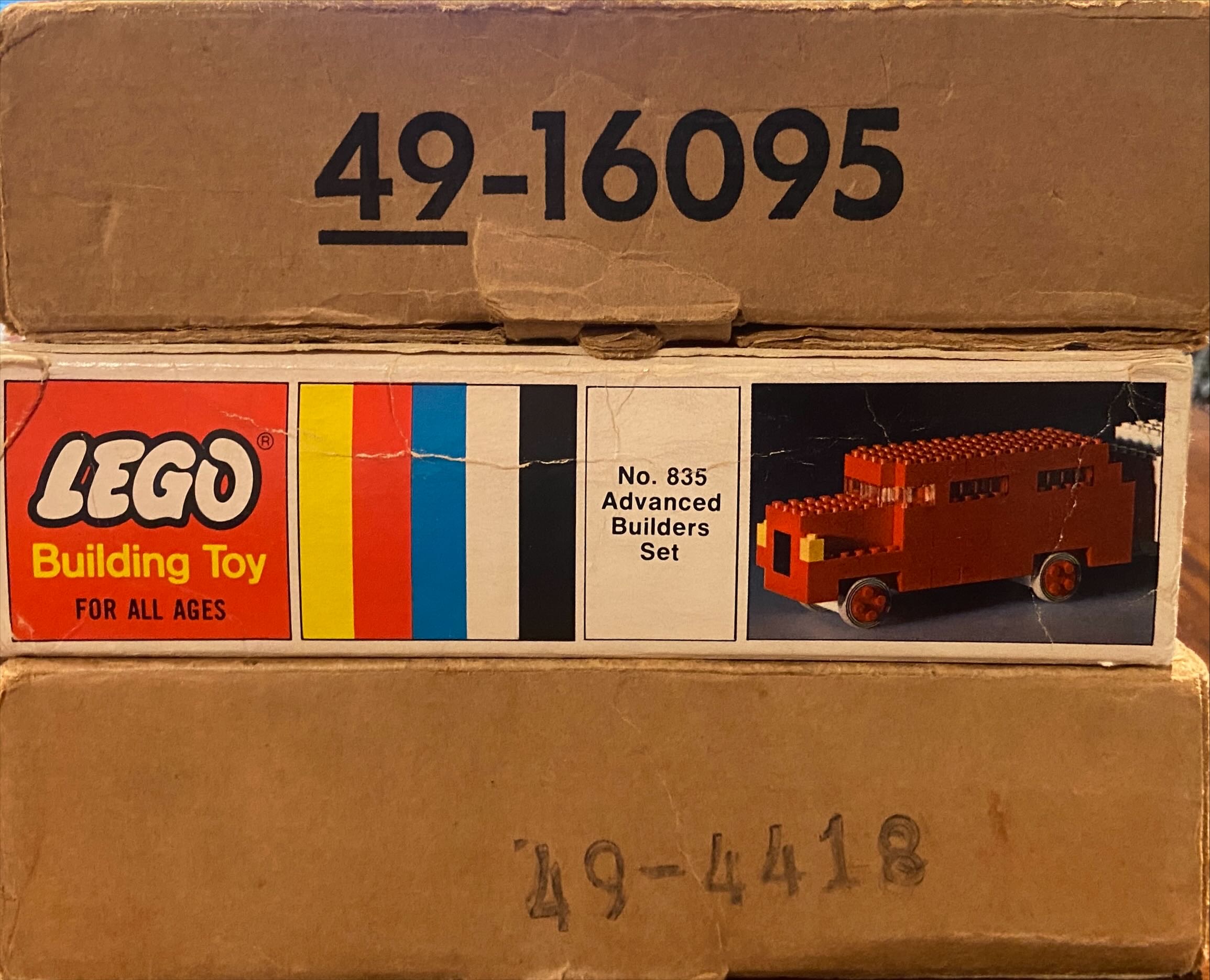
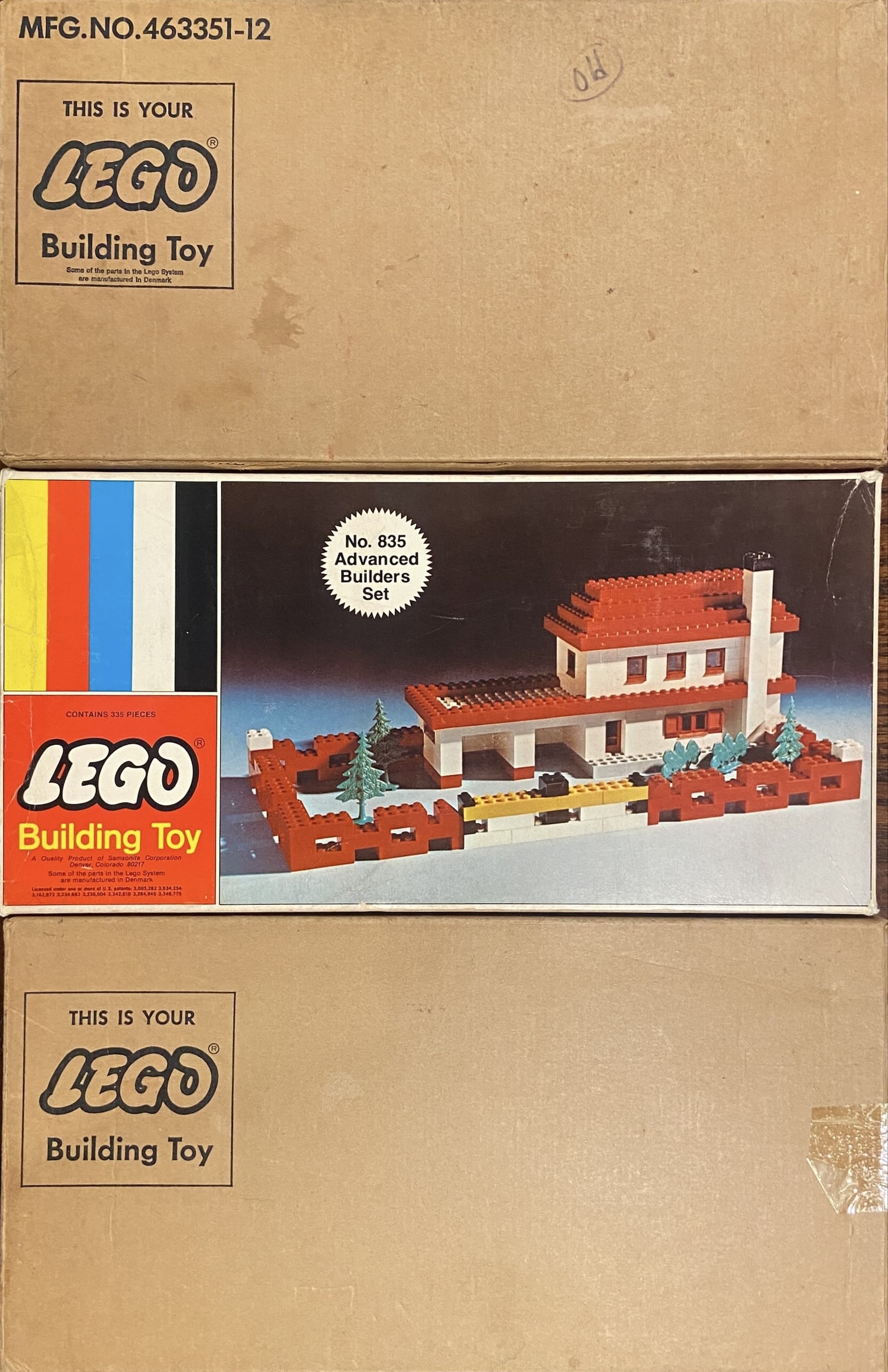
Which I'd also like to take a moment to note the dashed number '12' compared to previous Sears sets. We have no other examples of this being the case. Take for example this 1970 copy of the 536:
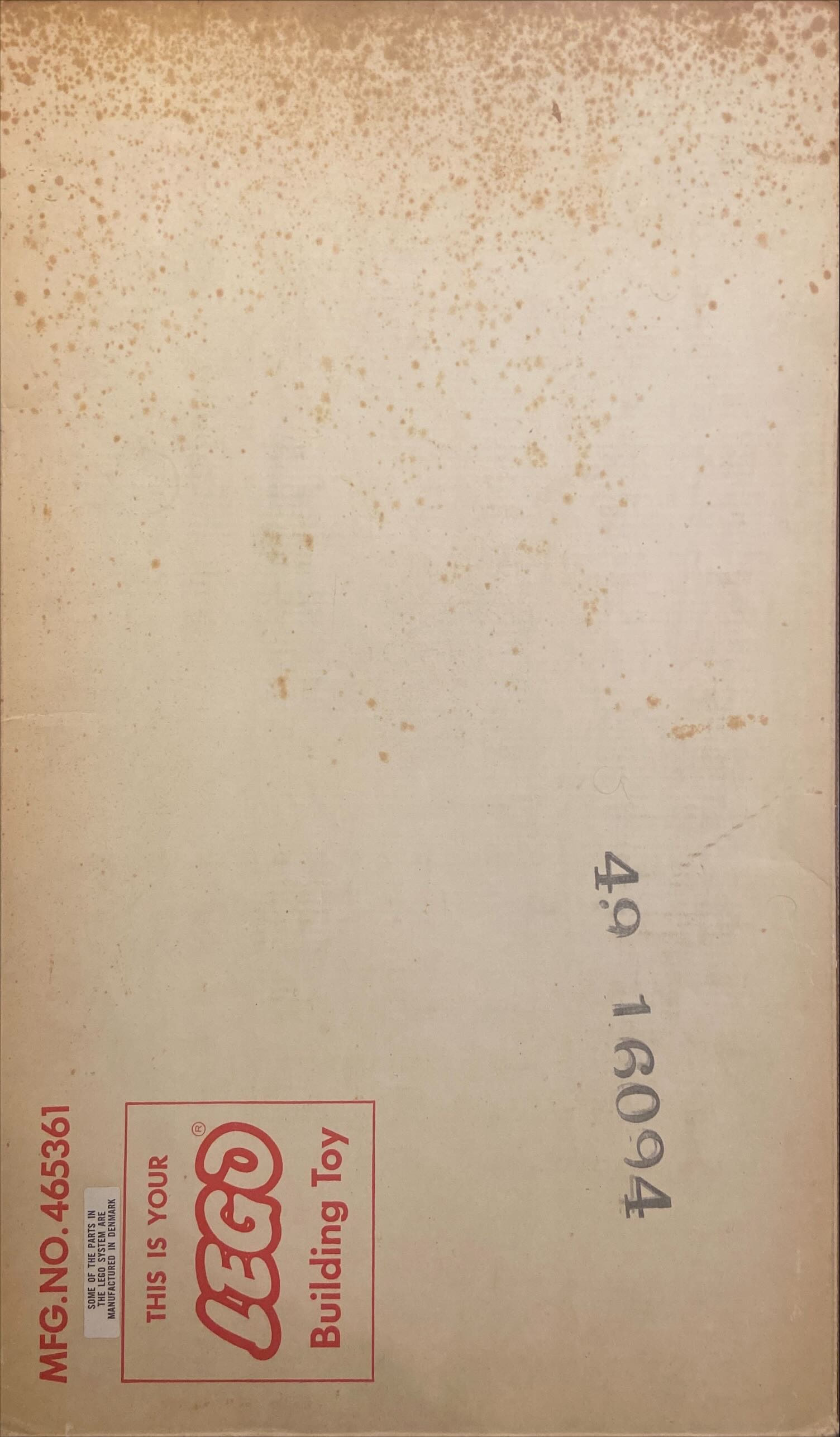
So I'm not exactly sure what that is meant to convey.
Along with these discoveries, I've made minor tweaks to the site. Take for example the 536 box above. If you click on the image, you'll have access to other boxes/sides of the same set (depending on the set), which I find very useful and intuitive. It's much easier to find the side of the box or other variants without having to go to the site's gallery every time. It isn't perfect, as I've not yet addressed duplicate set numbers (i.e. 102), but it's an edge case for an otherwise beneficial system.
I've also got a ton of Canadian materials on the way, so that'll likely be our next update. It will require the creation of a new page, reorganization of the Samsonite page as it is, as well as modifications to how the Gallery and Books pages work/filter, as I'd like to keep the site as organized as possible while still making everything accessible.
On that note, I also am going to clean up set articles, as instead of having the links, notes, asides, etc. visible, they will be accessible through a dropdown such as this:
-- The feature is depreciated and I've returned to remove it, set entries were more akin to articles originally, but I've since moved to a catalog sort of model, though I've hybridized it such that no information (or attribution for claims) has been lost --
Which I find to be a much nicer experience from a user's perspective, as rather than having to click through each link to see each source, they are accessible through just one click and easily hidden.
___